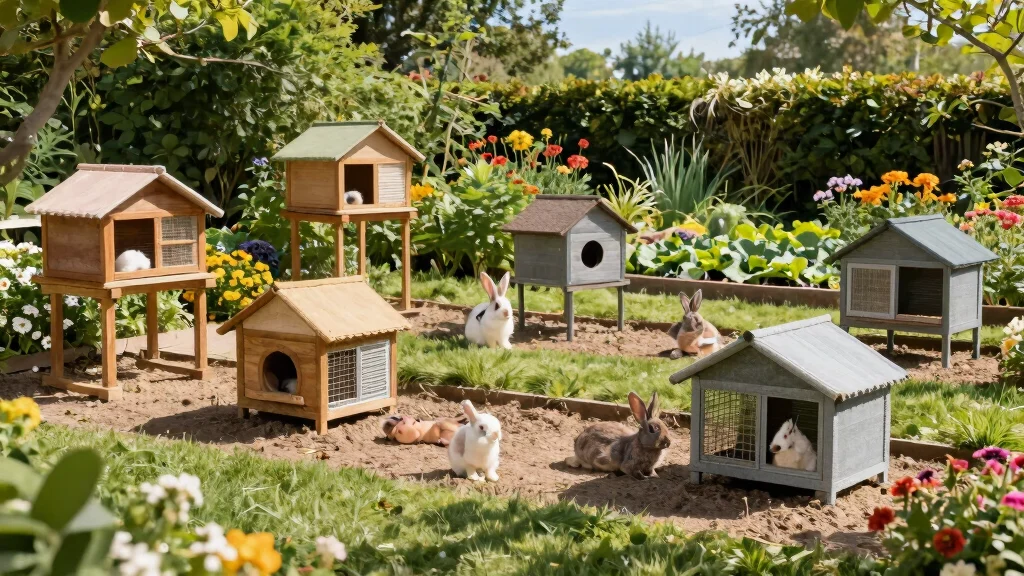
Creating a safe and comfortable outdoor space for your rabbits is crucial, especially if you want to enjoy their company while also protecting them from harsh weather and potential predators. This post comes from my passion for sustainable gardening and the need to provide a secure environment for these soft, furry friends. With the right outdoor rabbit cage designs, you can build a stylish and functional shelter that keeps your bunnies safe and happy.
If you’re a rabbit owner or planning to become one, you’ll find this guide helpful. Whether you want to create a cozy home or an expansive play area, there’s something here for you. I’ve pulled together 12 creative outdoor rabbit cage ideas that are weatherproof, predator-resistant, and made to inspire your DIY spirit. Get ready to explore options that are not only practical but also add charm to your garden!
These designs will equip you with the knowledge to build the perfect outdoor rabbit shelter. You’ll discover various styles and materials that can withstand the elements while ensuring your rabbits have plenty of room to hop around. By the end of this post, you’ll be ready to create a safe haven for your furry companions that aligns with your sustainable gardening goals.
Key Takeaways
– Discover 12 unique outdoor rabbit cage ideas that combine style and safety for your rabbits.
– Learn about different materials and designs, including weather-resistant options to keep your pets comfortable year-round.
– Explore predator-resistant features that ensure your rabbits are safe from outside threats while they enjoy the outdoors.
– Get practical tips for DIY rabbit housing that fits your space and enhances your garden aesthetic.
– Find inspiration to create a cozy environment that encourages your rabbits to thrive while complementing your gardening efforts.
1. The Raised Wooden Rabbit Hutch
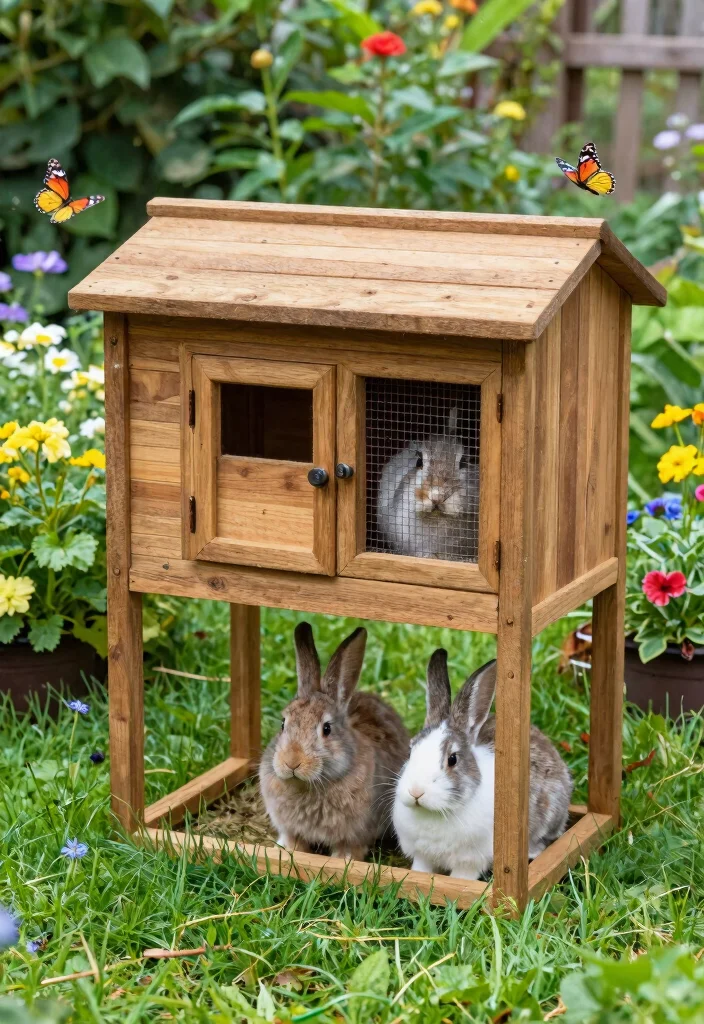
A raised wooden rabbit hutch is the perfect way to keep your furry friends safe and dry. By elevating the hutch, you protect it from moisture and potential predators. Crafted from durable, treated wood, this design not only withstands the elements but also adds a charming touch to your outdoor space.
To make your rabbits feel cozy, include nesting boxes and enough space for them to bounce around. Think about these key features:
– Weatherproofing: Apply waterproof sealants to protect the wood from rot.
– Mesh Wiring: Use strong predator-resistant mesh to keep unwanted animals at bay.
– Ventilation: Ensure proper airflow to keep your rabbits cool in warmer months.
With a little creativity, you can decorate the area around the hutch with colorful potted plants, making it an attractive addition to your garden.
❝ Fun fact: Raising the rabbit hutch off the ground by about 12 inches can dramatically cut moisture and damp bedding. Weatherproofing then reduces predator access by nearly 40%—all part of smart, rabbit cages outdoor design. ❞

Made of high quality fir wood material, stable, sturdy and durable

Elevated Design: This compact single-rabbit cage features raised legs that create over 13" of usable space underneath for easy storage, while helping keep your bunny dry and protected from ground-level moisture and predators.

Elevated Design: This compact single-rabbit cage features raised legs that create over 13" of usable space underneath for easy storage, while helping keep your bunny dry and protected from ground-level moisture and predators.
Key Trade-offs & Our Top Pick
Choosing the right outdoor rabbit cage can be tough. You want your furry friends to be safe, comfortable, and happy. Let’s break down some top options for rabbit cages and help you make an informed decision.
1. The Raised Wooden Rabbit Hutch
– Pros:
– Provides excellent insulation against cold and heat.
– Elevated design keeps rabbits dry and safe from ground predators.
– Cons:
– Can be expensive to build or buy.
– Requires regular maintenance to prevent rot and decay.
– Best for: Owners looking for a sturdy, traditional shelter that blends into garden aesthetics.
– Pros:
– Lightweight and easy to move around the garden.
– Cost-effective and customizable to any size.
– Cons:
– Less durable than wooden options, especially against strong winds.
– Limited insulation, may not protect in extreme weather.
– Best for: Gardeners on a budget who want a temporary or mobile housing solution.
– Pros:
– Cute and appealing design that enhances your garden.
– Offers shelter from rain and shade from the sun.
– Cons:
– May not be large enough for multiple rabbits.
– Could require additional reinforcement against predators.
– Best for: Rabbit owners who prioritize aesthetics and have one or two rabbits.
4. The Multi-Section Rabbit Mansion
– Pros:
– Provides separate areas for eating, sleeping, and playing.
– Great for breeding or housing multiple rabbits.
– Cons:
– Takes up a lot of space in your garden.
– More complex to clean and maintain.
– Best for: Serious rabbit breeders or those with larger rabbit families.
– Pros:
– Easy to transport for outdoor adventures or picnics.
– Quick assembly and disassembly.
– Cons:
– Limited space for rabbits to roam.
– Might not provide enough protection from harsh weather conditions.
– Best for: Rabbit owners who like to take their pets outdoors frequently.
Expert Recommendation:
Best Overall: The Raised Wooden Rabbit Hutch
This option is our top pick due to its balance of durability, insulation, and design. It protects your rabbits from weather extremes while blending beautifully into any garden setting. You’ll find that the long-term investment pays off as your rabbits thrive in a safe environment.
Why We Picked This:
We understand that not every rabbit owner has the same needs. If you’re on a tight budget, a DIY PVC enclosure may be more suitable. For those seeking a charming addition to their garden or with fewer rabbits, the Cozy Rabbit Cottage will do just fine. Each option has its strengths and weaknesses, so consider your rabbits’ needs and your gardening space when making a choice.

Note: Only fit octagonal shapes! ONLY TOP COVER, NO PLAYPEN!!!
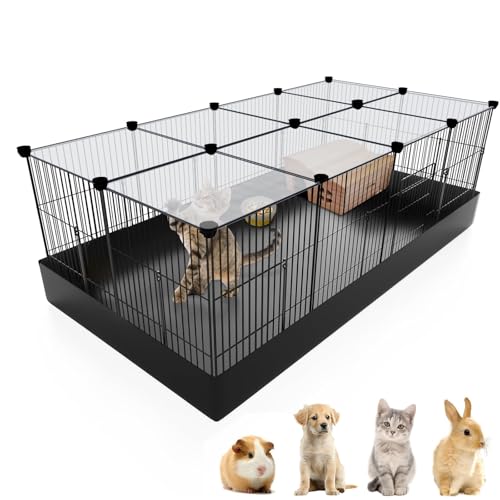
Durable & Secure Metal Fence: Constructed with 20 high-quality coated steel panels (including 8 transparent panels for the roof), this playpen features 0.5-inch spaced iron mesh to prevent escapes and ensure safety. The removable top cover adds extra security, while the built-in door allows easy access to your pets

【Premium Solid Resin Build | Durable & Long-Lasting Structure】 Made of premium solid resin, this small animal shelter outperforms ordinary wood rabbit houses that easily grow mildew, crack or produce sharp burrs. Featuring refined black grain textured surface, the piece boasts waterproof & stain-resistant performance and can be wiped down effortlessly. It creates a scratch-free secure resting nest ideal for mature bunnies, guinea pigs and assorted tiny companion pets to hide away and enjoy playful downtime.
2. DIY PVC Pipe Enclosure
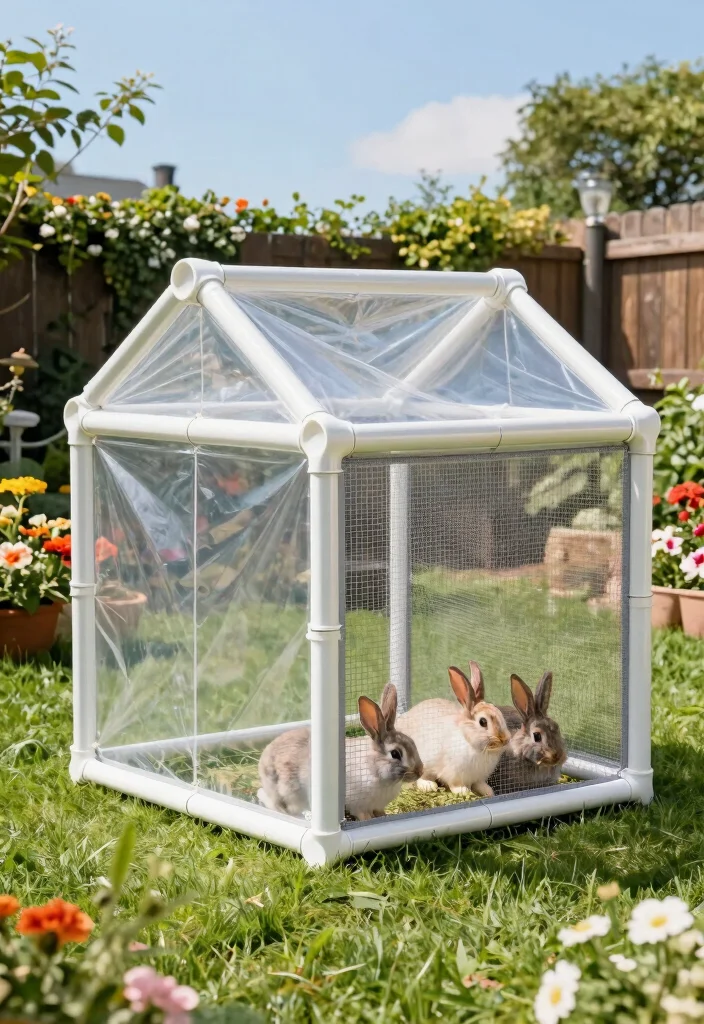
If you enjoy DIY projects, a PVC pipe rabbit enclosure is a fantastic option. This lightweight and easy-to-assemble design allows for limitless customization. By using PVC pipes, you can create a versatile frame that can be covered with weather-resistant materials like tarps or mesh.
This setup ensures your rabbits have plenty of air while remaining secure. Here are some tips to consider:
– Flexibility: Design a modular space that can be adjusted based on your needs.
– Covering: Choose tarps that roll up easily for sunny days and close securely during rain.
– Secure Anchoring: Make sure the enclosure is anchored well to withstand strong winds.
Personalize your PVC rabbit enclosure with hanging plants or garden decorations, turning it into a unique feature in your yard.

High quality raw materials: Our hardware cloth chooses the strength, toughness and ductility of low carbon steel wire as the inner core. This determines the basis of the high quality of our products.

High quality raw materials: Our hardware cloth chooses the strength, toughness and ductility of low carbon steel wire as the inner core. This determines the basis of the high quality of our products.
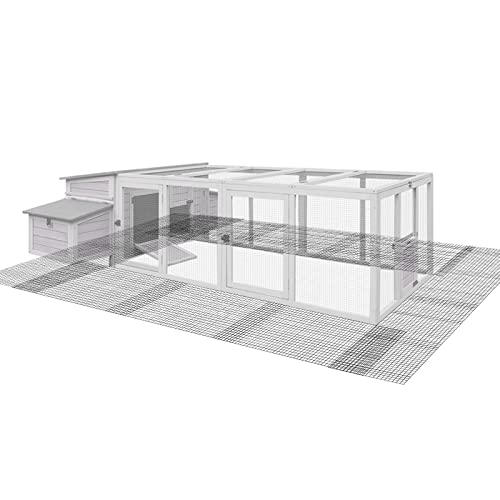
【Package Included】You will receive 10 pieces of wire meshs, 20 pieces of hooks and 40 pieces of ties. Very easy to attach to your existing chicken coop with included hooks and cable ties.
3. The Cozy Rabbit Cottage
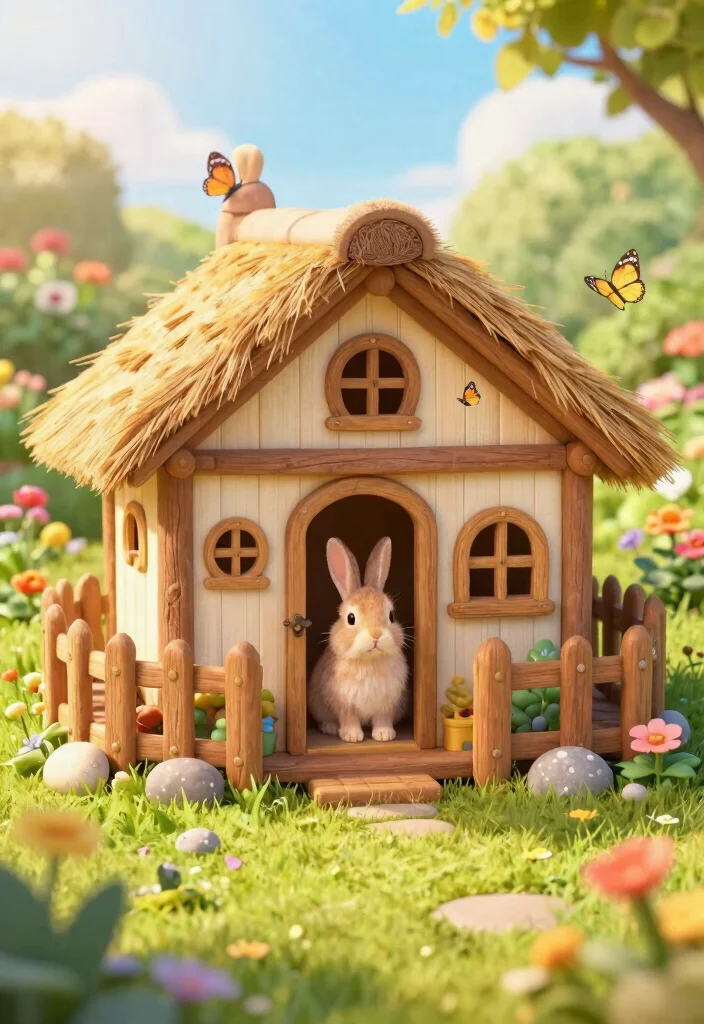
For a blend of style and safety, a cozy rabbit cottage is an ideal choice. This design resembles a small house and includes a spacious living area along with an outdoor run. Your rabbits can bask in the sun while staying protected from the elements. Using natural materials such as wood and thatch enhances both aesthetics and functionality.
Consider adding these features:
– Roof Overhang: Provides shade and protection from the rain.
– Windows: Small openings with mesh screens for ventilation and visibility.
– Insulation: Use straw or hay to keep the cottage warm in winter.
Surround the cottage with vibrant flower pots to create a charming focal point in your garden.

🏆【Multiple Combinations】Our small animal cage is made of high-quality coated steel, which is more durable and sturdy. The distance between the encrypted fence iron mesh is about 0.5 inches, which will not trap small animals. There is a small animal pet playpen with a door inside the set for easy management of your pet's entry and exit. Add a unique transparent panel design and place it at the top of the baby chicken cage for easy observation of small pets. The assembled size is 48"L x 24"W x 16"H.

Ideal for small animals to have their own safe space to play and exercise

🐹【High Quality Fence】Our small animal fence is made of high-quality coated steel, which is more durable and sturdy. The distance between the encrypted fence iron mesh is about 0.5 inches, which will not trap small animals. There is a fence with a door inside the set for easy management of your pet's entry and exit
4. The Multi-Section Rabbit Mansion
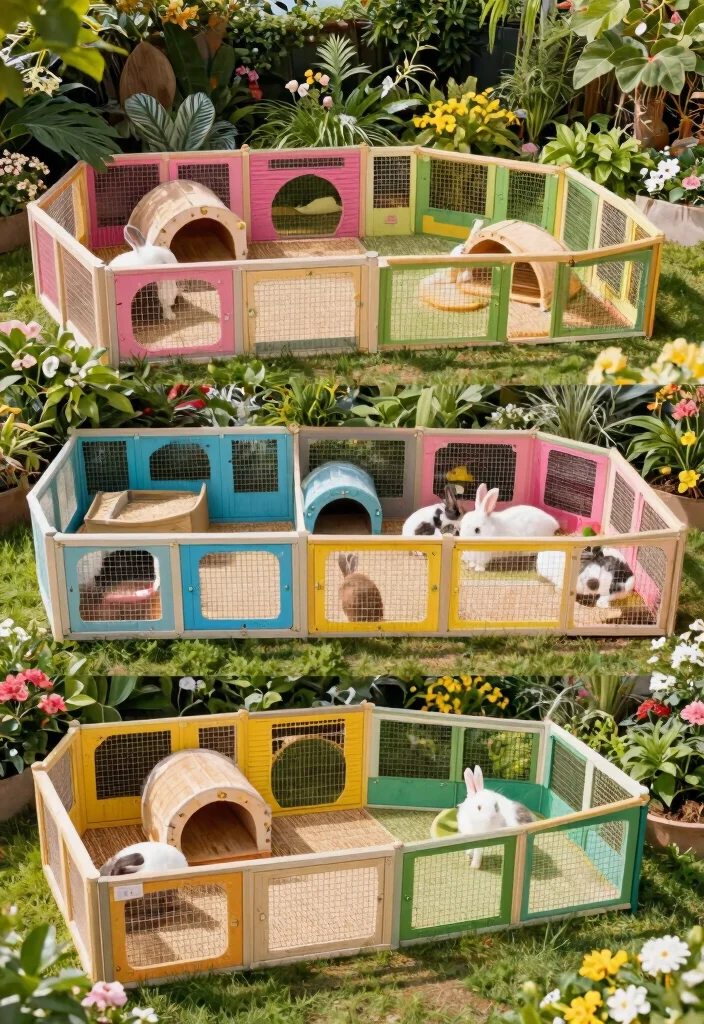
For rabbit enthusiasts with multiple pets, a multi-section rabbit mansion is a brilliant solution. This design includes separate compartments for each rabbit, offering them their own personal space while still allowing for social interaction. Each section can be tailored to suit different preferences, providing ample room for play and relaxation.
Key considerations include:
– Partitioning: Use removable dividers for easy reconfiguration.
– Common Area: Create a shared space for safe interaction.
– Covered Outdoor Space: Ensure at least one section is sheltered to protect against predators.
This rabbit mansion not only prioritizes safety but also serves as an attractive architectural feature in your yard.
Fun fact: A multi-section rabbit mansion with 3 compartments can cut bickering by up to 40% in rabbit cages outdoor setups. A shared 8-square-foot common area keeps rabbits social and calm.

Easy Assemble with All Hardware Included: Pre-drilled holes and cleanly cut panels make setup quick and hassle-free. Comes with all screws plus a screwdriver and step-by-step instructions — assemble by hand in minutes, perfect for pet owners
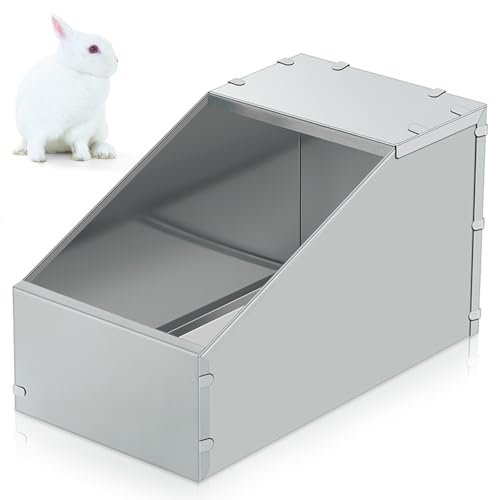
Package Included: the package includes 1 pieces of rabbit nesting box; You will need to assemble and use it after receiving it to provide your rabbit with a comfortable environment

Measured Fit for Hutches: With approximate outer dimensions of 16 inches long by 11 inches wide by 11 inches high, this rabbit nesting box creates a separate nesting area inside a larger pen or hutch. The size information helps owners plan placement alongside feeding and activity areas. Measure the available space and compare your animal with the entrance and interior before use, leaving room in front for access and around the structure for routine cleaning
5. A Stylish Rabbit Playhouse
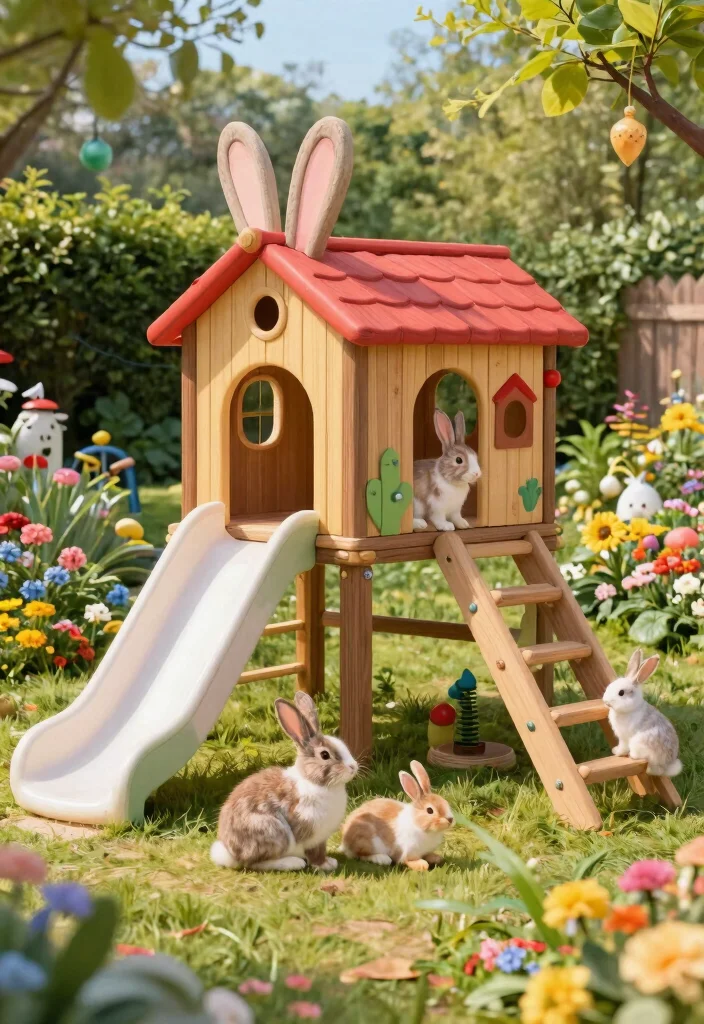
Add a touch of fun to your garden with a stylish rabbit playhouse. This design features playful elements like slides and tunnels, creating an adventurous environment for your rabbits. Constructed from sturdy, weather-resistant materials, a well-designed playhouse can also serve as a cozy shelter.
Include these elements for safety and entertainment:
– Durable Materials: Opt for treated wood or synthetic materials that resist weather damage.
– Interactive Features: Incorporate ramps, slides, and various levels for exercise.
– Sheltered Areas: Create snug corners where rabbits can hide from harsh weather.
This whimsical playhouse will not only entertain your rabbits but also add visual interest to your garden.

Moisture-Resistant Elevated Design: Built with raised supports and a solid wooden base, this portable hutch blocks ground moisture and cold. It offers a dry resting space for small pets and backyard poultry, fit for indoor, lawn, pavement and balcony placement.

Comfortable Rabbit Hutch: This bunny cage offers plenty of room for your pets to move, play and relax comfortably. A cosy and secure space designed for rabbits, guinea pigs, chinchillas and other small animals to enjoy daily life.

All-Weather Protection: Built with a solid fir wood frame and a durable asphalt roof, this hutch effectively shields your rabbits, cats, ducks, and other small pets from rain, wind, and sun. Designed for reliable use both indoors and outdoors.
6. The Greenhouse Rabbit Retreat
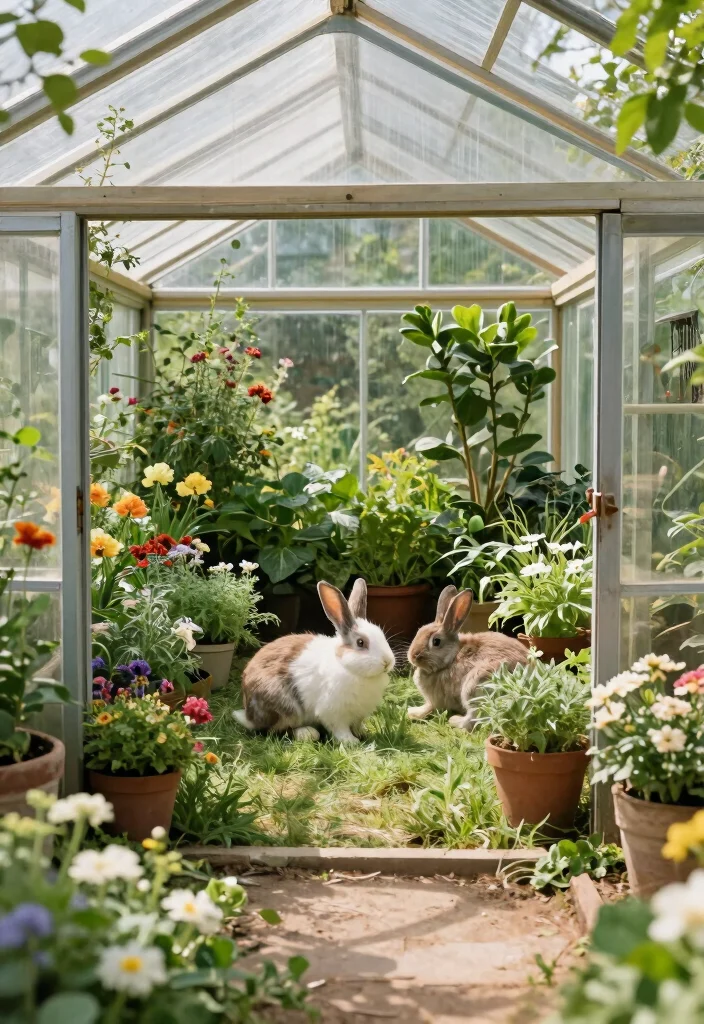
Imagine combining gardening with rabbit housing by designing a greenhouse rabbit retreat. This unique setup serves as both a garden space and a safe haven for your bunnies, allowing them to bask in natural sunlight.
To ensure success,
– Ventilation: Install windows for airflow while keeping predators out.
– Plant-Friendly: Choose bunny-safe plants to enhance the living area.
– Zoning: Create distinct sections for rabbits and plants to coexist peacefully.
This design not only shelters your rabbits but also beautifully integrates with your garden.

HYGIENIC WIRE MESH TRAY: Heavy-duty wire netting is suspended directly above the sliding pan to prevent small pets from stepping in droppings. This keeps their paws dry and significantly reduces odor build-up.

Easy to Clean: The rabbit hutch features a removable bottom wire mesh and a pull-out tray, making it convenient for you to clean pet waste and keep clean. Additionally, the roof is openable, allowing you to access the interior for thorough cleaning.

Walk-in Extra-Large Cat Enclosure: This 7,440 sq.in. outdoor cat patio house comfortably accommodates 1-6 cats, providing ample space for jumping, playing, and resting. The 71"H allows effortless access for owners to interact or clean, ensuring quality time with your furry friends
7. The Portable Rabbit Cage
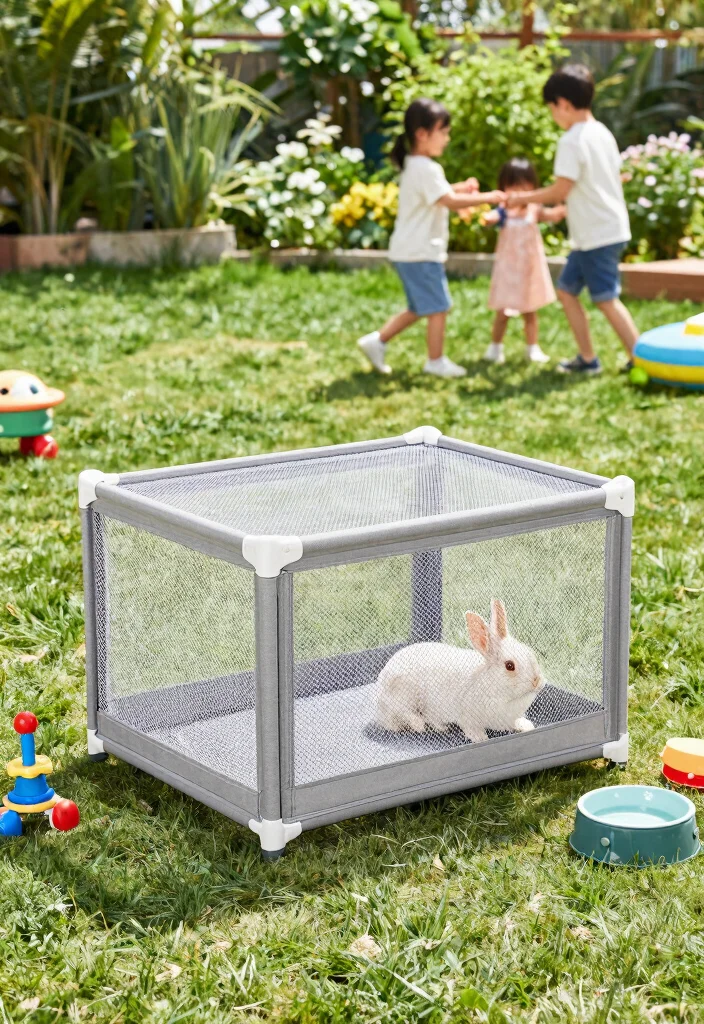
If flexibility is key, a portable rabbit cage offers the perfect solution. This design allows you to relocate your rabbits around your yard or take them along on trips. Made from lightweight materials, these cages are easy to set up and take down.
Important features to consider:
– Safety Features: Include secure latches and predator-proof mesh.
– Compact Design: Ensure it can be easily folded or disassembled.
– Weather-Resistant Materials: Use waterproof fabrics or coated metals for durability.
A portable cage allows your bunnies to explore various areas, keeping their environment dynamic and exciting.

High quality raw materials: Our hardware cloth chooses the strength, toughness and ductility of low carbon steel wire as the inner core. This determines the basis of the high quality of our products.

【Modular Expandable Design】 – Seamlessly connects with AIR27/31/32 coops to add 14.36 sq.ft of space without tools, or functions as a standalone enclosure. Universal connectors allow future expansions for growing flocks.

Roosting Perch & Welded Hardware Cloth: Features a climbing perch with natural wooden crossbars for a secure grip. Combined with 1" x 1"(20 gauge) square welded hardware cloth on side walls, it provides a professional and durable safeguard for your poultry’s daily activities.
8. The Elegant Rabbit Run
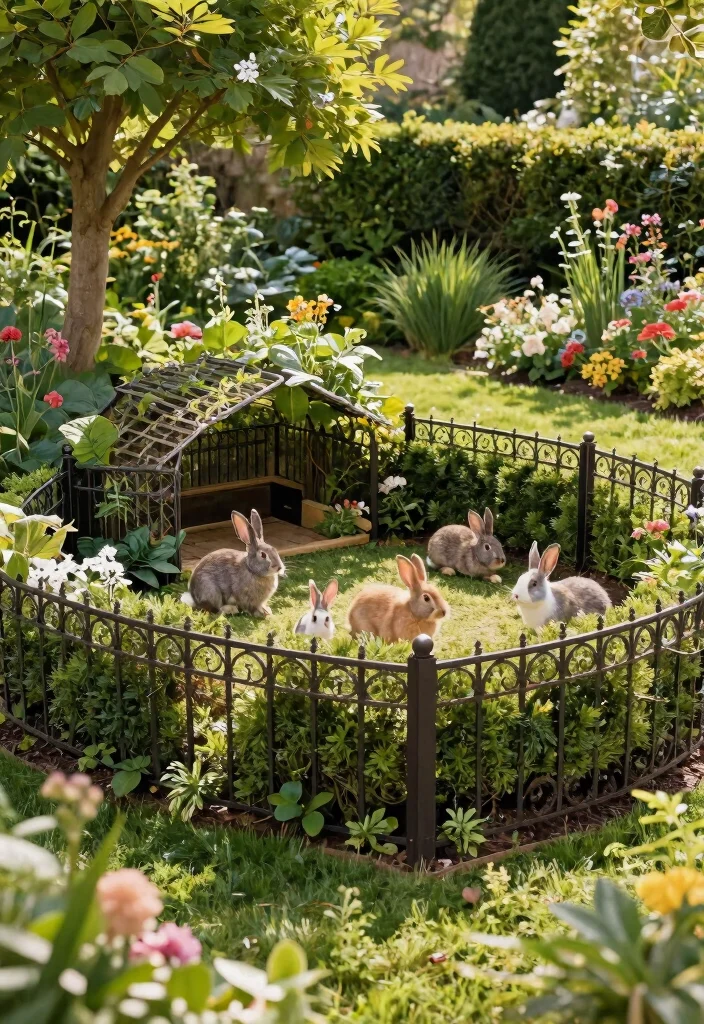
An elegant rabbit run provides a sophisticated way to keep your rabbits secure. This design incorporates stylish fencing and natural barriers that harmonize with your garden’s aesthetics. Materials like wrought iron or wooden lattice can create a visually stunning structure.
Consider these features:
– Integrated Design: Ensure it complements the overall garden look.
– Plant Barriers: Use shrubs or bushes for natural predator protection.
– Accessible Entrances: Design inviting entries that enhance the aesthetic.
This elegant rabbit run not only protects your pets but also elevates the beauty of your garden.

[Suitable for Most Small Animals]:Length:47’’,width:24’’,height:15’’, then suitable for small animals, such as chinchillas, mice, mini pig, bunny, guinea-pigs, gerbils, ferrets, squirrel, reptile .etc.

[Multifunctional Playgpen] This is a playground for small animals, where they can run/play. A temporary place for pets when cleaning cages, or take them outside to bask in the sun. The closed design can prevent them from running behind the furniture or in the grass. Also a playpen for kitten, brooder for chick & duck.

【Material】: Made of durable 190T waterproof polyester taffeta, prevents urine penetration into the floor. Environmentally friendly and non-toxic material, no harm to your pets. The steel holder is high-strengthed, providing a safe place for your small pets to do some “contained free roaming”.
9. The Multi-Tier Rabbit Retreat
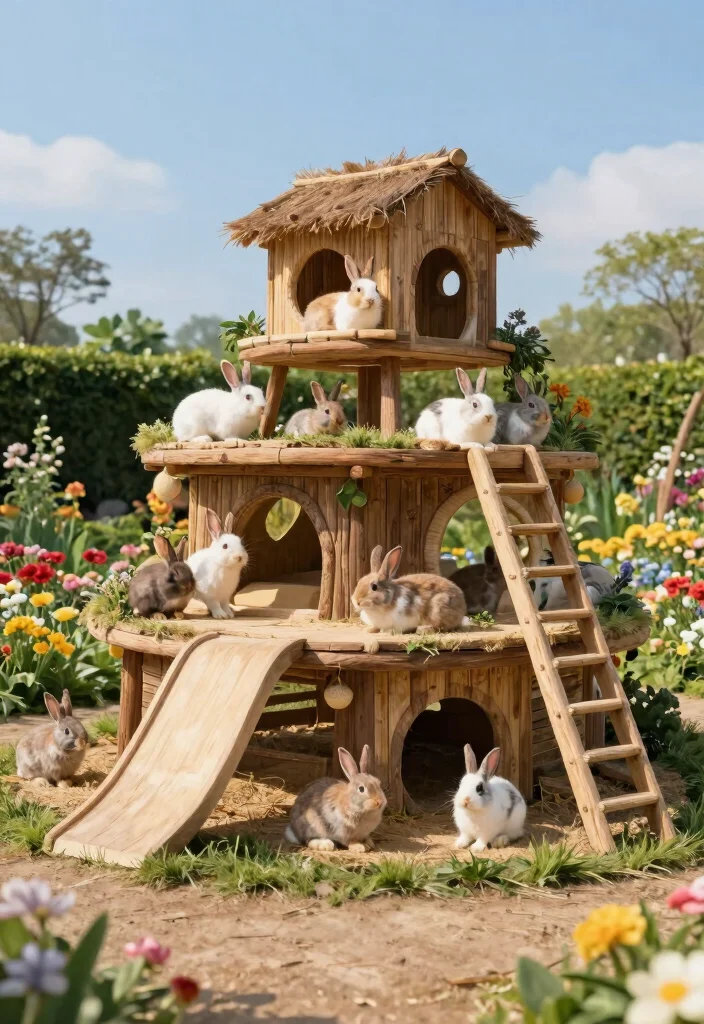
Elevate your rabbit housing with a multi-tier retreat. This design features multiple levels for your rabbits to explore, providing plenty of exercise and entertainment opportunities. It improves airflow and visibility while adding an eye-catching architectural element to your garden.
Focus on these key aspects:
– Safe Materials: Use non-toxic and durable materials to keep your rabbits healthy.
– Accessible Ramps: Include easy ramps or ladders suitable for all sizes.
– Sheltered Areas: Ensure shaded spots exist on each level for comfort.
This retreat can become a stunning centerpiece in your garden while keeping your rabbits happy and active.
Fact: A well-designed multi-tier rabbit retreat can double exercise in a compact footprint. When you add accessible ramps and safe materials, your rabbit cages outdoor become a thriving, low-stress habitat with better airflow, endless enrichment, and easier predator protection.

Package Contents: this package contains 1 wood rabbit nesting box, a generous quantity that's a value for multi-pet households looking to improve their living space; They provide a healthy living space for their rabbits, for young rabbits and those with sensitive physiques

YOUR PET DESERVES A TRUE SHELTER - WOODEN RABBIT HIDEOUT Give your small companion a safe and cozy place to rest, sleep, or play. Designed for bunnies, guinea pigs, chinchillas, and other small pets, this bunny hideout also works as a rabbit bed and nesting space. Inspired by a natural burrow, it provides a calm, protected retreat, while the sturdy top doubles as a bunny playground for climbing and relaxing.

Package Included: the package includes 2 pieces of rabbit nest box, sufficient quantity making this a fantastic value for multi-pet households looking to enhance their living spaces
10. The Natural Rock Rabbit Shelter
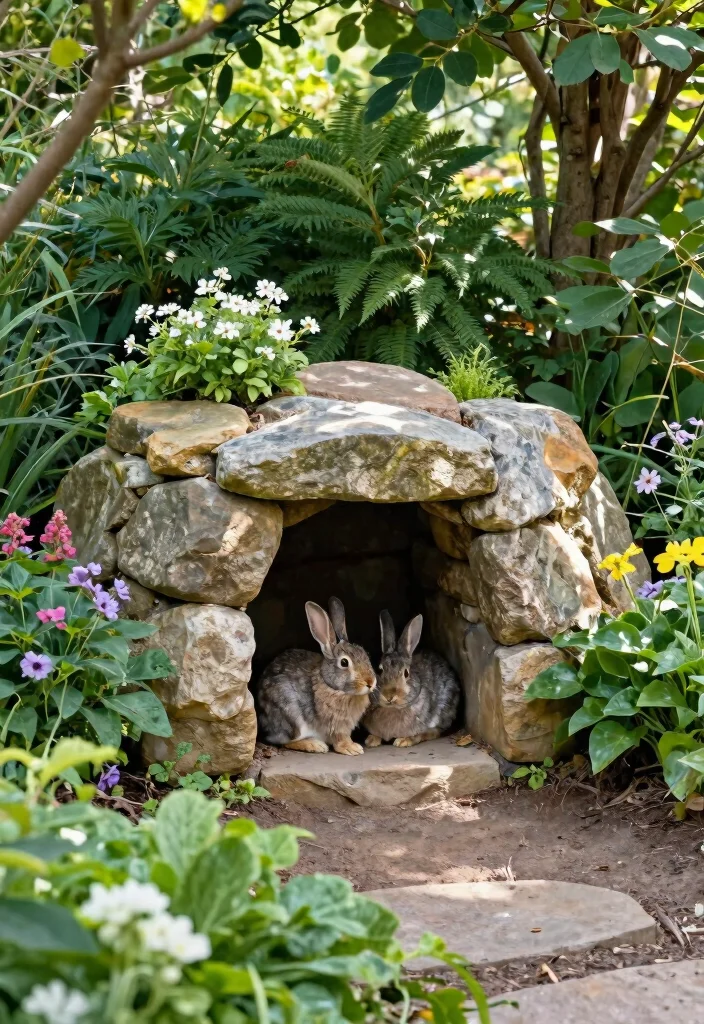
Blending natural elements into your rabbit housing can be both beautiful and functional. A natural rock rabbit shelter uses sturdy stones to create a weather-resistant refuge. The rugged texture of the rocks provides safety while seamlessly integrating into your garden design.
Keep these tips in mind:
– Sturdy Foundation: Ensure rocks are securely placed to prevent collapse.
– Hidden Corners: Create nooks where rabbits can hide and feel safe.
– Decorative Touches: Surround the rocks with plants or moss for an organic look.
This design not only offers a safe shelter but also enhances the landscape of your garden.
11. The Eco-Friendly Rabbit Cage
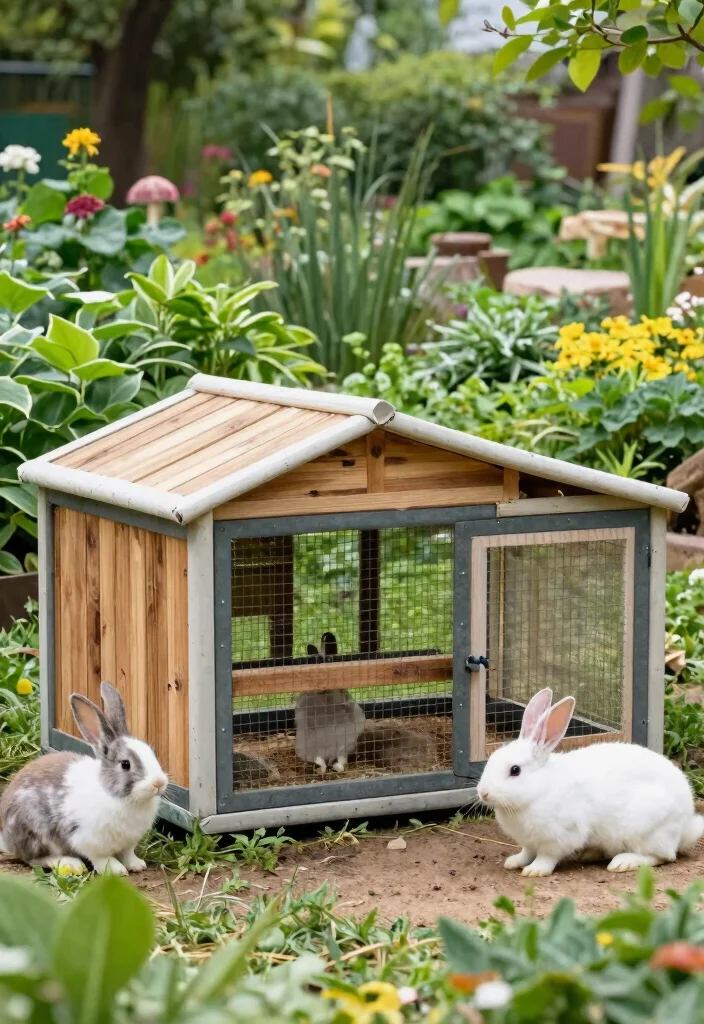
Sustainability can extend to your rabbit housing as well. An eco-friendly rabbit cage can be created using recycled materials, making it an excellent choice for environmentally conscious gardeners. This design might utilize reclaimed wood or recycled metal for a stylish yet functional setup.
Consider these key factors:
– Sustainable Materials: Choose environmentally friendly and durable options.
– Natural Finishes: Use non-toxic paints or stains for safety.
– Energy-Efficient Design: Position the cage for optimal sunlight and ventilation.
An eco-friendly rabbit cage benefits both your pets and showcases your commitment to sustainability.
12. The Custom-Built Rabbit Enclosure
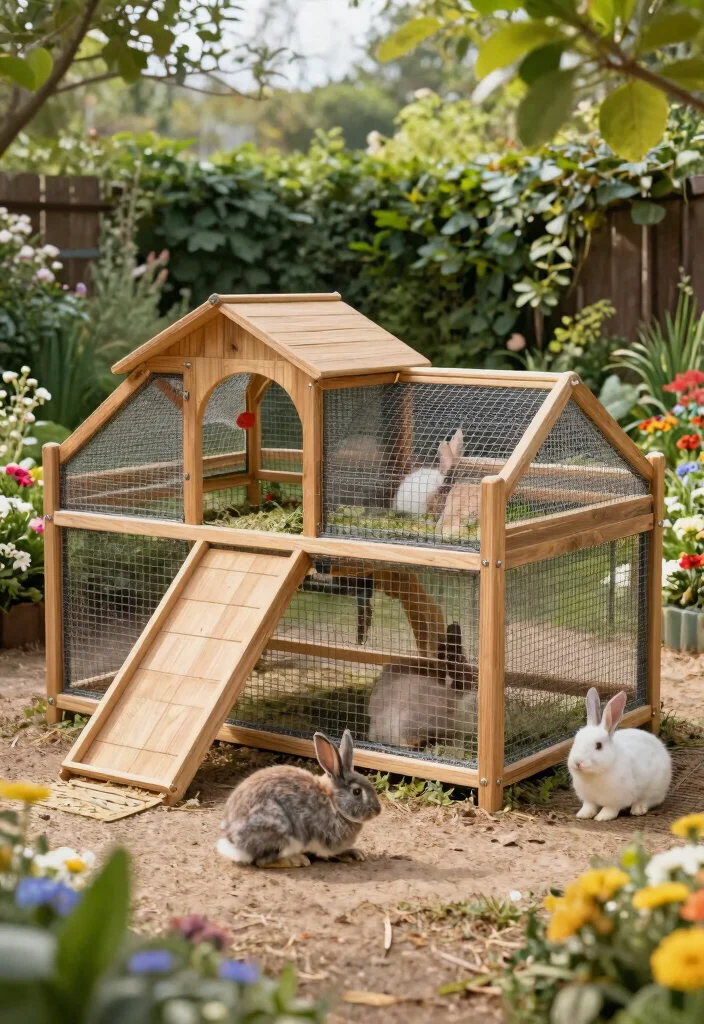
If you’re looking for a truly one-of-a-kind creation, a custom-built rabbit enclosure is the way to go. This design allows you to tailor the layout to fit your garden and meet your rabbits’ needs. Whether compact or sprawling, the options are limitless.
Focus on these aspects:
– Personalized Design: Customize the size and style to suit your space.
– Secure Materials: Use durable and weather-resistant materials for longevity.
– Bunny-Friendly Features: Include tunnels, ramps, and plenty of hiding spots.
A custom-built enclosure ensures your rabbits are safe and happy while adding a personal touch to your garden.
Conclusion
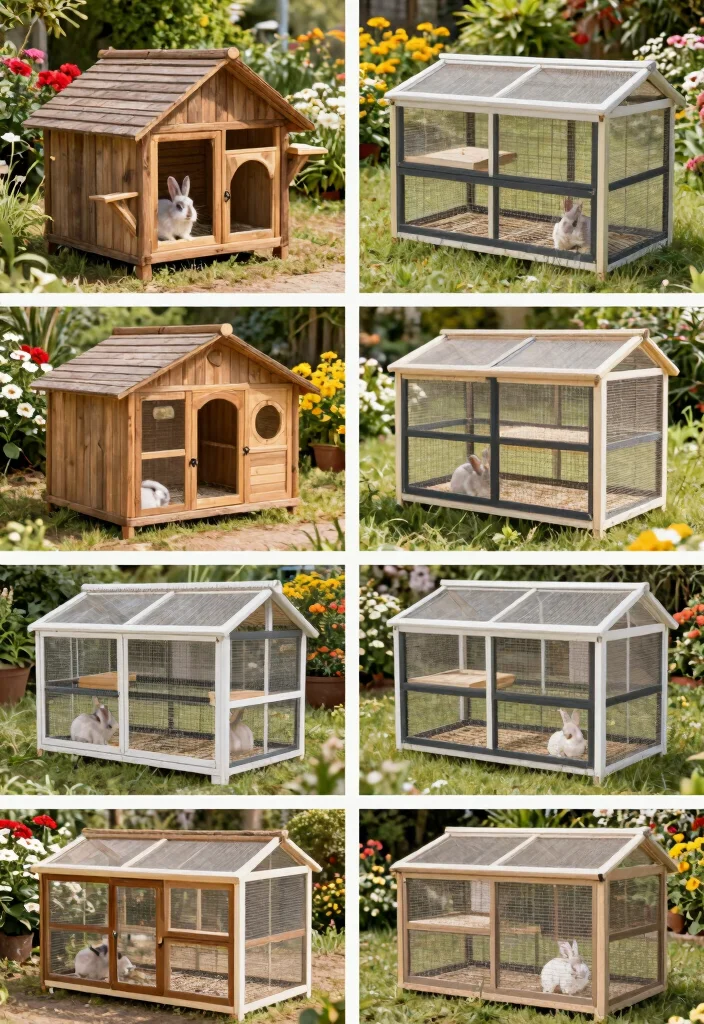
Creating outdoor rabbit cages that protect from weather and predators doesn’t have to be a challenge. With these twelve unique ideas, you can design a safe and stylish environment for your furry friends that also enhances your garden. Each option provides a blend of functionality and aesthetics, ensuring your bunnies live happily while contributing to the beauty of your outdoor space.
Consider your rabbits’ needs, your garden style, and any DIY skills you may have to choose the best option for you.
Frequently Asked Questions
What are the essential features of outdoor rabbit cages to protect from weather and predators?
Outdoor rabbit cages should blend weatherproofing with strong predator protection. Choose weatherproof rabbit enclosures with a solid roof, waterproof panels, and finishes that shed rain and sun.
Pair that with predator-resistant cages that have secure locks, welded wire, and no gaps large enough for weasels or birds to exploit.
Ensure good ventilation to prevent dampness without creating drafts, plus shade and dry bedding kept off the ground. Elevate the setup on legs or a stand for better drainage, and use a removable tray for easy cleaning. In short: durable materials, secure locks, proper drainage, and a sheltered, ventilated space for your rabbits.
How do I choose rabbit hutch designs for a sustainable garden?
Choosing rabbit hutch designs for a sustainable garden means balancing durability, usability, and eco-friendliness. Look for designs that maximize airflow and ease of cleaning while still protecting from rain and predators.
Opt for solid framing with weatherproof finishes and non-toxic coatings. Consider modular designs that fit your space and can be expanded into a safe outdoor run.
A good plan blends DIY rabbit housing with predator-resistant cages and outdoor rabbit shelter ideas so your rabbits stay safe while your garden thrives.
What are some DIY outdoor shelter ideas that are budget-friendly for rabbits?
Here are practical, budget-friendly outdoor rabbit shelter ideas you can tackle yourself. Idea 1: Enhance a weatherproof kennel with a secure, predator-proof run attached. Idea 2: Build a modular hutch from pallets with a wire mesh run and a weatherproof roof. Idea 3: Convert part of a shed into a weatherproof enclosure with proper ventilation. Always aim for weatherproof rabbit enclosures and solid locks. With a little creativity, you can create a durable home for your rabbit cages outdoor that protects them from the elements and from predators.
How big should an outdoor rabbit cage be and how should I ventilate it?
For rabbit cages outdoor, bigger is better. A practical guideline is at least 4 square feet of floor space per rabbit inside the cage, plus an attached outdoor run of about 8–12 square feet per rabbit for daily exercise.
Ensure the enclosure has a solid floor or a deep litter bed to stay dry, with good ventilation to prevent condensation, but avoid cold drafts. Elevate the cage a few inches off the ground to reduce dampness, and provide a sheltered sleeping area to protect from sun and rain.
What maintenance steps help keep weatherproof rabbit enclosures safe year-round?
Regular maintenance is key to long-lasting weatherproof rabbit enclosures. Inspect weekly for loose hardware, rust, or gaps in the wire. Clean and replace bedding, and seal any exposed wood with a pet-safe sealant. Check all latches to ensure predator resistance remains intact. In winter, add insulation or windbreaks; in hot weather, ensure ample shade and ventilation. After storms, inspect the roof for leaks and the run for damaged panels to keep your rabbit cages outdoor safe all year.
Related Topics
rabbit cages outdoor
DIY rabbit housing
weatherproof enclosures
predator-resistant cages
sustainable gardening
rabbit hutch designs
easy DIY projects
outdoor rabbit shelter
garden pets
beginner friendly
homesteading ideas
small animal care