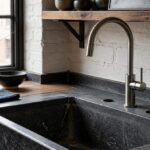
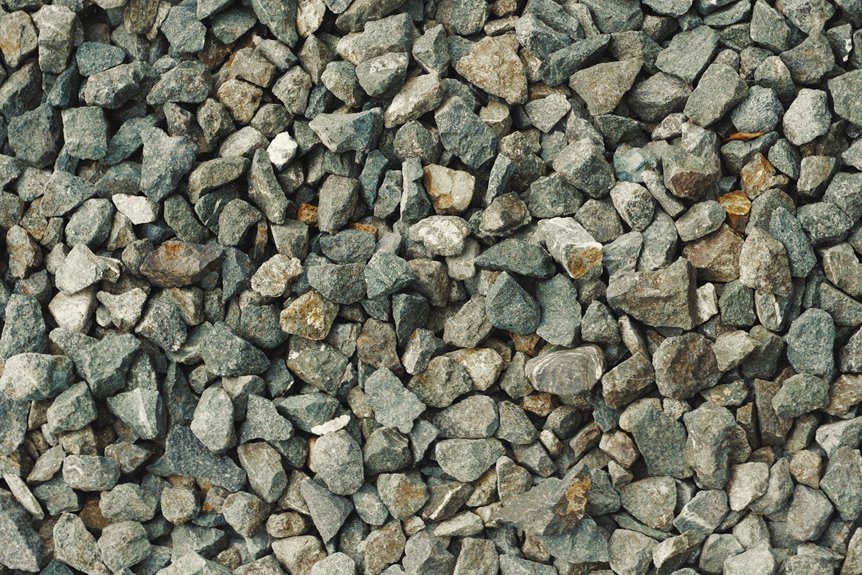
I’ve spent fifteen years installing outdoor kitchens. Quartzite is a metamorphic rock with marble-like veining and superior scratch resistance, but it demands precise sealing and skilled fabrication. Granite is igneous with bolder colors, easier maintenance, and better freeze-thaw tolerance. I seal both annually, though granite absorbs sealer more readily. Quartzite costs more due to quarry rarity and processing difficulty. For harsh climates, granite performs better; for beauty combined with toughness, quartzite wins if you’re prepared for the required upkeep. Your choice depends on whether climate resilience or aesthetic durability takes priority in your specific outdoor kitchen design.
Quartzite vs Granite for Outdoor Kitchens: How to Decide
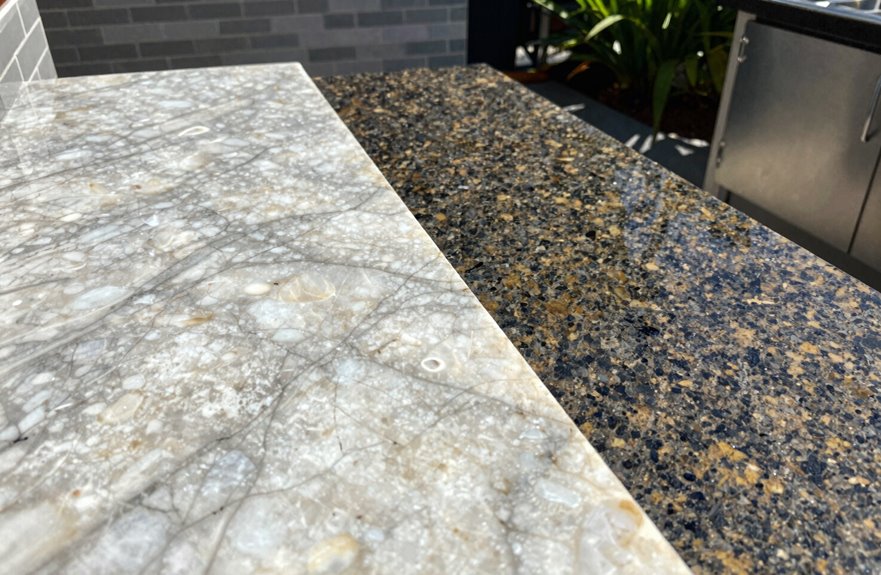
Why does choosing between quartzite and granite feel like picking a favorite child? Both offer gorgeous, natural options for outdoor kitchens, but they suit different lifestyles.
Quartzite sits higher on the Mohs scale, giving it scratch-resistant durability that stands up to heavy prep work. Its marble-like veining in soft whites and creamy grays creates an elegant, cohesive look for that aesthetic. Granite brings bolder colors, dramatic movement, and generally lower maintenance. Many granite slabs arrive pre-sealed, while quartzite demands more frequent sealing to handle outdoor exposure.
Quartzite offers scratch-resistant elegance with marble-like veining, while granite delivers bold colors and easier upkeep for busy outdoor kitchens.
The practical difference: some quartzites containing resin risk UV fading over sunny seasons, whereas granite stays reliably UV-stable. For freeze-thaw reliability in harsh climates like New England, granite often performs better.
The right choice depends on your cooking habits, climate conditions, and how much maintenance fits into your routine.

Clean & Protect Kit - For use on all Solid stone surfaces including granite, quartz, Marble, limestone, Slate, grout and Slate

🏆 35 OZ PROFESSIONAL VALUE SIZE (INCLUDES TOWEL & GLOVES) – While standard sealers offer only 24 oz, Meuvcol delivers a massive 35 oz supply, providing distinct coverage for large kitchen islands and expansive granite sealer countertop projects. No need to ration your product; this kit is the ultimate granite and stone sealer solution that allows you to protect your entire home with one bottle. Includes a premium microfiber towel and gloves for a complete, ready-to-use experience.
Where Do Quartzite and Granite Actually Come From?
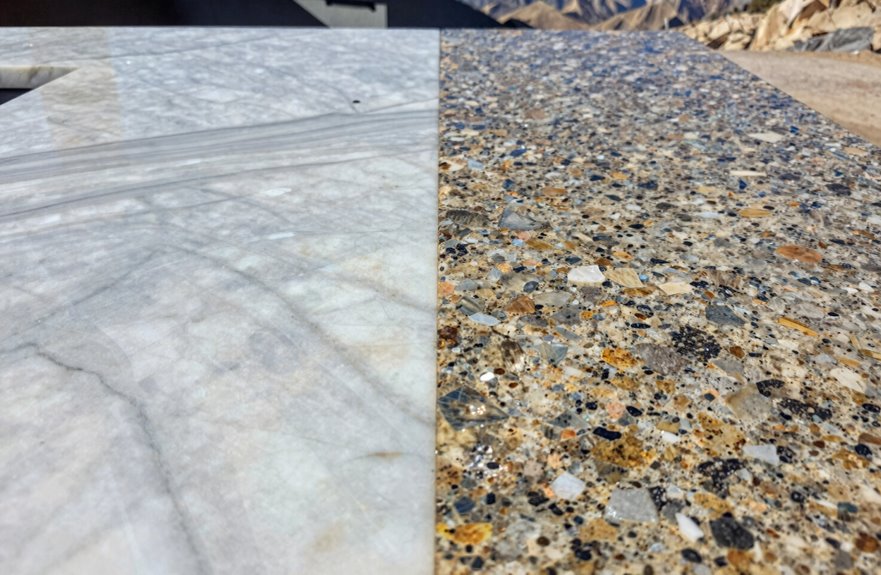
The ground beneath our feet holds more drama than most reality TV. I’ve learned this firsthand while sourcing stone for my own outdoor kitchen.
Quartzite origin traces back to sandstone transformed by intense heat and pressure, making it a metamorphic rock with interlocking quartz crystals. It’s nature’s way of turning something ordinary into something extraordinary. Granite origin tells a different story. Magma cooling slowly underground creates an igneous rock with visible quartz, feldspar, and mica crystals.
These formation differences shape everything. The metamorphic process gives quartzite marble-like veining and remarkable density. Igneous formation leaves granite granular and speckled. Their mineral composition varies significantly, which directly affects sealing reaction. Quartzite’s density often requires different treatment than granite’s more porous structure. Understanding where your stone comes from ensures you select the appropriate material for your specific application.

SEAL & PROTECT YOUR VALUED STONE SURFACES: Keep your countertops and natural stone surfaces looking like new by protecting and sealing them with Weiman Granite & Stone Sealer Spray

MAXIMUM STAIN PROTECTION: Granite Gold Sealer creates a protective barrier that resists soil build-up and stains from oil, water, coffee, wine, and other everyday spills; ideal for natural stone countertops, sinks, floors, grout, and other stone surfaces
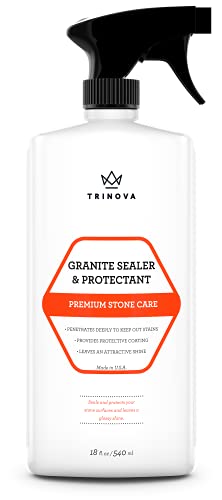
Professional Quality Stone Care – TriNova’s Granite Sealer and Protectant offers a premium sealant and caring solution for your premium stone surfaces, including marble. Whether you’re looking for a sealing product for the first time or a resealer for long-lasting protection, this product can give your granite surfaces the before and after results you want to see. Great for Quartz, Marble, Granite, Quartzite, and Soapstone.
Outdoor Durability: Weather, UV, and Freeze-Thaw Resistance
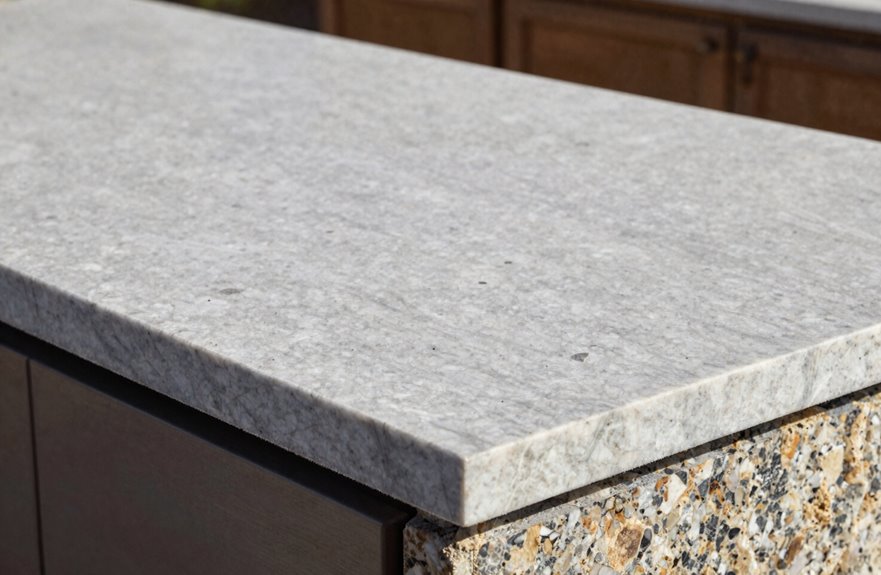
Knowing where these stones come from is fascinating, but origin stories don’t matter much when winter hits and your countertop starts cracking.
When I built my outdoor kitchen, I obsessed over looks. That was a mistake. What actually matters for outdoor durability:
| Feature | Granite | Quartzite |
|---|---|---|
| Freeze-thaw tolerance | Excellent, proven in harsh climates | Varies by slab; verify with fabricator |
| UV stability | Highly stable, color holds | Generally stable, but resin/dolomite content risks fading |
| Weather resistance | Handles humidity, temperature swings reliably | Some compositions struggle with prolonged exposure |
| Maintenance needs | Regular sealing essential | Sealing critical; follow vendor guidance strictly |
Granite is my go-to recommendation for freeze-thaw zones like New England. It performs consistently across harsh winter conditions. Quartzite can work beautifully, but not all slabs perform equally outdoors. I’ve seen friends experience significant damage from assuming uniformity across quartzite varieties. Always confirm outdoor suitability with your fabricator before committing.
【THAWING MADE EASY】Say goodbye to time-consuming thawing methods! The Blazin' Thaw Defrosting Tray's innovative design harnesses the power of premium-grade aluminium to...
Can Either Stone Handle Your Grill’s Heat?
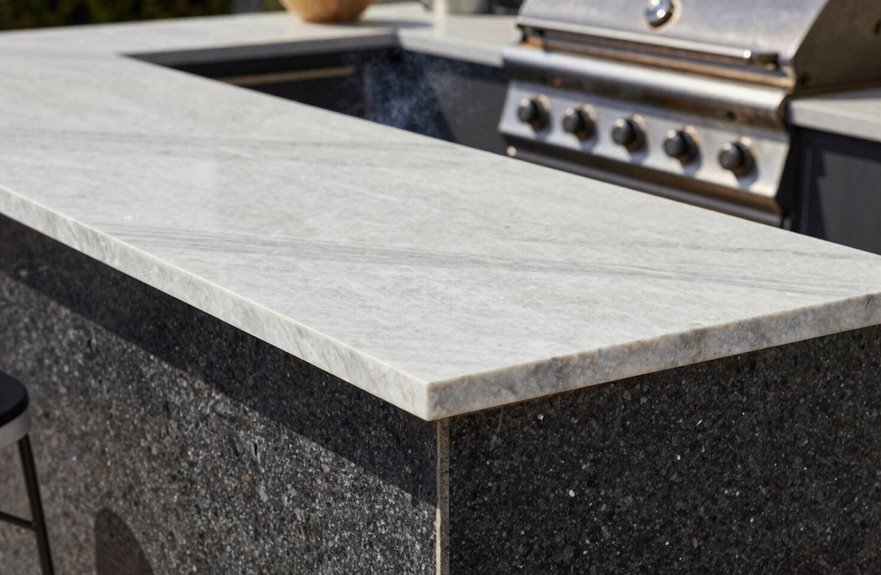
I’ve leaned against my hot grill more times than I care to admit, and I’ve learned that both quartzite and granite can take serious heat without breaking a sweat, though neither is invincible. You’ll want to understand how their heat tolerance actually compares before you start sliding sizzling pans straight off the flame, because thermal shock is real and it doesn’t discriminate between fancy stone grades. Let me walk you through what I’ve discovered about keeping your countertop safe when the flames are roaring and the steaks are searing.

UPGRADED PACKAGING DESIGN, NO CREASES - Warome silicone mat are rolled up to prevent permanent creases when packaged and shipped, and you will no longer suffer from mat creases. (Warm reminder: normal folding in daily use will not cause creases)

Premium Quartz Countertop Repair Kit: Repair small chips, scratches, and dents on the quartz countertop immediately. The quartz countertop chip repair kit makes your kitchen look flawless
Heat Tolerance Comparison
How hot does your grill actually get? I’ve seen mine hit 600°F without breaking a sweat, and that matters when you’re choosing between quartzite and granite for outdoor kitchens.
Both stones offer solid heat resistance, but quartzite edges ahead. With a Mohs hardness of 7–8 compared to granite’s 6–7, quartzite handles higher temperatures and daily wear better. Its denser, less porous structure, along with those beautiful marble-like veins, means it fights off heat damage more effectively when sealed right.
Granite’s crystalline structure still performs admirably, though lighter, more porous varieties need extra sealing. I always use trivets anyway; protecting your investment just makes sense. Skip direct contact with scorching cookware entirely. You’ll avoid thermal shock, extend your sealer’s life, and keep those edges pristine for years of backyard gatherings.
Thermal Shock Risks
Why does my heart skip a beat every time I hear that satisfying sizzle of steak hitting the grill? Because I know what comes next: someone sliding that blazing pan straight onto stone.
Both stones boast impressive heat resistance, yet neither withstands thermal shock well. I’ve watched granite survive hot pots only to crack from sudden temperature change. Quartzite, harder and more temperamental, demands respect for edge durability. Its brittleness under rapid shifts can chip those corners.
Dolomitic quartzite varieties risk dulling and sealing oxidative etching when heat spikes. Granite absorbs impact better at edges but still fails under extreme temperature swings.
The solution is straightforward. Use trivets always. Warm surfaces gradually. Seal both surfaces regularly to preserve stability, though sealing won’t eliminate thermal shock entirely. Keep your grill nearby, never directly on stone.
Mohs Hardness: Why Quartzite Outperforms Granite
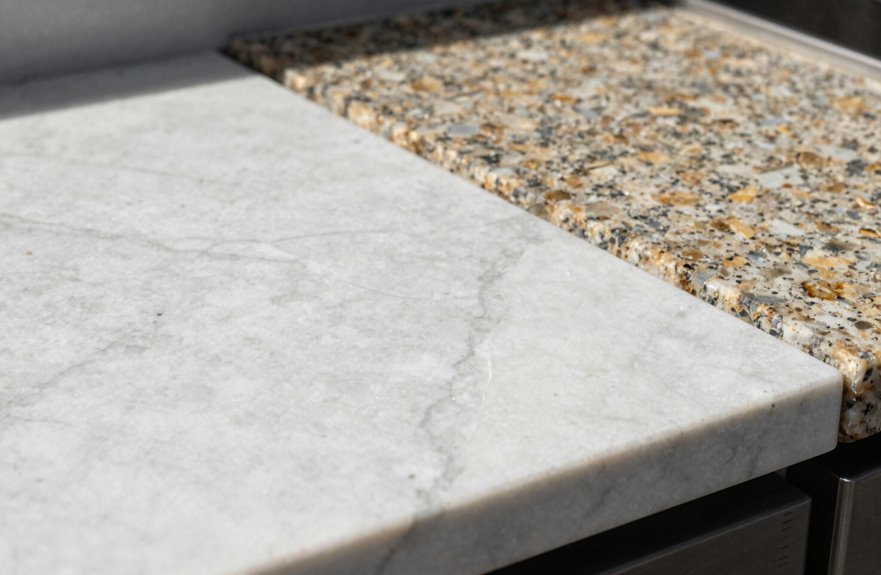
I look at Mohs scale ratings as a practical starting point for choosing between these stones, since quartzite’s 7–8 score against granite’s 6–7 matters when you’re sliding heavy pots across an outdoor countertop day after day. That extra hardness gives quartzite superior scratch resistance, which keeps outdoor kitchen surfaces looking newer longer despite constant use from grilling tools, serving platters, and dropped knives. However, this hardness advantage doesn’t tell the complete story about outdoor surface durability, because how a stone behaves under real-world conditions involves more than just resisting scratches.
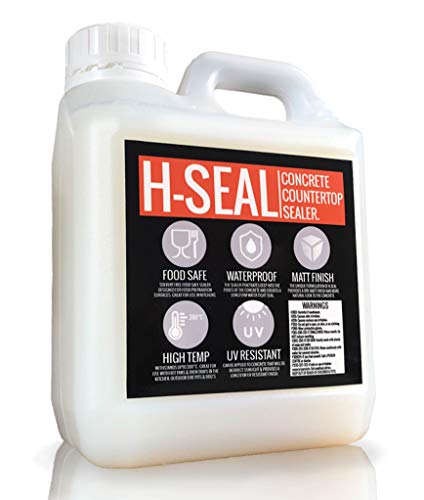
OVERVIEW: H-Seal is a food safe, solvent free, water-based concrete sealer designed for food preparation surfaces, bathrooms and outdoor applications. It is heat resistant up to 392°F making it great for use with hot pans and BBQ's and has a delicate matte finish which sets it apart from its competitors. It provides protection for 10+ years with proper maintenance and is designed for use in direct sunlight. H-Seal goes far! With coverage between 5-12m2 depended on surface roughness.

PROFESSIONAL GRADE: High-performance urethane sealer designed for concrete countertops with superior stain, acid, heat, and scratch resistance.

100% Petroleum-Free & Food Safe Made entirely from fractionated coconut oil, Iowa soy wax, and Wisconsin beeswax — never mineral oil or synthetics. Safe for all food contact surfaces including cutting boards, countertops, and cooking tools.
Mohs Scale Ratings
When you’re choosing a countertop that’ll face gravelly winds, falling branches, and maybe a dropped cast-iron skillet, hardness matters significantly. Mohs hardness ratings tell you exactly how much abuse your surface can take. Quartzite hardness hits 7–8 on the Mohs scale, while granite hardness sits at 6–7. That one-point gap represents a meaningful difference between a scratch from a dropped steak knife and a clean save.
Better quartzite hardness translates directly to edge durability, which substantially impacts outdoor kitchen longevity. Those crisp countertop edges take hits from trays, coolers, and clumsy guests. However, brittle edges can chip in both materials during careless transport, regardless of Mohs scores. Respect is necessary when handling either material.
Test full slabs yourself before purchasing. Dramatic variability exists in hardness between seemingly identical pieces, and consistency matters where it counts.
Outdoor Surface Durability
How exactly does that extra hardness translate once you’re actually cooking outside? Quartzite hardness matters when you’re hauling heavy Dutch ovens across the counter year after year. That outdoor durability means less surface wear even with constant traffic, weekend barbecues, and the occasional dropped spatula.
Porosity varies wildly between slabs. Quartzite’s dense crystal structure resists staining better than many granites, but only with proper sealing. Skip that step, and you’re inviting trouble. Both offer excellent heat resistance for hot pans straight off the grill.
Watch for edge chipping though. Granite’s softer nature makes edges vulnerable to heavy impacts, while quartzite demands careful fabrication. Poorly handled edges can splinter during installation. Choose fabricators who understand these stones, and you’ll build something that lasts.
Scratch Resistance Comparison
On the Mohs scale, quartzite sits at 7–8 while granite hovers around 6–7. That single point difference has practical implications. Quartzite hardness resists knife slips and dragged grill grates that would damage granite. For outdoor kitchen countertops, this resilience reduces maintenance concerns.
Granite edge durability outshines quartzite when subjected to impact. Quartzite corners chip when moved against heavy objects like propane tanks due to brittleness, while granite absorbs the same knocks without fracturing. The Mohs scale does not measure edge toughness.
Surface scratches appear subtler on granite’s mottled patterns. Some quartzites, despite their hardness ranking, reveal micro-scratches or etch if they contain dolomite. Verify your slab composition before purchase, as dolomitic quartzite performs differently than pure quartzite.
Sealing Quartzite and Granite: What Actually Changes?
Why does sealing matter so much once you drag these stones outside? Porosity becomes your enemy when rain, grease, and wine collide on your countertop.
Both quartzite and granite need sealing for outdoor stain resistance, though their needs differ slightly. Seal yours annually, sometimes twice if you’re grilling constantly. Quartzite’s lower porosity means it absorbs sealer differently than granite, which can drink it up like summer humidity.
What actually changes: unsealed stone invites bacteria, stains, and that permanent shadow where you spilled marinade. Test your counters by flicking water. If it beads, you’re protected; if it sinks, grab that sealer. Skipping this step allows contaminants to penetrate the stone’s surface. Your outdoor kitchen requires the same care you’d give your indoor space, sometimes more given its exposure to the elements.

SAFE ON GRANITE, MARBLE, QUARTZ & NATURAL STONE: Includes one 32oz spray bottle; pH-balanced formula cleans granite, limestone, marble, slate, travertine, quartz, and all other natural-stone countertops without the harsh chemicals in everyday cleaners that can dull or etch your stone

DAILY GRANITE CLEANER WITH DISINFECTING FORMULA: Specially formulated for granite and stone surfaces, Weiman Disinfectant Clean and Shine spray keeps your kitchen surfaces clean and leaves a beautiful streak-free and residue-free shine on hard, non-porous surfaces

Unique, extra strength stain protector for interior porous natural stone and grout
Will Your Countertops Fade in Direct Sun?
I’ve learned the hard way that not all stone handles sunshine equally. UV resistance varies wildly between granite slabs and quartzite types, with color stability hinging on mineral composition, veining patterns, and whether you’re dealing with true quartzite or a softer, dolomite-heavy impostor. A quality UV-protective sealer is your first line of defense against the slow, sneaky fade that turns vibrant countertops into washed-out surfaces over time.
UV Resistance Factors
How much sun can your outdoor countertops really take before they start looking washed-out and tired? UV resistance separates the survivors from the casualties in outdoor kitchens.
Quartzite offers decent UV resistance when properly sealed, though resin-stabilized varieties turn chalky after seasons of baking. Granite holds its ground better; years of direct sun rarely phase it.
Key observations:
| Factor | Quartzite vs. Granite |
|---|---|
| Base UV resistance | Good with sealing vs. Excellent, minimal care |
| Resin content risk | Some variants discolor; choose pure stone |
| Sealing importance | Critical for both; deteriorated sealants invite fading |
For color stability, granite proves superior long-term, or choose UV-stable quartzite without synthetic resins. These materials resist fading and discoloration through multiple seasons of intense sun exposure.
Color Stability Concerns
When you’re dropping serious money on outdoor countertops, you want to know they’ll still look gorgeous three summers from now, not like they’ve been left out to bleach.
I’ve seen quartzite and granite both hold their own against UV exposure. True quartzite, with its silica-rich makeup, offers excellent color stability in outdoor kitchens. It resists fading better than expected, though some varieties with subtle pigmentation show shifts in brutal afternoon sun. Granite tends to stay more consistent across slabs, but those darker varieties soak up heat and can show surface changes without proper sealing.
Resin-filled quartzites can yellow or fade. Regular sealing protects both materials from the elements and extends their lifespan significantly.
Protective Sealant Role
That color stability promise depends entirely on your sealant quality. UV exposure hits harder outdoors, and without proper outdoor sealants, both quartzite and granite can fade unexpectedly.
Through trial, error, and expensive lessons, here’s what performs in real conditions:
| Factor | Quartzite | Granite |
|---|---|---|
| Ideal sealer type | Premium impregnating sealer | Standard impregnating sealer |
| Sealing frequency | Every 1–2 years | Every 2–3 years (often longer) |
| UV fade resistance | Varies by mineral content | Generally more consistent |
| Water bead test | Essential—don’t skip | Essential—don’t skip |
| Maintenance temperament | Needs more attention, rewards you | Lower drama, steady performer |
Quartzite requires annual resealing because its porous microstructure absorbs sealant quickly, but the effort maintains its appearance. Granite’s denser structure allows longer intervals between applications. Both materials demand consistent sealant protection against sun damage.
Choosing the Right Finish for Outdoor Counters
Why does finish matter so much when you’re cooking outside? A polished finish on outdoor counters creates glare at sunset and shows every water spot. For outdoor kitchens, honed or leathered finishes on both quartzite and granite work better. They hide wear, feel warmer, and offer better grip when hands are messy.
Quartzite’s hardness gives it edge durability, but it can chip if you’re careless. Granite forgives more. Both need sealing, though quartzite requires more frequent resealing to maintain its weather resistance. Your finish choice shapes daily enjoyment. Leathered quartzite in soft grays creates an inviting appearance, while honed granite in deeper tones anchors the space visually. Select the finish that suits your lifestyle and aesthetic preferences.
Installation Complexity: Where Granite and Quartzite Diverge
How much does installation matter when choosing between these two stones? The answer lies in their differences. Granite and quartzite show distinct behaviors on job sites, affecting your timeline and crew requirements.
Granite tends to behave better during fabrication. It’s forgiving on edges and seams, and templating feels more straightforward. Quartzite’s density demands respect. You’ll want skilled hands cutting it, and the templating requires extra precision to match those beautiful, veined slabs.
Comparing them by key factors:
| Factor | Granite | Quartzite |
|---|---|---|
| Fabrication | Easier, more forgiving | Harder, needs skilled pros |
| Templating | Standard precision | Extra care for pattern match |
| Edges/Seams | More forgiving | Requires exact alignment |
Plan accordingly and find your fabricator early. The differences in installation difficulty will directly impact your project schedule and labor costs.

Our new MORE Premium Plus Stone Sealer with extra built-in protection will stop food and beverages from staining the surface AND obstructs new growth of harmful film and grime that build up on surfaces.

MADE IN THE USA - Proudly made right here in the USA at our Wisconsin headquarters, Flitz delivers unbeatable quality you can trust. Flitz marble sealer and protectant works as a travertine sealer and limestone sealer too

SEAL & PROTECT - MORE Premium Stone Sealer forms an invisible barrier that provides maximum protection against the toughest stains on the most porous stones. Ultimately, you’ll have the peace of mind knowing your precious surfaces are protected from life’s daily spills. You’ll know it’s working when liquids bead up on the surface.
Why Quartzite Costs More Than Granite
And he was right. Quartzite costs more than granite because of several concrete factors that affect the final price.
The rarity of quality quartzite deposits means I’m often hunting specific quarries. Quarry variability drives up sourcing costs before fabrication even begins. Then there’s the processing. Quartzite’s higher hardness demands diamond-tipped tools and skilled hands, which I discovered firsthand on my first install.
What you’re paying for includes:
- Superior durability that withstands heavy use and weather extremes
- Marble-like beauty without the fragility your neighbors settled for
- Proper sealing protocols I walk you through, ensuring decades of performance
Don’t let sticker shock push you toward granite’s compromises. You’re building something that lasts.
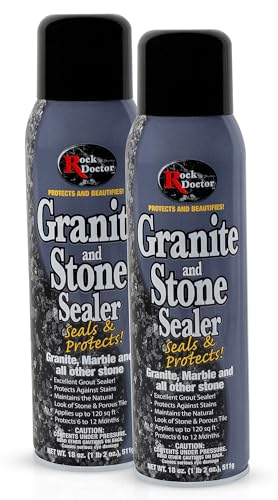
Stone Stealer Spray – This granite sealant penetrates and bonds with stone surfaces to protect against moisture, stains, and damage caused by things like coffee, wine, or oils to provide long-lasting and reliable counter or stone protection. The 2-pack provides two 18 oz cans for continued surface care.
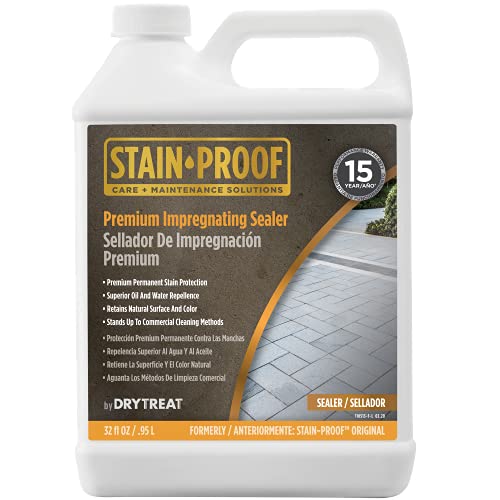
IMPREGNATING SEALER: Protect your natural stone, concrete, tile, brick and more from staining and water damage with Stain Proof Premium Impregnating Sealer.
-INVISIBLE FINISH, NATURAL LOOK: Penetrating formula soaks deep into unsealed stone and forms an invisible barrier with no darkening, no haze and no streaks, keeping the original color and finish of your countertops