
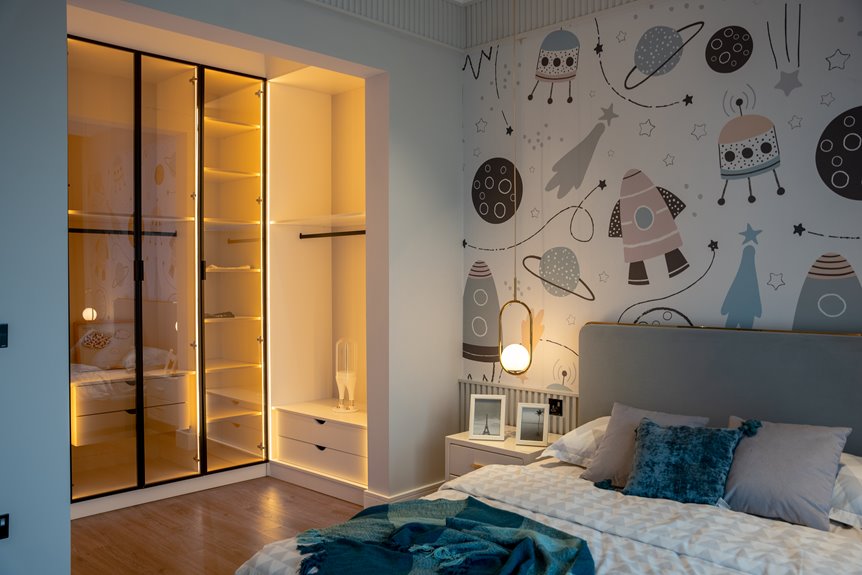
I’ve spent years helping friends transform tired bedrooms into spaces that actually feel like them, and I’ve learned that the best makeovers don’t require starting from scratch or draining a savings account. Whether you’re drawn to the weight of a carved mahogany headboard found at auction, the quiet calm of sage green walls paired with thrifted linens, or the drama of deep Paean Black balanced against airy neutrals, the right theme gives you a filter for every decision that follows. From budget-friendly refreshes built around a $12 duvet cover and a $7 mirror, to patient hunts for solid wood dressers with good bones, to strategic bidding on campaign chests and velvet settees, I’ve mapped out ten distinct directions that answer the real question behind “bedroom themes”: how do I make this room feel intentional, collected, and mine. Each one comes with specific color palettes, sourcing strategies, and the small but essential details (like testing paint in morning light or keeping pathways at 70cm) that turn inspiration into a space you’ll want to return to night after night.
Update Your Bedroom on a Budget
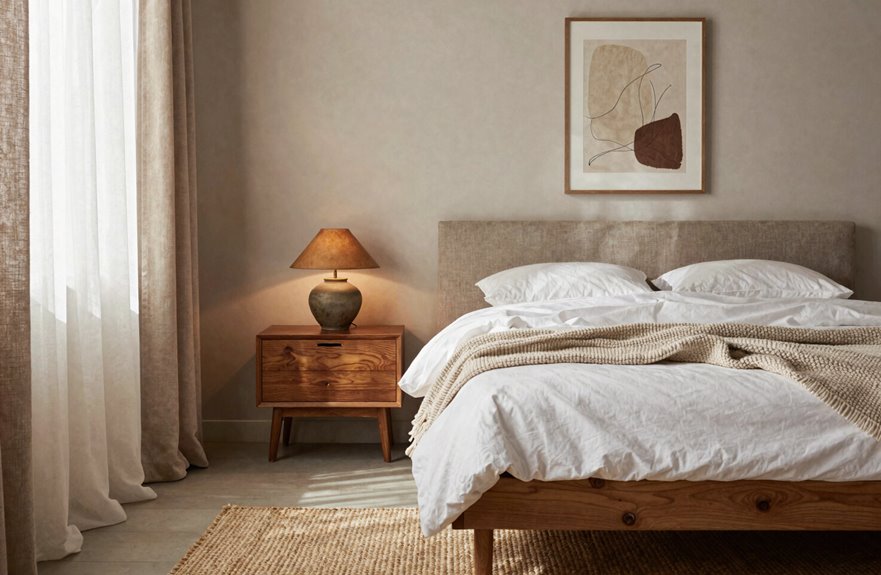
Why spend a fortune when you can wake up in a space that feels brand new for the cost of a weekend project and some creative hunting. I’ve transformed my own bedroom using smart decor ideas that didn’t require replacing a single piece of furniture.
Start with paint, the fastest mood-changer available. I painted one accent wall in a soft sage, and suddenly my room felt like a retreat. Then I hunted thrift stores for textiles: a $12 duvet cover, mismatched pillows I unified with dye. Wall accents matter too. I’ve framed free botanical prints and hung a $7 thrifted mirror to bounce light around.
I follow creators on LTK for affordable inspiration, saving their budget finds to my own boards. Small swaps create noticeable results.
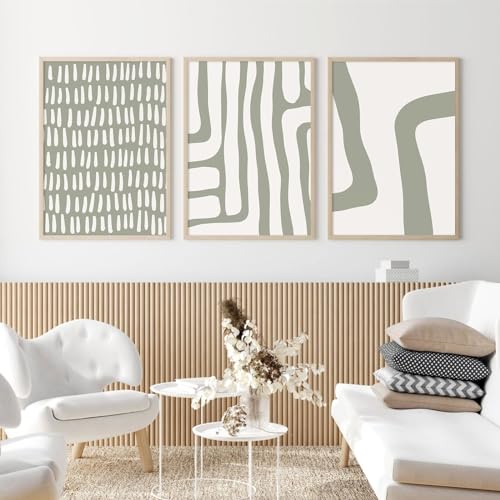
Unframed Prints: Watercolor wall art prints - (Set of 3) - Unframed - 12x16 inches.

𝗦𝘂𝗰𝗰𝘂𝗹𝗲𝗻𝘁 𝗗𝗲𝗰𝗼𝗿: This green metal wall decor features multiple layers of petals with hand painted, colorful accents; each suggested color represents the natural hues of succulents found in the wild; add this succulent wall decor to your interior to bring a refreshing touch of nature into your space
Find Vintage and Secondhand Bedroom Pieces
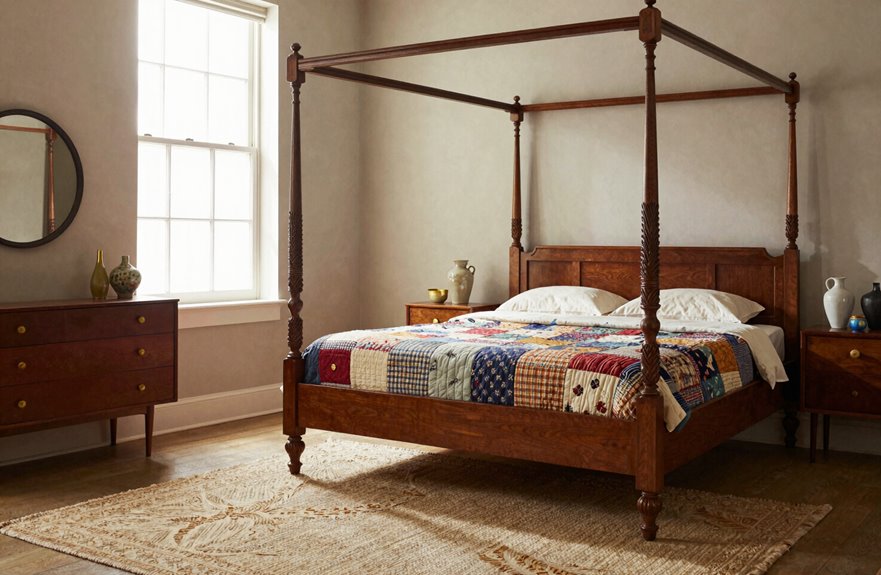
I’ve built entire bedroom looks around a single $40 auction find, a battered oak dresser that anchors the whole room, so thrift stores, estate sales, and flea markets contain valuable pieces for patient hunters. You’ll want to scan for solid wood frames, original hardware, and patina that new furniture simply can’t fake. These pieces carry stories and ground your space in something real. Start with one statement item, a carved headboard or a worn leather bench, and build outward. Let its texture and era guide your textiles and wall colors rather than forcing a match.

✨【100% Premium Cotton & Cloud‑Like Softness 】--Experience hotel-grade comfort with our 100% natural cotton duvet cover. Ultra soft, breathable, and skin-friendly, it keeps you cool in summer and warm in winter, wrapping you in gentle coziness all night long. It feels so soft and comfortable, truly super cute and comfy, giving you a deep, restful sleep you’ll look forward to every single day.

【Full Duvet Cover Set】: HIGHBUY 3 Piece Cottagecore Full Shabby Chic Yellow Flowers Bedding Bedding Sets- 1 x Duvet Cover (80"x90") and 2 x Pillow Shams (20"x26"),No comforter insert or sheet

SOFT MATERIAL:All season cotton duvet cover sets which are naturally soft and cool,providing you with comfortable sleep throughout the year,cotton is naturally breathable and gentle on your skin,helps regulate your body temperature while sleeping,specially for hot sleepers.
Thrift Store Treasures
Where do you find bedroom pieces that tell a story without draining your savings? I discovered thrifted furniture years ago, and it’s transformed how I think about bedroom design.
I hunt for solid wood dressers with good bones, vintage nightstands with character, and headboards that carry decades of history. These pieces anchor a room instantly. Last month, I found a carved wooden bench for ten dollars with minor scratches that created a major visual impact. I paired it with soft linens in warm ochre and cream.
The trick isn’t perfection; it’s vision. I sand rough edges, swap hardware, or let patina speak for itself. Mixing textures, worn leather, nubby wool, and smooth ceramic creates that layered, lived-in feeling we all crave.
Your bedroom becomes a collection of moments, not just a showroom. Start small, stay curious, and follow your instincts.
Auction House Finds
Auction houses reward the patient hunter with pieces that carry real weight: oak four-posters, campaign chests, and velvet settees that have outlasted three owners and two centuries. The thrill of bidding on thrifted furniture transforms a bedroom into something deeply personal without draining savings. Smart strategy matters here. Set your max bid before the gavel drops, inspect joints and drawers in person, and avoid chasing trends. These pieces anchor a room. Pair that carved mahogany headboard with linen bedding, or flank a leather trunk with brass reading lamps. The mix feels collected rather than decorated.
- Research auction catalogs online before attending
- Arrive early to test drawers and inspect upholstery
- Set a firm budget and stick to it
- Pair heavy wood pieces with soft textiles
- Layer auction finds with cabin-inspired wall accents
Secondhand Statement Pieces
How often do we walk past a scratched dresser or a wobbly nightstand and see only work? I used to do exactly that, until I spotted a water-stained oak dresser at a thrift store and imagined it beside my crisp white bedding.
That single secondhand piece anchored my entire bedroom. Now I mix auction finds with modern lamps, creating a space that feels collected, not decorated. You don’t need a big budget. Just patience and a vision. I browse estate sales and platforms like LTK for inspiration, then hunt secondhand versions that carry real history.
Layer your vintage find with soft textiles: a chunky knit, linen curtains. Suddenly that worn wood becomes the cozy retreat you’ve been craving. Your perfect piece is waiting.
Design a Vintage Cabin Bedroom Retreat
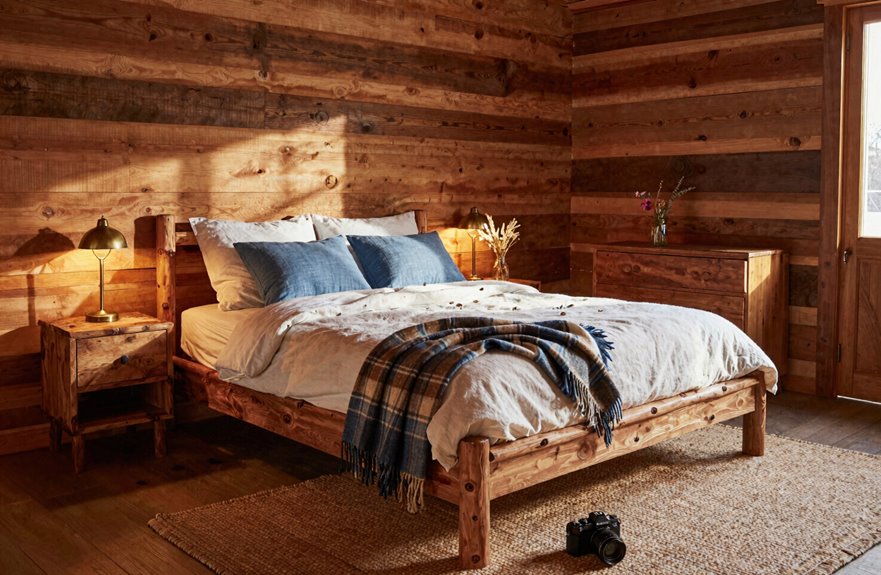
I like to start my cabin retreat with layers of rustic textiles: heavyweight plaid blankets, chunky knit throws, and soft wool rugs that invite bare feet on chilly mornings. Then I’ll bring in weathered wood accents, such as a reclaimed barn door headboard, a dresser with visible saw marks, or a stack of old firewood as bedside sculpture. These two elements work together to create that lived-in, generations-old feeling where every piece looks like it has a story and every texture encourages you to slow down.

EXQUISITELY CRAFTED: Measuring 32''W* 16'' D *48'' H. With a replicated antique two-tone finish grain that stands out against the distressed finish, this transitional 6-drawer dresser brings a warm presence to your bedroom/living room. Beautified with 4 solid wood feet & and the solid wood column decor which is wonderfully easy on the eyes. Paired with the unique antique-tone pulls which is made for years of satisfaction. IT COMES WITH A WHOLE SET BEDROOM FURNITURE COLLECTION TO PAIR
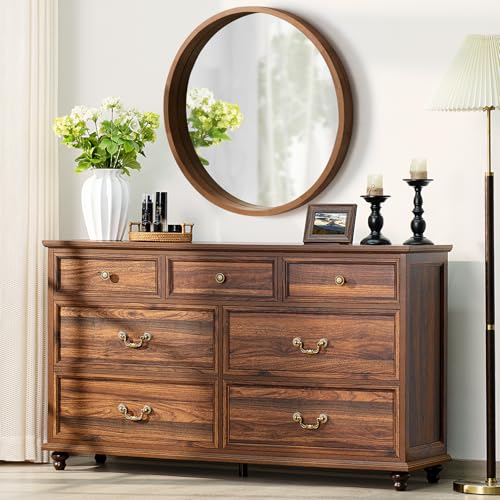
【Farmhouse Rustic Design】The farmhouse 7 drawers dresser features 4 sturdy decorative solid wood legs in the shape of vintage gourds,with geometric linearity design drawers and antique brass tone metal drawer knobs, blending vintage and modern sensibilities perfectly! This classic 7 drawers chest of drawers perfectly complements Joaxswe other furniture, adding a rich rustic feel to your home.

【TIMELESS, FURNITURE-INSPIRED DESIGN】Designed to feel collected rather than mass-produced, this wide dresser pairs framed drawer fronts, rounded architectural posts, slender tapered legs and vintage-inspired metal hardware. The balanced three-section façade and visible wood-grain texture bring the polished, layered character of thoughtfully chosen furniture to your space.
Rustic Textile Layers
Where do you begin when your bedroom feels more “suburban rental” than “mountain hideaway”? Start with textiles, since layering is essential in these bedroom ideas. Drape chunky knit throws over plaid bedding, letting textures complement each other. Jute rugs anchor the space while woven blinds filter morning light into something gentle.
- Mix plaids and knits for instant cabin warmth
- Add natural fiber fabrics—linen, cotton, wool
- Balance dark accents with cream or soft gray bases
- Hunt thrift stores for vintage quilts and woven baskets
- Layer rugs: jute base, smaller patterned piece on top
Keep colors moody but grounded. Deep greens, rust, and charcoal work well when softened by neutrals so the room breathes. This approach isn’t about perfection; it’s about building a space that reflects your personal style.
Weathered Wood Accents
Once you’ve got your textiles sorted, it’s time to look at what they’re sitting on and against.
Weathered wood anchors this bedroom design, grounding all that softness in something with history. Hunt for pieces with honest wear: scuffed bed frames, barn doors repurposed as headboards, paneling that’s seen actual seasons. The distressing isn’t manufactured rustic; it’s the real patina of time.
Layer your textures deliberately. Pair that reclaimed oak with crisp linens, nubby wool, and rough jute. Keep your palette tight: warm browns, creamy whites, muted sage. Nothing clashes when everything’s cousins.
Light matters enormously. Use warm-toned fixtures to graze across wood grain, highlighting every knot and grain line. Skip harsh overheads. Amber glow works better than bright overhead lighting.
This isn’t decoration. It’s building a refuge that welcomes you back every single evening.
Create a Moody Romantic Bedroom Escape
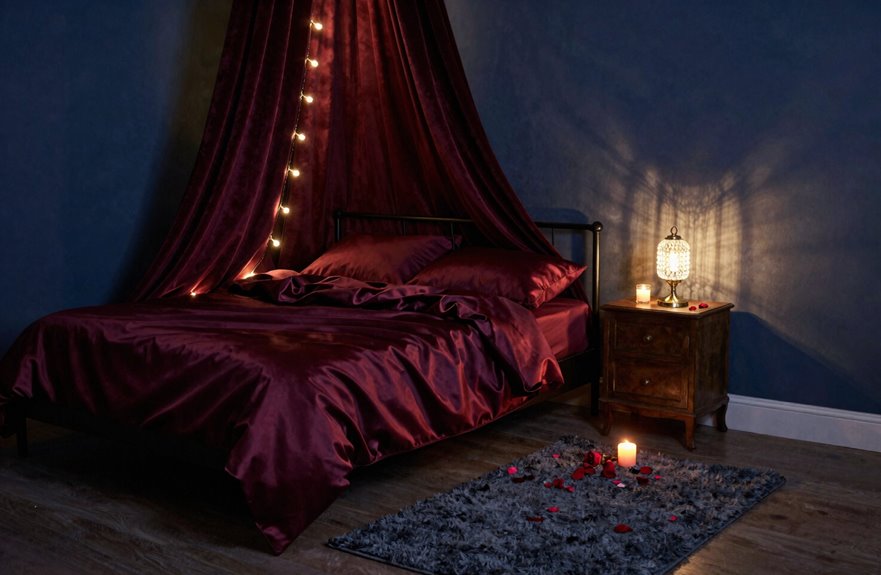
Why settle for a bedroom that merely houses your bed when you could craft a space that wraps around you like a well-kept secret? Moody romantic bedroom decor transforms ordinary rooms into intimate sanctuaries where you’ll actually want to linger.
Start with deep, grounding hues: Paean Black, Inchyra Blue, or Preference Red create that enveloping feeling. Balance these with lighter headboards or woodwork accents for just enough contrast. Layered lighting keeps things cozy, not cave-like.
To build this aesthetic:
- Paint walls in Down Pipe or Studio Green for instant depth
- Mix velvet and mohair throws for tactile luxury
- Add brass mirrors to catch and amplify soft light
- Install dimmable sconces for late-night reading
- Contrast dark walls with natural wood furniture

Approximated 24"H x 24"W x 0.5" Depth

Complete Moon Phase Set: includes 5 wooden moon panels featuring one full moon and four crescent phases; Arrange them in sequence or space them apart to create a personalized lunar display

Personalized & Meaningful Gift Elevate your home with a personalized touch. This mandala-inspired headboard serves as a unique personalized statement piece or a thoughtful meaningful gift, adding a deep, symbolic connection to your boho bedroom decor collection.
Choose Light Bedroom Colors for Calm Mornings
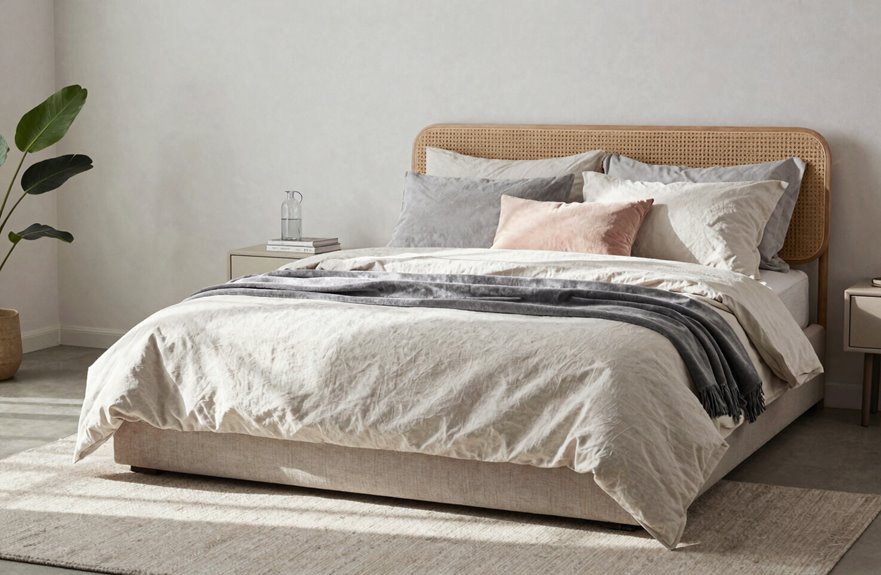
Soft neutral palettes are the ideal starting point for creating calm mornings. Colors like Skimming Stone, Cromarty, or Wevet wrap the room in barely-there warmth, while air-tone selections such as Cabbage White or Slipper Satin keep things bright without harshness. Purchase one of those free sample pots first; paint never looks the same on a color card as it does on your actual wall at 7 a.m.

【SILKY, HIGH-PAYOFF FORMULA】Ultra-fine, creamy powders deliver intense color in one swipe. Mattes and shimmers blend seamlessly with minimal fallout for everything from soft nude looks to dramatic smoky eyes.

25 COOL-TONE SHADES FOR SMOKY EYE LOOKS:Dimensions: 4.41 in × 4.57 in × 0.51 in. Create endless eye styles with 25 shades featuring white, silver, gray and true black tones. Designed for classic smoky eyes, dark glam makeup, grunge styles and dramatic gothic looks, this all-in-one palette delivers complete color combinations without needing multiple palettes.
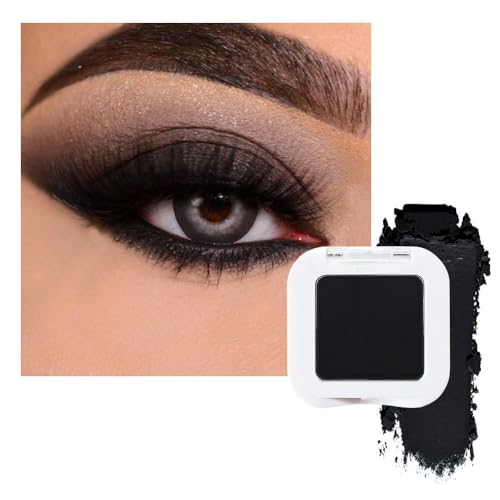
【Rich Pigment & Versatile Shades】Featuring an array of multi vivid shades including black, white, brown, purple, green, and beige, this pressed powder eyeshadow palette is designed for crafting stunning eye makeup looks that range from subtle to bold. Each shade is highly pigmented for impactful color that draws attention
Soft Neutral Palettes
There’s something about morning light hitting a soft, neutral wall that makes you want to linger under the covers just a little longer. Bedroom décor built around light neutrals, Skimming Stone, Cromarty, Purbeck Stone, Wevet, plus Cabbage White and Slipper Satin, creates the calm, airy sanctuary most people seek.
- Test 100ml sample pots on your actual walls before committing
- Browse the Colour Card’s 132 shades and their stories
- Pair soft textures with botanical greens for depth
- Let morning light guide your final selection
- Build your whole bedroom décor around one anchor neutral
Air-Tone Selections
A handful of soft, airy tones can transform your bedroom into the kind of space where you actually want to wake up slowly. I learned this after painting my own walls Skimming Stone. Suddenly, mornings felt less jarring.
For your bedroom decor, consider these breathable options: Cromarty’s gentle gray-green, Purbeck Stone’s warm neutral, or Wevet’s barely-there white. Want something crisper? Cabbage White, School House White, and Slipper Satin deliver brightness without sterility. These aquatic-tinged neutrals layer beautifully with linen, rattan, and worn wood.
Light bedroom colors soften everything: shadows, sounds, the transition from sleep. This reduces visual stress and creates a gentler waking experience.
Grab the complimentary Colour Card, which includes 132 shades with stories behind each name, delivered free. Test swatches in morning light to see how colors perform in your specific space.
Go Dark: Deep Bedroom Tones for Night
Some nights, you want your bedroom to feel like a secret; enclosed, calming, almost like a hug from the walls themselves. Dark tones transform ordinary spaces into sanctuaries. Think Paean Black, Inchyra Blue, or Down Pipe wrapping around you, softened by ambient lighting that keeps things romantic, not gloomy.
Layer textures like velvet, linen, and worn wood to ground the space. Painted panelling in Railings No.31 or French Gray No.18 adds depth without clutter. Tuck a headboard into a shadowed corner or bathe one wall in Preference Red for instant drama.
Make it work by following these steps:
- Choose one deep wall color as your anchor
- Layer three lighting types: ambient, task, accent
- Add rich woodwork for texture and warmth
- Paint headboards or corners in bold hues
- Balance heavy colors with soft, luxurious fabrics

【Boho Floral Wall Art Set of 3】Enhance your interior with this Wood Framed Boho Floral Wall Art Set of 3, a perfect blend of style and serenity. Featuring sage green wall art tones and minimalist botanical prints, these 12x16 inch pieces are designed to bring harmony and warmth into your space. Whether you're styling your bedroom wall art prints or refreshing a bathroom wall art framed display, these nature-inspired prints fit beautifully into any décor theme.

【Vintage Bird Wall Art】 Vintage gold framed wall art depicts an elegant sparrow perched on a blooming branch, surrounded by delicate botanical details against a sage green background. Vintage wall decor incorporates bird wall decor and botanical wall decor elements, adding a touch of nature to your space.

Vintage Wall Decor for Home: Bring timeless charm to your walls with this rounded-rectangle wall decor — a double-layer framed art piece that blends classic elegance with modern minimalism. Perfect for living room, bedroom, hallway, or entryway.
Combine Light and Dark for Balanced Contrast
I love a moody bedroom, but my first attempt at going all-dark felt like sleeping in a velvet-lined cave. Balance is essential. I pair deep tones like Paean Black or Down Pipe with airy neutrals such as Wevet and Slipper Satin. The 60-30-10 rule works well: sixty percent light, thirty percent mid-tone, ten percent dark accents. I paint walls in softer eggshells, then ground the space with darker woodwork or a statement headboard. Layered lighting transforms the room with soft ambient glow plus targeted spots to highlight favorite decor moments. Subtle dark textiles, a charcoal throw, and inky pillows keep things inviting without heaviness. A bedroom can feel both cocooned and bright.
| Light Elements | Dark Anchors | Balanced Result |
|---|---|---|
| Wevet walls | Paean Black headboard | Depth without gloom |
| Slipper Satin ceiling | Down Pipe woodwork | Architectural clarity |
| Soft ambient lighting | Targeted accent beams | Drama you control |
| Cream linens | Charcoal throws, pillows | Textural warmth |
| Pale eggshell panelling | Railings No.31 trim | Sophisticated contrast |
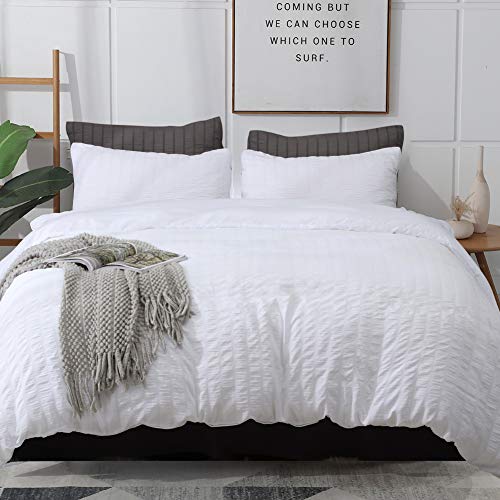
[MODERN SEERSUCKER DESIGN] Are you tired of smooth, plain duvet covers without design sense? Now our designers have been studying for a long time and designed a seersucker fabric. This fabric has a layer of wrinkled seersucker which brings a unique sense of elegance. It feels soft and wrinkled. Compared to the other same solid color products, the seemingly irregular folds are embellished with the unique individuality and artistic sense of the duvet cover, which makes it look more beautiful.

★【Unique Design&A Perfect Holiday Gift】--Features a vintage striped pattern in rich, earthy tones like terracotta red, oatmeal brown, and turquoise green, blending retro charm with modern aesthetics. Combines vintage aesthetic and minimalist design, making it versatile for various decor themes.Perfect for daughter, son, husband, wife, kid, friend, guest, family, also a GREAT GIFT for weddings, birthdays, Mother’s Day, Valentine’s Day, homecoming, Christmas, holidays and more.

Queen Size Duvet Cover Set: 3 pieces queen size duvet cover set includes one duvet cover 90" x 90" and 2 pillow shams 20" x 26". Comforter/insert not included
Layer Bedroom Textures Without Visual Clutter
Texture is the trickiest element in bedroom design. Invite too many textures and you create visual chaos; invite too few and the room lacks dimension. Restraint is essential. Start with a quiet color palette, then let texture provide the visual interest.
- Mix soft bedding, plush throws, and tactile headboards with wood, metal, or woven surfaces for depth without crowding
- Keep colors restrained so matte paint, satin textiles, and natural fibers can shine without competing
- Pair chunky knits or ribbed wallpaper with clean, simple furniture silhouettes
- Alternate finishes, matte walls, satin linens, natural wood, for subtle contrast that feels layered rather than busy
- Anchor with one bold textured focal point, like a paneled wall, and keep everything else quietly textured
This approach creates a bedroom that feels intentional and cohesive rather than scattered.

TRUSTWORTHY QUALITY-Made from solid wood,the wood wax oil coating penetrates the interior of the wood, making the wood more textured,the interior is lined with luxurious velvet,keeping your valuable collection neat and tidy.

EXQUISITELY CRAFTED: Measuring 54''W* 16'' D *31.2'' H. With warm natural oak grain, this transitional 7-drawer dresser brings a warm presence to your bedroom/living room. Beautified with 4 solid wood feet & and the solid wood column decor which is wonderfully easy on the eyes. Paired with the unique antique-tone pulls which is made for years of satisfaction. IT COMES WITH A WHOLE SET BEDROOM FURNITURE COLLECTION TO PAIR

Classic Retro Style - With its clean lines, warm walnut grain, and quietly classic silhouette, this dresser offers vintage character that never feels forced. The antique-style metal handles provide a delicate touch of contrast—enough to catch your eye, but subtle enough to fit seamlessly into any bedroom. Whether placed alone or beside matching furniture, it creates a warm, nostalgic atmosphere that feels natural.
Zone Your Bedroom for Sleep, Work, and Rest
Zoning changed everything. I used to toss and turn until I moved my desk to the opposite corner. Suddenly, my bed meant rest, not work.
Start your space zoning with the sleeping area. Keep it separate, calm, and media-free. Use a rug to anchor the bed as a visual signal for unwinding. Position your dressing zone near the entrance for streamlined mornings that reduce chaos. I placed my wardrobe there with storage within arm’s reach, so clutter never invades my sleep sanctuary.
Need a sitting nook? A chair angled away from both zones creates breathing room. Maintain 60–70 cm pathways. I’ve stubbed enough toes to know this matters. These invisible boundaries transform one room into three purposeful spaces. When everything has its place, you’ll notice the difference in how you sleep and rest.

Personalized & Meaningful Gift Elevate your home with a personalized touch. This Mahkota-inspired headboard serves as a unique personalized statement piece or a thoughtful meaningful gift, adding a deep, symbolic connection to your boho bedroom decor collection.
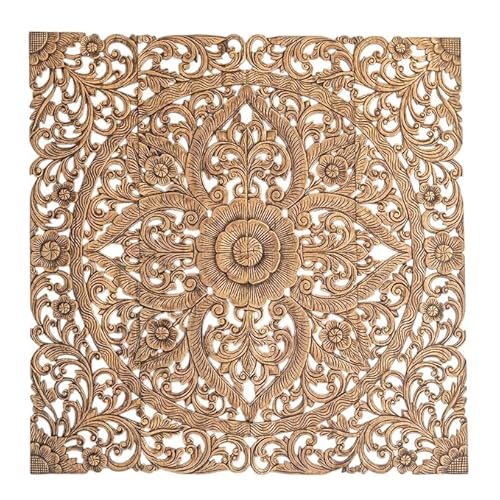
California King, 72”W x 72”H x 0.7"D, 24 kg
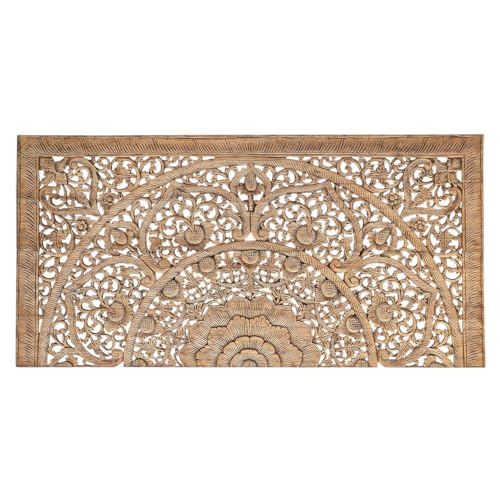
King, 76”W x 38”H x 0.7”D, approx. 14 kg
Run the Final Cohesion Check: 3 Questions Before You Finish?
How do you know when a bedroom’s truly finished, not just decorated? Bedroom design isn’t about checking boxes. It’s about feeling at home when you walk through the door.
A bedroom isn’t finished when the last box is checked—it’s finished when you finally feel like you belong.
Before calling any space complete, run through three quick questions.
- Does every element feel like it belongs here, or did something sneak in that doesn’t fit the story?
- When you move from the bed to the dresser to that cozy reading corner, does the flow feel natural, not forced?
- Does the light shift beautifully from morning coffee to evening wind-down, and do the textures welcome you back each day?
If you’ve nodded along to these questions, your space is done. Your instinct is reliable. It’s your space telling you you’re exactly where you should be.

1. Cute themed 9-shade cool tone eyeshadow palette, mix matte & shimmer white, silver, gray and jet black, perfectly fit light, medium and deep complexions. Compact size 12*12*1.2cm, net content 20g/0.7oz, easy to carry for daily travel

The composition centers on a long-maned white horse emerging from a dark background, supported by soft hair detail.

The composition centers on a long-maned white horse emerging from a dark background, supported by soft hair detail.