
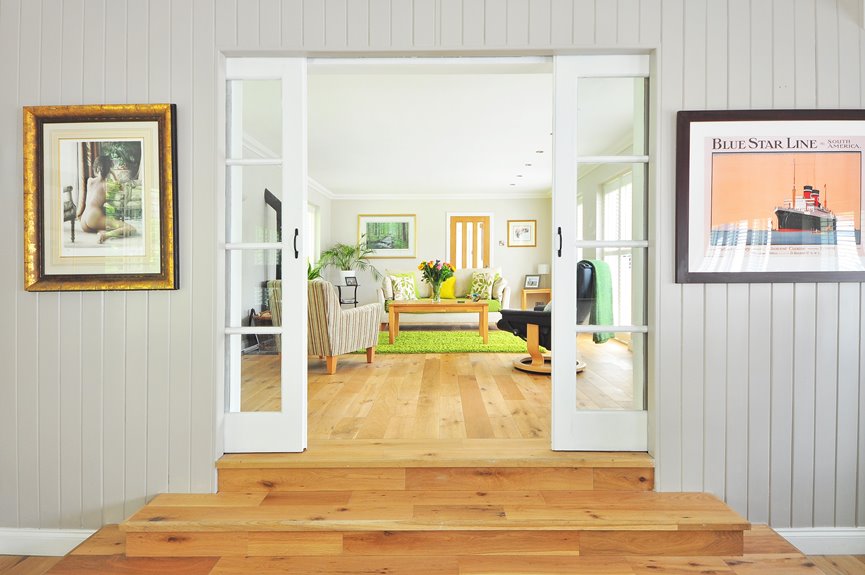
I’ve redesigned enough living rooms to know that staring at the same four walls for years can make you desperate enough to move the sofa three times in one afternoon, only to end up exactly where you started. Start by setting a clear goal and identifying your focal point. This could be a fireplace mantle or a specific sightline to the TV. Then audit every piece of furniture with ruthless honesty: keep what grounds the space, reupholster what you love but doesn’t fit, and replace anything that blocks your flow. Gather inspiration from Houzz or Pinterest until a color palette emerges that genuinely excites you, then arrange seating in clusters that face each other or share that focal point. Layer in floor lamps, textured throws, and a few well-placed trays to corral the clutter, and the room will finally function properly. Each step contains more complexity than the surface suggests.
Start Your Living Room Redesign: Goal and Connecting Rooms
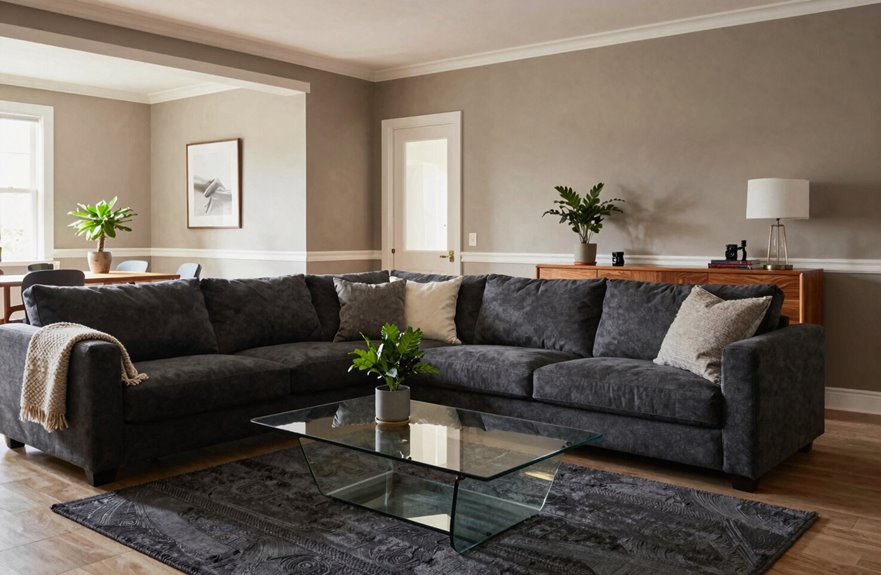
When I first moved into my place, the living room felt like someone else’s idea of home. It was functional enough, but not mine. I needed a living room redesign with a clear goal: creating a space where I’d actually want to spend time.
My open floor plan presented both opportunity and challenge. Without walls to define spaces, I had to think deliberately about seating zones. I chose a focal point first: my fireplace mantle, which anchored the room emotionally and visually. Then came TV placement, the trickiest decision. I tested angles for sightlines from multiple spots, ensuring flow and connectivity between conversation areas and the screen. The result was rooms that work together and a home that finally feels like mine.

Create a Bright, Graceful Focal Point: This round beaded wall mirror combines a larger curved silhouette with raised inner detailing for a softer, more curated decorative presence

MOON PHASE MIRROR WALL DECOR: This unique moon phase mirror set with birds creates a striking gothic and witchy focal point, instantly elevating bedrooms, living rooms, or spiritual spaces.

🖼️ [ELEVATE YOUR DECOR WITH TIMELESS ELEGANCE] : Transform your space with captivating modern wall sculptures designed to enhance any room. Crafted with meticulous attention to detail, these pieces effortlessly combine artistry and sophistication, creating a stunning focal point for your home decor.
Audit Your Living Room Furniture: Keep, Repurpose, or Replace
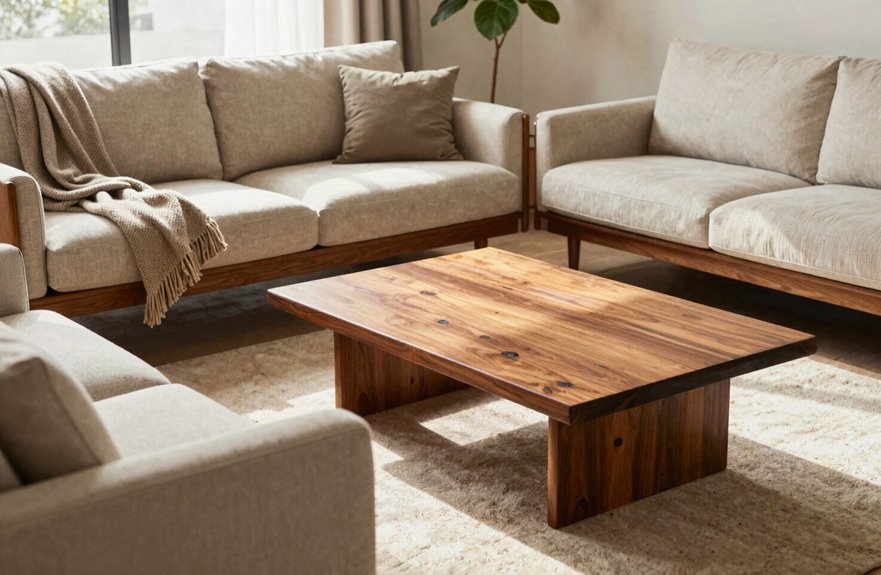
Where do you even begin when your living room’s stuffed with years of accumulated stuff? Start by auditing furniture piece by piece, asking what serves your new layout and what blocks your vision. Keep anchors that ground the space: a solid buffet, a beloved chair. Repurpose through reupholstering, refreshing scale without sacrificing comfort. Replace what breaks the flow.
| Action | What I Consider |
|---|---|
| Keep | Anchors aligning with new vision |
| Repurpose | Beloved pieces needing refresh |
| Replace | Items hindering movement |
| Evaluate | Proportion of sofa, rug, art |
| Ensure | Cohesion across all choices |
Be ruthless about proportion. Oversized pieces shrink rooms, while tiny ones feel lost. Getting scale right now prevents regrets later.

CUSTOM FIT: Our newest modern stretch sofa slipcovers are constructed with 3 PIECE style (including 1 base cover and 2 individual cushion covers). Allow you to create the custom upholstered look. Best fits sofas 58 to 70 inches wide (outside arm to outside arm, straight across), 36 to 40 inches tall. Each individual cushion cover fits up to 19.6 to 29.5 inches length, 21.6 to 30.5 inches width, 2 to 10 inches height

【Upgraded Fabric】 The 1-piece couch cover is made from 85% polyester and 15% spandex fabric. This highly textured material makes the sofa slipcovers more soft, comfortable, anti-wrinkle and skin-friendly. The couch covers for 3 cushion couch are specially produced with small checks which is delicate and fashionable, refresh your sofa immediately. These high stretchy sofa furniture protector can fit most types of sofa like t-cushion couch, box cushion sofa and high back couches

1.WHAT YOU WILL GET: 1*Seat Cushion Cover S. Suitable for sofa cushions with Length: 23-35 inches, Width: 21-31 inches, Height: 4-9 inches.This sectional couch cover is tailor-made for your sofa and can effectively resist stains, dust, pet hair and daily wear and tear.Made of soft Polar Fleece fabric, it adds a cozy and warm touch to your seat.
Pick Your Colors and Pull Inspiration That Clicks
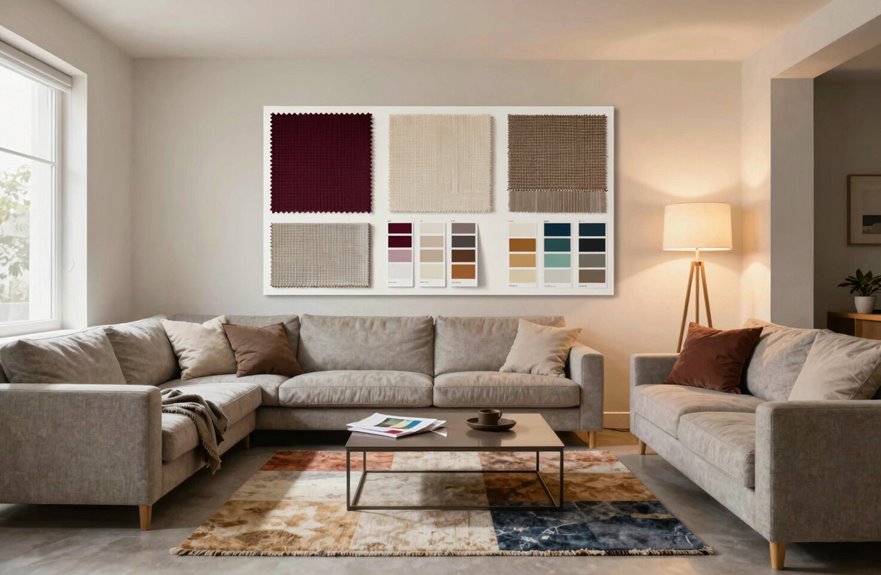
With your furniture sorted and space cleared, it’s time to figure out what this room actually wants to look like. I start by gathering inspiration everywhere: Houzz, Pinterest, Instagram, even that cozy coffee shop downtown. I save images obsessively, hunting for patterns in what draws me in.
Here’s what I’m looking for:
- A main color that makes me exhale when I see it
- Two accent colors I won’t tire of quickly, since they’re cheaper to swap later
- Texture and pattern combinations that feel collected, not chaotic
My color strategy ties everything together: walls, surfaces, fabrics, rugs. I check adjacent rooms too; belonging means flow, not jarring transitions. Once my color palette clicks, dressing the space becomes almost effortless. The cohesive look emerges from this foundation.

【Full-body Boucle Fabric Settee: Our small love seat is wrapped in luxurious Boucle fabric, offering a soft and cozy touch that elevates your seating experience; This high-quality fabric adds a touch of elegance to your living space, making it a perfect choice as an office couch for small spaces or a stylish small office c

CUSTOMER-DRIVEN IMPROVEMENTS – Enhanced armrests and newly added side storage pocket for improved functionality and convenience. Original comfort level and sizing preserved

Modern Oversized Accent Chair: This comfy reading chair features a sleek, contemporary design with an arched backrest and curved armrests. Its clean lines and elegant shape blend seamlessly into any living room, bedroom, or study, adding a touch of sophistication to your space
Arrange Furniture for Conversation and Comfortable Flow
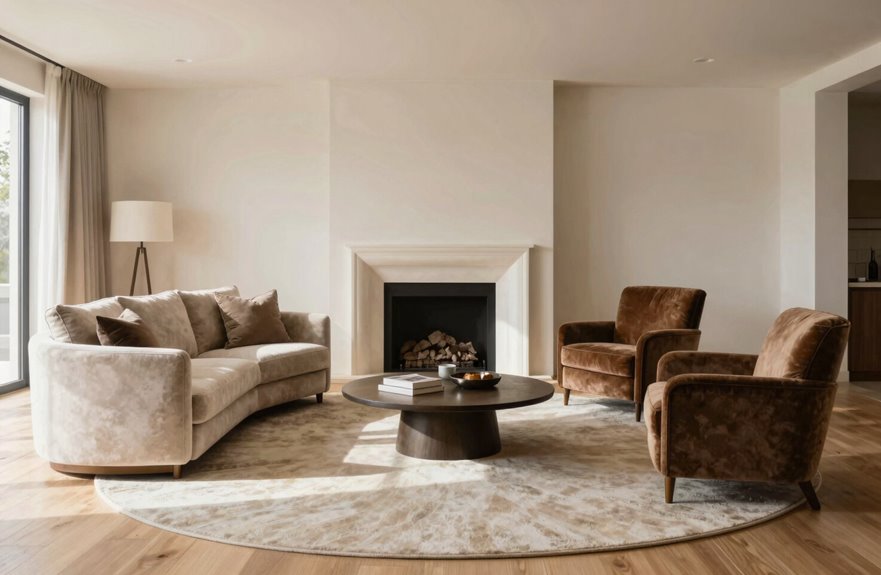
I arrange seating to face each other, or toward a shared focal point like the fireplace. No one wants to crane their necks. Two seating clusters work wonders: intimate corners for deep talks, open space for bigger gatherings. I keep sightlines clear, so no one feels excluded.
For flow, I separate my TV zone from the fireplace wall. Distinct areas reduce clutter. Flexible surfaces like small ottomans and nesting tables let me reconfigure quickly when friends arrive.
| Challenge | Quick Fix | Belonging Boost |
|---|---|---|
| Awkward angles | Float seating away from walls | Everyone sees each other |
| One huge sofa | Split into two seating clusters | Cozier, more inclusive |
| Blocked fireplace | Trim furniture, clear sightlines | Shared warmth for all |
| Rigid layout | Add flexible surfaces | Adapt to any group size |

ONLY 1 Beige Lamp Shade Included: please noted that this version comes only one piece beige lampshade. Please check carefully before you place order.

Note: This floor lamp is 53.7 inches tall and offers a maximum brightness of 1,000 lumens, making it best suited for corners and small spaces. The official app download link is provided on the package in the form of QR code. Please make sure to download and use the genuine App for the full experience. It supports 2.4GHz network only. Remote control is not included.

A FULLY FUNCTIONAL, STYLISH AND MODERN FLOOR LAMP: A fantastic product. The floor lamp is of very good quality, sturdy and durable, with rich color changes, bright and soft light, which is soothing to look at. When you light up one of these ambient lamps in your home or party, it will attract a lot of attention, a great product to recommend to friends, neighbors and family
Finish With Lighting, Textiles, and Trays That Add Warmth
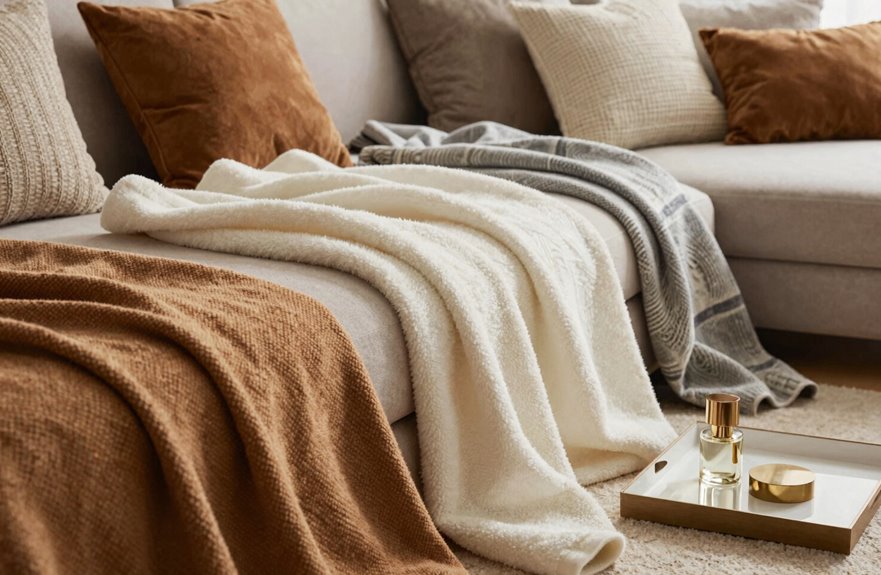
Once the furniture’s settled, I turn to the layers that make a room feel lived-in rather than staged.
I start with lighting. Layer ambient lighting through a floor lamp and table lamp to kill the overheads when you’re winding down. Vary heights, avoid matching pairs, and let color do the unifying work.
Textiles come next. Drape a throw or two, casual or folded, for that warmth you actually use. Mixing textures, soft against hard with a metallic glint, keeps things interesting without trying too hard.
Trays ground the chaos. They corral remotes, candles, the random stuff of real life.
What pulls it together:
- A floor lamp casting pools of light where you actually sit
- A rumpled linen throw waiting on the armchair
- A rectangular tray anchoring your coffee table’s daily clutter

QUALITY MATERIAL: The pillow cover is composed of a soft and comfy corduroy which is a kind of polyester fabric, features a cute and elegant boho stripe design. Our pillow covers are of good workmanship, they are tightly sewn without loose threads.

Velvet Fabric: Gold color with throw pillow covers is made of 280gsm thick premium velvet fabric - super soft and comfortable to use, durable long-lasting and fade-resistant shrink-resistant.The square pillow covers paired with gold chic solid color - suitable for spring, summer, autumn, and winter season, is luxury and minimalist - used for couch sofa decoration.

SOFT & COZY CHENILLE TEXTURE: Indulge in the ultimate comfort with our premium chenille pillow covers. Expertly crafted from high-quality, luxurious chenille, they offer a super soft touch and a rich, velvety texture, providing a wonderfully cozy feel that invites relaxation.