
I learned the hard way that a 6×9 rug under my king bed felt like a postage stamp, while a properly sized 9×12 transformed my bedroom into something worthy of a Sunday morning linger. For most king beds, which measure 76 by 80 inches, you want 18 to 24 inches of plush landing on three sides, which lands you squarely at that versatile 9×12 sweet spot.
Smaller rooms might squeeze by with an 8×10, especially if you’re tucking it under just the lower two-thirds of the bed, while spacious layouts can handle a grounding 10×14 that swallows nightstands, benches, and accent chairs whole.
Stick to low-pile wool blends or stain-resistant polypropylene for durability that doesn’t fight your vacuum, and always tape out dimensions with painter’s tape before you buy. Flanking your main rug with coordinated 2–3 foot runners frames the sleep space without crowding your nightstands.
How to Choose the Right King Bed Rug Size
Where do you even start when the internet swears you need a rug the size of a small boat? I’ve been there, standing in my bedroom with a tape measure, wondering if I’m about to make a costly mistake.
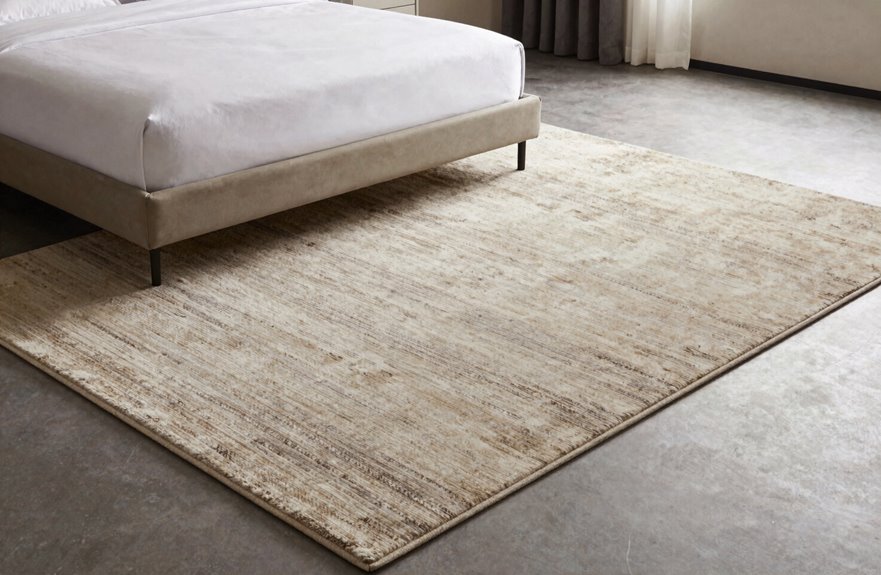
Your standard king bed stretches 76 by 80 inches, so aim for a rug that extends 18 to 24 inches past every side. That gives you soft landings, visual balance, and a pulled-together feeling.
For rug placement, positioning nightstands fully on the rug creates a flawless, symmetrical moment that makes the whole room feel intentional. In tighter spaces, an 8×10 with partial coverage works well, or a 6×9 tucked at the foot provides a minimalist approach. The right rug size depends on what makes your space feel like home, not on following rigid rules.

Ultra Soft area rug: Sink into plush comfort with a 1.7-inch high-pile, delivering cloud-like softness ideal for relaxation in your living room or bedroom.
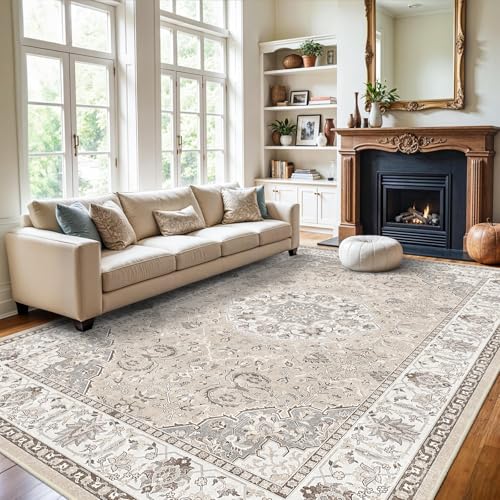
Great Value & Chic Style: This 9x12 area rug adds a vibrant touch to your living room with its beautiful colors and subtle pattern that complements your furniture and decor. It's soft to the touch and looks as elegant as more expensive entryway rugs, offering excellent value for its quality.

PET FRIENDLY & NON-SLIP BACKING-9x12 area rugs featuring simple of colors while promising a luxurious feel underfoot. The blend of a hexagon pattern and a stylish design. Non-slip TPR backing makes the covering for bringing your space together. Make the most of your time at home with our pet-friendly and easy-to-clean area rugs. Elevate the floors of your home with this show-stopping and detailed rug
9×12 King Bed Rugs: The Most Versatile Choice
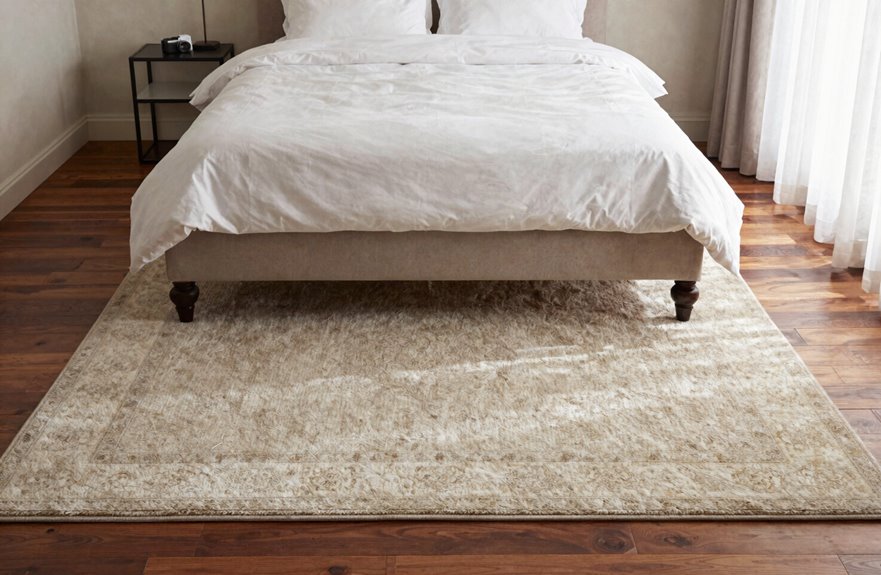
I find that a 9×12 rug hits the sweet spot for most bedrooms, providing roughly 18 to 24 inches of plush landing space on all three exposed sides of your king bed. You’ll want to look for a room that’s at least 11 by 14 feet; anything smaller and you’re fighting the walls, anything larger and the rug can look adrift. That generous side coverage means both nightstands sit comfortably on the rug, which creates a cohesive sleeping area and keeps your feet warm on midnight bathroom trips.

Great Value & Chic Style: This 10x14 area rug adds a vibrant touch to your living room with its beautiful colors and subtle pattern that complements your furniture and decor. It's soft to the touch and looks as elegant as more expensive entryway rugs, offering excellent value for its quality.

MACHINE WASHABLE: You can toss this lightweight rug into the washing machine for a quick wash with cold water and then dry it without heat, and it comes out just as good as new. Washable rugs are geared to make your life easier especially if you have children or cats and a dog

Soft Rugs for Living Room: Made of 100% polyester with low pile, immerse your feet in softness. You can read on the floor rug, work or take a nap, and enjoy leisure time
Ideal Room Dimensions
How do you know if a 9×12 rug will actually work in your space? I always start by measuring my room dimensions, then subtract about two feet from each wall. This gives me breathing room and prevents that cramped, wall-to-wall look.
For my own bedroom, rug size depends on what you’re working with. In medium-sized rooms, I’ve squeezed in an 8×10 when I needed partial coverage that still anchored the bed. In spacious layouts, a 10×14 fully grounds everything with generous overhang.
Using quick math: your standard king measures 76 by 80 inches. Adding 18 to 24 inches past all sides lands you right at that versatile 9×12 size. Measure your space carefully to ensure the right fit.
Side Coverage Benefits
Why does that extra rug width matter so much? It’s the difference between a bedroom that feels pulled together and one that feels like you’re camping in a furniture store.
I learned this the hard way with my first king bed. I skimped on side coverage, bought a 6×9 rug, and spent two years stepping onto cold hardwood every morning. That changed my approach.
Proper side coverage, eighteen to twenty-four inches beyond your mattress, means your feet land on something soft. It also creates necessary under-bed anchoring, which keeps your rug from sliding around.
For most of us, a 9×12 hits the sweet spot. Medium room? An 8×10 still delivers substantial coverage while leaving breathing room. Your nightstands, your bench, and your morning comfort all benefit.
8×10 King Bed Rugs for Smaller Bedrooms
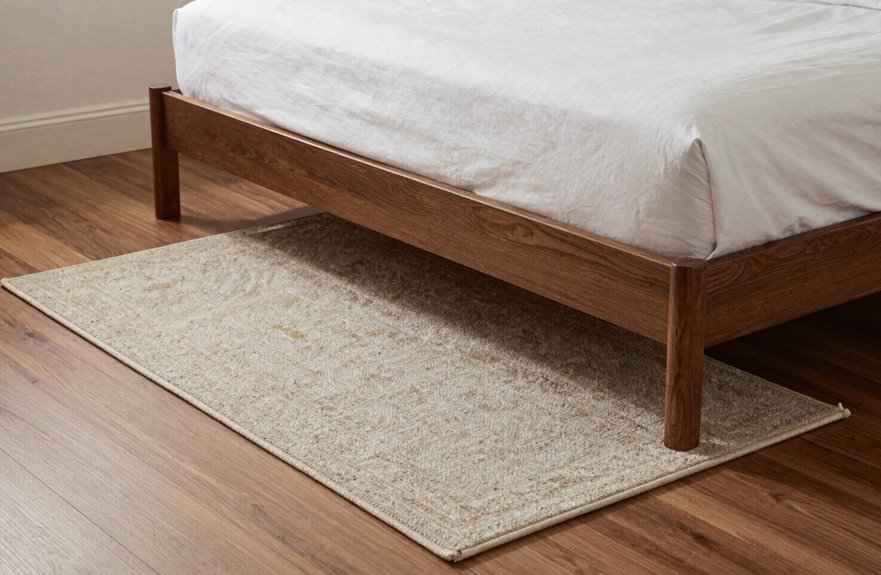
I’ve found that an 8×10 rug hits a sweet spot in tighter bedrooms, giving you just enough coverage to frame the bed’s sides and foot without swallowing the whole floor. You’ll get that polished, intentional look with about 18 to 24 inches showing beyond the mattress while still leaving breathing room for your nightstands to sit partially on, or completely off, the rug depending on your layout. If you’re working with a truly snug space, this size keeps things cohesive without the awkward bulk of something larger.

Soft & Durable: This 8x10 area rug low-pile combines soft faux wool fibers with a 0.25-inch height for comfort. Tight weaving reduces shedding and edge fraying, making it perfect for high-traffic areas like living rooms, bedrooms, and entryways

Classic Vintage Aesthetic: Featuring timeless traditional persian medallion floral patterns with a sophisticated faded distressed finish, this neutral rug brings warm, vintage charm to your home. Perfectly blending with rustic farmhouse, boho, or modern vintage home decor, it instantly enhances any room — making it an ideal 8x10 area rug for living room, bedroom, dining room, or as an cozy focal point for nursery spaces.

Neutral Abstract Rug: This 8'×10' rug features a distressed abstract design in subtle tones, adding a modern, artistic touch to your space. It blends effortlessly with any home style, instantly enhancing your living room, bedroom, dining area, or office
Space-Saving Dimensions
Where exactly does a king-size bed leave room to breathe in a cramped bedroom? I’ve wrestled with this myself.
Space-saving dimensions for your rug under king are all about smart proportion. An 8×10 rug anchors the bed beautifully while keeping precious floor visible. I’ve seen it transform narrow rooms without the bulk. For tighter squeezes, a 6×9 creates that coveted floating feel, minimal but intentional.
What works? Show 18–24 inches of rug beyond your bed’s edges, even scaled down. In my smallest guest room, I tucked the rug under just the lower two-thirds of the bed, about two-thirds coverage, which kept everything grounded without swallowing the space whole.
Designers still reach for 9×12 in compact rooms when two sides and the foot stay visible. It’s about balance, not compromise.
Partial Coverage Benefits
Not every bedroom can handle a rug that swallows the whole floor, and that’s where partial coverage becomes practical. A smaller size, such as 6×9 or 8×10, delivers warmth at the foot of the bed without overwhelming your space. Well-designed bedrooms work at any square footage.
For partial coverage, start the rug under the foot and extend outward, or place it mid-bed for a lighter feel. Your nightstands and benches should still touch the rug’s edge. This keeps everything grounded and symmetrical.
| Coverage Type | Best Size for Small Rooms |
|---|---|
| Foot-of-bed warmth | 6×9 rug |
| Balanced two-thirds look | 8×10 rug |
| Full floor coverage | 9×12 rug (if space allows) |
An 8×10 rug offers the practical advantages of style, versatility, and appropriate scaling for smaller rooms.
Nightstand Placement Tips
How do you keep a king bed from swallowing your whole bedroom? I’ve wrestled with this in my own cramped space, and rug size makes all the difference.
For smaller rooms, I’m partial to an 8×10 rug. It gives you partial coverage, frames your flooring, and doesn’t overwhelm. Nightstands play a key role here. If you’re working with a 9×12, let those nightstands sit right on the rug. It anchors everything, creates symmetry, and creates a more intentional look.
I learned this the hard way. My nightstands floated off the rug for months, and the room looked disjointed. Now I extend my rug 18 to 24 inches beyond the bed when I can, even in tight quarters. Your nightstands deserve that foundation. It pulls the whole look together.
10×14 King Bed Rugs for Spacious Layouts
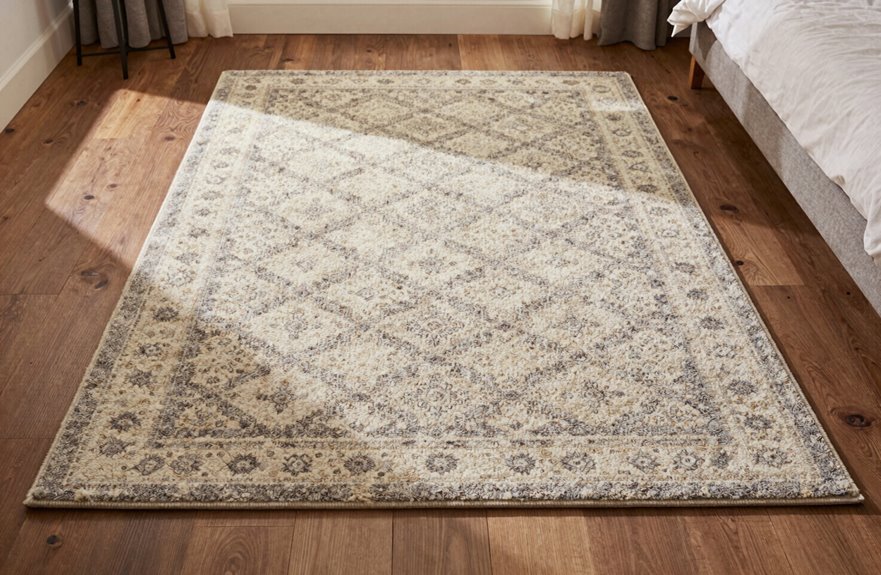
When you’ve got the square footage to play with, why settle for skimpy. I learned this the hard way after cramming a too-small rug under a bed in my first king bed setup. My nightstands floated like islands, and the whole room felt disjointed.
A 10×14 rug changes everything. It anchors your king bed properly, extending 18–24 inches beyond each side. Your nightstands, benches, and even that accent chair finally belong together, resting on one cohesive foundation.
Measure twice and visualize once. Tape out the dimensions on your floor before buying. This size creates a grounded focal point that makes your bedroom feel larger, not crowded. The difference is clear: a room that looks finished versus one that looks incomplete.

MODERN STYLE: Welcome guests with our collection of modern flat woven area rugs, featuring beautiful tone-on-tone or two-toned designs that effortlessly update any space and seamlessly blending with your existing decor or serving as a striking centerpiece.

Tender Touch: Experience the ultimate in with our low-pile polyester modern area rug, providing a cozy cushioned surface that eliminates the need for extra padding. This soft abstract rug insulates your floors, creating a warm and inviting in your living room, bedroom, dining room

Vintage Area Rug Aesthetic: The stylish pieces from the Lonie Collection blend traditional and modern design mixes retro styles with modern art,set on a warm neutral canvas, delicate simple patterns and fresh and warm color palette and tastefully distressed that exudes elegance.
Best Materials for King Bed Rugs: Durability vs. Comfort
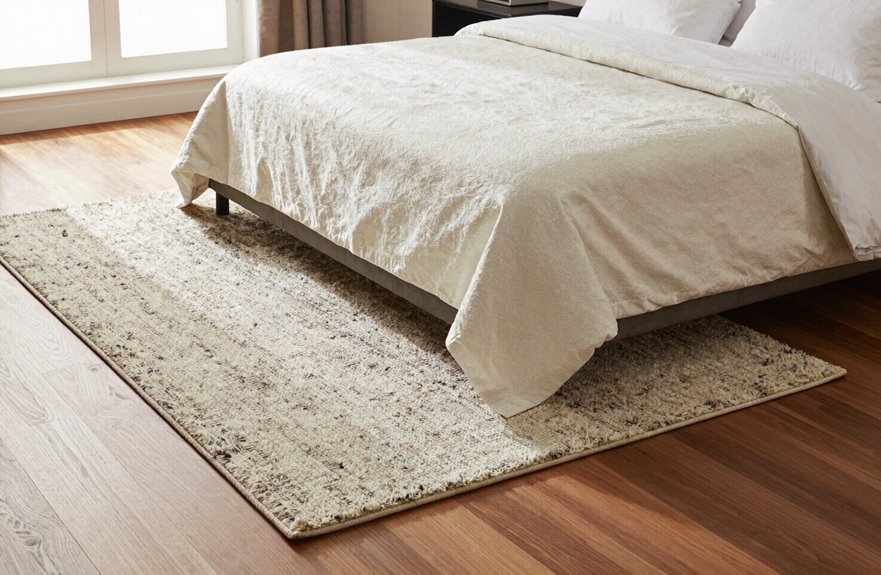
Why does material matter so much more than we’d like to admit? It dictates how our mornings feel underfoot and how long before replacement becomes necessary.
When choosing durability and comfort for king bed rugs, pile height becomes your first essential decision. Low-pile options, around 1/2 inch to 3/4 inch, resist vacuum wear and snagging while still cushioning your step. This works particularly well in cluttered corners where storage bins are kept.
Wool blends provide warmth that ages gracefully with footsteps. For busier households, polypropylene offers stain resistance, and nylon-synthetic blends handle kid-and-pet chaos effectively.
Selecting materials that match your actual life, not your aspirational one, ensures the rug performs when you need it most. Choose based on your household’s real demands, and you’ll sleep soundly.
VERSATILE DESIGN: This outdoor rug has a soft texture that adds comfort to indoor and outdoor spaces alike.

Machine Washable: Say goodbye to worries about spills or stains! This neutral area rug is designed to be stain-resistant and incredibly easy to clean. Simply toss it in the washing machine, use cold water, and hang it to dry or air dry. For everyday maintenance, you can use a robot vacuum, broom, or just wipe it clean. If your vacuum has adjustable power settings, set it to low.

Non-Slip & Safe:Our area rugs feature an advanced non-slip backing that keeps it securely in place, even in high-traffic areas. The anti-slip design ensures safety for both kids and pets, preventing accidental slips and falls. Whether placed in the entryway, laundry room, or bathroom, this rug stays firmly put, offering you peace of mind and a secure footing for your family.
Washable King Bed Rugs That Handle Real Life
I’ve learned the hard way that a beautiful rug under your king bed isn’t much good if you’re panicking every time coffee spills or the dog tracks in mud. That’s why I now prefer easy-care materials like tightly woven polypropylene or wool blends that release stains with nothing more than a quick blot and cold water. Spill-resistant rugs let you actually live in your bedroom instead of just admiring it from the doorway. Look for designs with low piles and treated fibers that won’t trap crumbs or pet hair, and you’ll find yourself vacuuming half as often while still anchoring your space in something that looks intentional rather than apologetic.
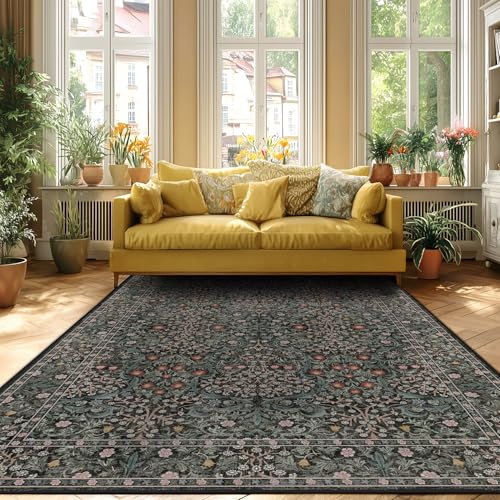
The floral and botanical theme incorporates 19th-century Victorian textile artistry in a rich and harmonious color palette that can add a sense of elegance and sophistication to any space.

Pet-friendly and slip-resistant surface: This area rug has a simple color and a luxurious feel. By using our pet-friendly and easy-to-clean carpet, you can enjoy a better time at home. This design adds a soft and luxurious element to your home, and is very suitable for use as a bedroom carpet, perfectly matching family life.
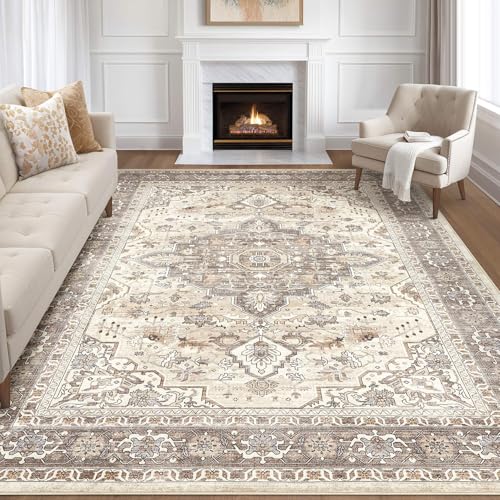
Machine Washable & Vacuum Friendly: Our rugs for living room are washable for easy care. For minor stain, simply vacuum with a hand-held low-power vacuum or shake it off outdoors. For water stain, wipe with a dry towel promptly.
Easy-Care Materials
Most of us don’t have time to baby a rug, which is why easy-care materials have become my go-to recommendation for king beds. I always steer friends toward polypropylene or wool blends because they resist stains, shrug off wear, and still feel inviting underfoot. My own bedroom shift to a washable king bed rug was transformative; I toss it in the machine, pull it out damp, and it dries by evening. Look for low-pile textures, which balance durability with easy vacuuming across high-traffic bedroom floors. For sizing, grab 9×12, 8×10, or 10×14 with 18–24 inches showing beyond your bed. Water- and stain-resistant finishes handle nighttime spills without concern. These materials let you focus on living, not laundering.
Spill-Resistant Designs
When did bedroom rugs get so high-maintenance? I’ve spilled coffee, dropped mascara, and watched my dog track mud across my king bed rug. Life happens. That’s why I switched to spill-resistant, machine-washable options that actually handle reality.
These rugs resist red wine, morning smoothies, and whatever your kids or you knock over. I toss mine in the washer monthly with cold water on a gentle cycle and air dry it. The rug emerges fresh, not frayed. The water-resistant backing buys you time to blot before stains set, while durable fibers withstand bare feet, pet claws, and midnight bathroom trips.
Look for low-pile constructions that won’t trap debris, and check that “machine-washable” means your home washer, not industrial equipment. Your bedroom sanctuary deserves both beauty and functionality.
Low-Pile King Bed Rugs for Easy Maintenance
Why wrestle with a vacuum cleaner wedged under your bed frame when you don’t have to? Thick, plush rugs under king beds become dust traps and create maintenance challenges. Low-pile area rugs work better for this space.
These sleek, short-fibered rugs slide under bed frames without bunching, and you can run your vacuum across them in seconds. No more difficult reaching to clean crumbs hiding in deep shag. Whether you’re working with a generous 9×12, a versatile 8×10, or a compact 6×9 that covers just the lower two-thirds, low-pile construction keeps maintenance manageable. You’ll actually keep up with cleaning, which means your bedroom stays fresh without the struggle.

Vintage Distressed Rugs for Living Room: Add warmth and cozy to your home with our distressed floral living room rug. Featuring a brown beige and orange color scheme, this rug complements your interior style, enhancing the overall aesthetic appeal of your living space. And the carpet is suitable for most home spaces, such as dining room, living room, bedroom, study room, nursery Room, home office, etc

Elegant Floral Rug: This 10x14 area rug vintage-inspired botanical rug blends rich dark greens, vibrant and delicate floral complements any decor style, from vintage and bohemian to farmhouse and modern. Perfect rugs for living room, bedrooms, dining room rugs for under table, entryways, kids' playrooms, or home offices, it adds warmth and charm to any space. Both durable and stylish, it withstands high-traffic areas while maintaining a cozy, inviting appeal
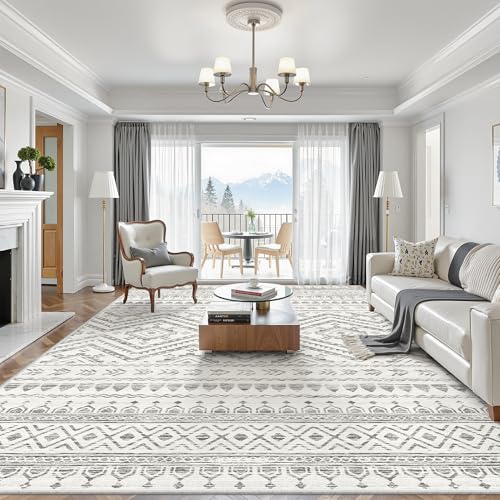
Moroccan-Style Design: This 10x14 Area Rugs features a Moroccan-inspired pattern, combining geometric lines and shapes that effortlessly complement any interior design style.
Runner Pairings: Flanking Your King Bed Rug
Three solid feet of midnight bathroom trekking can feel like a betrayal when your toes hit cold hardwood. Flanking runners solve this problem.
Cold hardwood at midnight is a betrayal your toes never forget.
For your king bed, choose runners extending 18–24 inches beyond the sides. This creates balance and frames your sleep space beautifully. Most runners run 2–3 feet wide, which works well alongside nightstands without crowding them.
Align your runners with your bedside tables, sometimes extending just past them. The symmetry grounds the whole room and provides soft landing strips where you actually walk.
Your runners should complement, not compete with, your main rug. Pair that 9×12 under the bed with low-pile, muted runners. Choose textures that hide traffic and tones that coordinate quietly. Think of it as layering: foundation rug, accent runners, cohesive calm.

【Premium Materials】: This shag area rugs for bedroom made of ultra soft faux fur on top, Velvet surface on the shaggy plush fuzzy rug doesn't shed easily, or have smelly odor. Perfect for people playing on the fine throw rugs for living room.

Soft Comfort & Certified Materials — Made from soft 100% polyester carpet material certified to OEKO-TEX STANDARD 100, this washable rug offers a cozy, comfortable feel underfoot. Available in compact, runner, and room-size options, it adds warmth to entryways, hallways, bedrooms, home offices, living rooms, and dining areas. Inviting for barefoot use and active households, it brings together everyday comfort, versatile style, and trusted material standards.

Classic Vintage Aesthetic: Featuring timeless traditional persian medallion floral patterns with a sophisticated faded distressed finish, this living room rug brings warm, vintage charm to your home. Perfectly blending with rustic farmhouse, boho, or modern vintage home decor, it instantly enhances any room — making it an ideal 8x10 area rug for living room, bedroom, dining room, home office, or as an cozy focal point for nursery spaces.
How to Position and Install Your King Bed Rug
Where exactly should that rug go, under every leg, or just creeping out from beneath the footboard? With a standard king measuring 76 by 80 inches, I recommend extending your rug 18–24 inches beyond all sides, the optimal proportion for visual balance. For my own bedroom, I chose the full-placement approach: bed plus nightstands, all anchored together. This creates a cohesive, intentional look.
| Room Size | Rug Dimensions | Positioning Strategy |
|---|---|---|
| Large | 10×14 | Full placement, 24″ extension |
| Standard | 9×12 | Complete bed coverage |
| Medium | 9×12 | Two-thirds under bed length |
| Compact | 8×10 | Lower half placement |
| Tight | 8×10 | 18″ extension at foot only |
A rug under a king should welcome bare feet first thing in the morning. Design for visual symmetry, avoid floating furniture, and focus on creating a bedroom that functions as a sanctuary rather than a showroom.

【Machine Washable & Easy Care】 Made for real life with kids, pets, and everyday messes, this washable area rug is easy to maintain and keeps your space looking fresh. The water-resistant surface helps prevent spills from quickly soaking in, giving you time to wipe away coffee, juice, pet accidents, or food stains with a towel. For daily care, simply vacuum or shake off dust and pet hair. For deeper cleaning, machine wash separately in cold water on a gentle cycle and air dry naturally. No complicated maintenance needed.
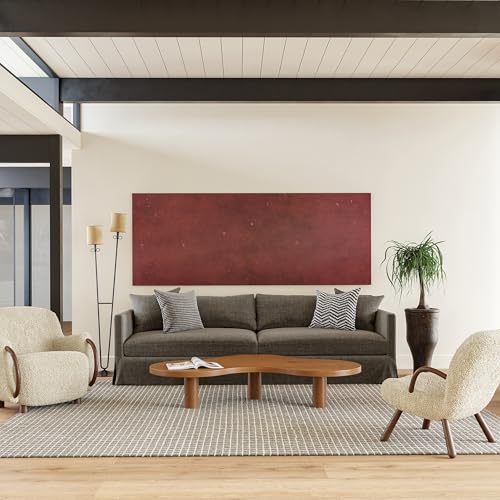
A sleek and functional .25" pile height for convenient placement underneath furniture and entryways
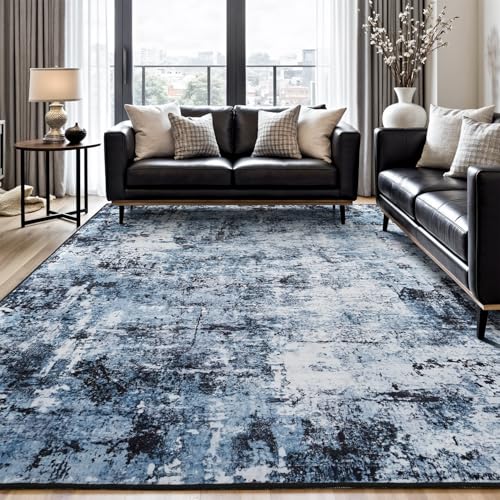
Modern Abstract Rug: Evokes the essence of ocean and sea foam, blending neutral tones of navy blue and black with abstract artistry. Offers a lived-in charm while effectively hiding messes, great for living room, bedroom, dining room, nursery room, playroom, classroom or dorm
Where to Buy Quality King Bed Rugs on Any Budget
So you’ve mapped out your space and know exactly what size you need. Now comes the actual shopping.
I’ve hunted for rugs everywhere, from dusty estate sales to midnight scrolls through online marketplaces, and I’ve learned where the real gems hide. For the best rug size for king beds, I always start with retailers like Rugs USA and Wayfair. They offer abundant selections of 9x12s and 10x14s at reasonable prices. West Elm and CB2 deliver when I want something that feels curated and special.
On a tighter budget, I’ve found stunning 8x10s at Overstock and Target that perform well. For vintage character, I dig through Etsy and Chairish. Those one-of-a-kind finds give a room authentic personality.
Measure twice, read reviews, and verify your choices before purchasing.

[COLOR & PATTERN]: SAFAVIEH's Monaco area rug features a pink-toned field with an ornate medallion, framed by a multicolor-toned floral border; actual color may appear darker or lighter than shown, depending on lighting and screen settings

Solo Solid Shag Collection by Unique Loom features luxurious shag rugs in 22 gorgeous colors. Lush and soft, you’ll fall in love with this amazing rug. Imagine sinking your bare feet into the lavish pile of this extravagant rug! You’ll be the envy of everyone who visits your home with the magnificent color from your Solo Solid Shag rug.

Designed to withstand everyday wear, this 6' 1 x 9' area rug is the perfect size for living rooms, bedrooms, or home offices, anywhere you want to add a touch of vintage elegance.