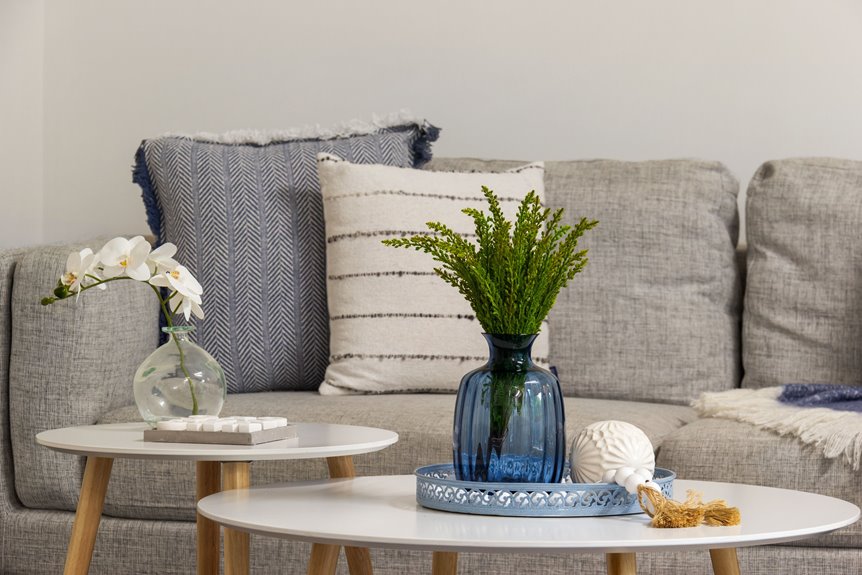
I start with a tray that actually fits the surface. Too small and it vanishes; too large and I’m just shuffling clutter around. Then I build three asymmetric clusters at roughly four and eight o’clock around a taller central piece, stacking slim books with spines inward and topping them with varied heights: a squat candle, a bud vase, something vertical that catches light. I weave in ceramic, wood, and woven textures, break horizontal planes with tall stems or air plants, and tuck a lidded box within arm’s reach to swallow remotes before they ruin everything.
The final test is sitting everywhere. Couch, accent chair, ottoman edge. This confirms balance and reachability, because beauty without function creates a furniture arrangement that doesn’t work in daily life.
Anchor Your Round Coffee Table With a Tray
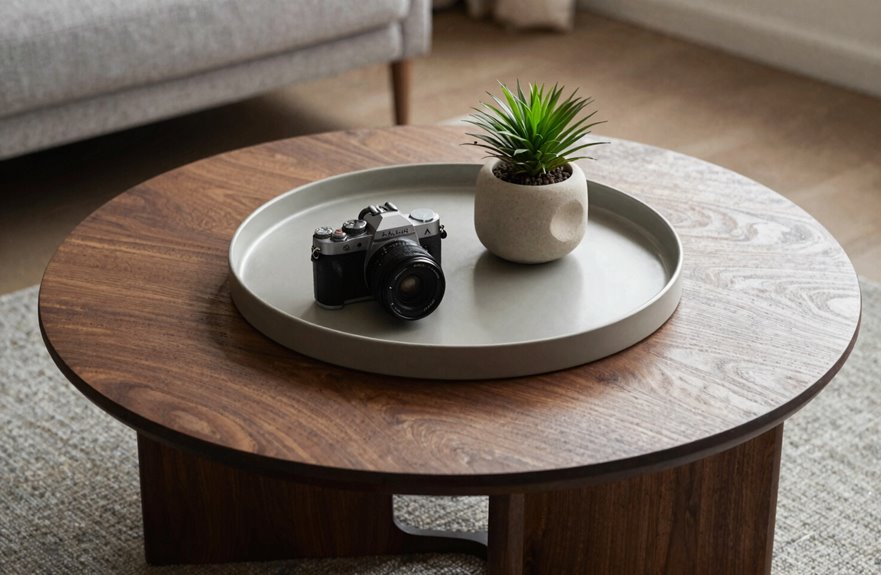
I pick materials that match my table’s personality: wood for coziness, marble when I’m feeling fancy, metal for clean lines. Size matters, though. Too small and it disappears; too big and I’m playing Tetris just to set down my mug.
Organization becomes satisfying when you corral coasters, beads, and that tiny vase you love inside the tray. Everything stays accessible but contained.
Layer your pieces strategically. Place taller items behind or beside your tray, adding depth without blocking the remote. This approach creates an intentional, lived-in look.

Farmhouse Decoration Set: this white farmhouse tray set includes a sturdy 12 inch wooden bead tray with fashionable colors; 2 pots of artificial plant potted plants, as well as a unique white wooden bead wreath and wooden bead can be placed on a circular tray and used together to fill the gaps on the living room table and showcase your personal decorative style
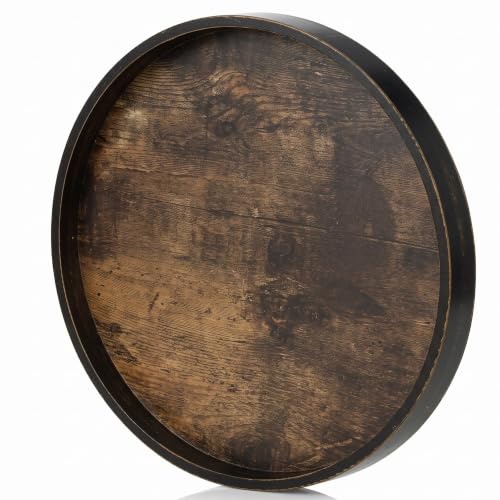
Aesthetic & Practical:Perfect for living room coffee tables, entryways, side tables and dining table centers. This decorative tray holds candle holder, coasters, vases, Figurines or statue, and small accessories. It keeps spaces tidy while improving table decor
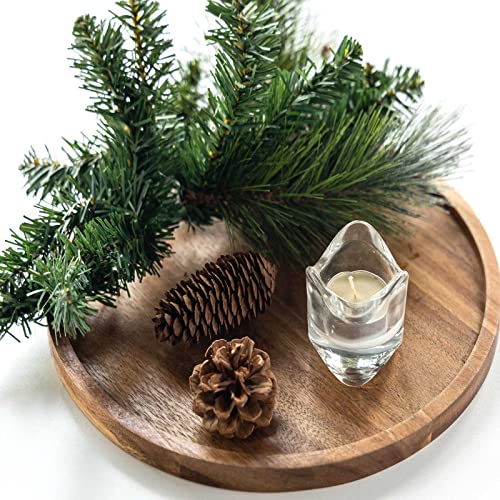
✔️ Natural Wood - Our wooden trays for decor are made of premium Acacia wood. We only use 100% natural wood.
Create Three Asymmetric Clusters Using the Rule of Threes
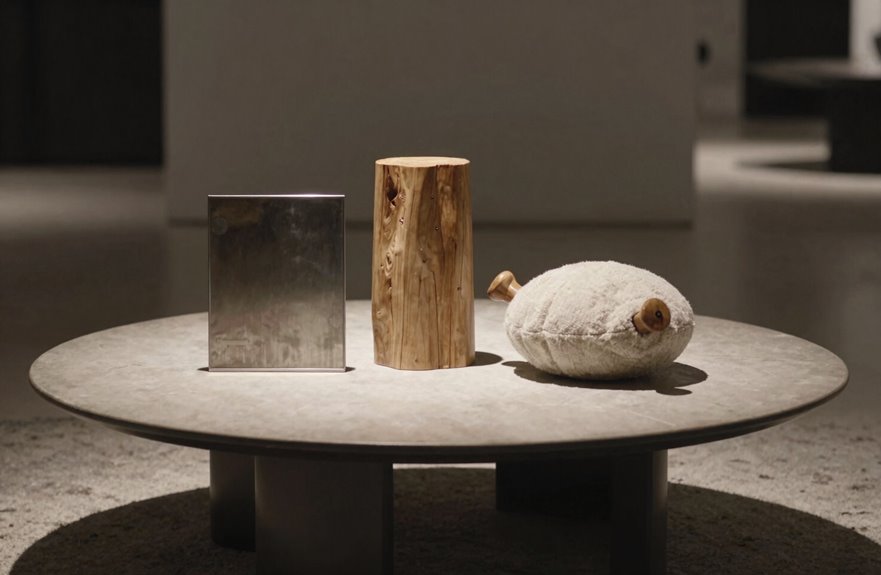
I like to think of my round coffee table as a little stage where three small scenes play out at once, each cluster telling its own story while working together as a trio. I’ll place my tallest piece, maybe a ceramic vase or a weird little sculpture I found at a flea market, near the center, then angle two smaller clusters at roughly four and eight o’clock to form a loose triangle that keeps your eye moving. Within each group, I’ll stack two or three slim books with their spines facing the middle, then top them with objects at different heights: a squat candle, a medium bud vase, something with a little vertical lift. Always leave a hand’s width of open surface between clusters so guests can actually set down their coffee without starting a game of Jenga.

Practical Storage, But Make It Stylish: ZICOTO’s decorative storage boxes with lids keep your essentials neatly organized and add a sophisticated touch to any space. Perfect for storing jewelry, keepsakes, power cords, office supplies & more - all within easy reach

Beautifully Master the Art of Organizing: Sleek, structured and designed to organize everything from photos and postcards to scrapbook treasures, ZICOTO’s decorative storage boxes with lids are made to keep your world tidy in style!
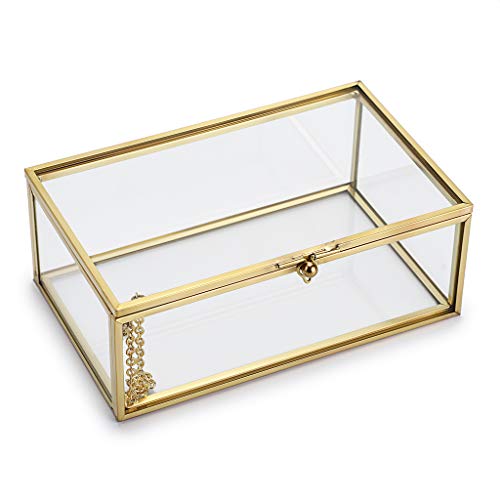
Product Infos - Size: (L*W*H) :5.7"x 3.54"x 2.36 " ; Please clean the ring box with glass cleaner and soft cloth( Jewelry and accessories are NOT included ! Please pay attention to the size before purchasing)
Cluster Placement Strategy
How do you keep a round coffee table from looking like a chaotic yard sale. I use cluster placement and the rule of threes. I arrange three asymmetric clusters at triangular points around the surface, connecting dots into a loose triangle. Each cluster gets three items, grouped with trays or bowls to corral smaller pieces. I start with one bold central piece, then build the other two clusters around it. This leaves breathing room for drinks and feet, which prevents spills and allows comfortable seating.
| Cluster | Position | Items |
|---|---|---|
| Center | Middle of table | Large sculptural vase |
| Cluster 1 | Left third | Tray with candle, beads, coaster |
| Cluster 2 | Right third | Stacked books with small plant |
Height Variation Techniques
Where do you start when every surface feels flat and lifeless? I grab three objects, then three more, then three again. Suddenly my round table decor comes alive.
I arrange three asymmetric clusters in a loose triangle across the surface. One cluster gets a sculptural vase, another stacks books with edges aligned toward the center, the third holds a small plant. Height variation keeps your eye moving: tall, medium, low, repeat. I nestle beads or bowls into gaps so nothing feels crowded, just connected.
This rule of threes works because our brains crave patterns without perfection. Each cluster anchors the next, creating flow around the curve. Your styled coffee table becomes intentional, not accidental. It feels welcoming, not staged.
Once you see this principle in action, you’ll recognize it everywhere.
Stack Books to Build Height Variation
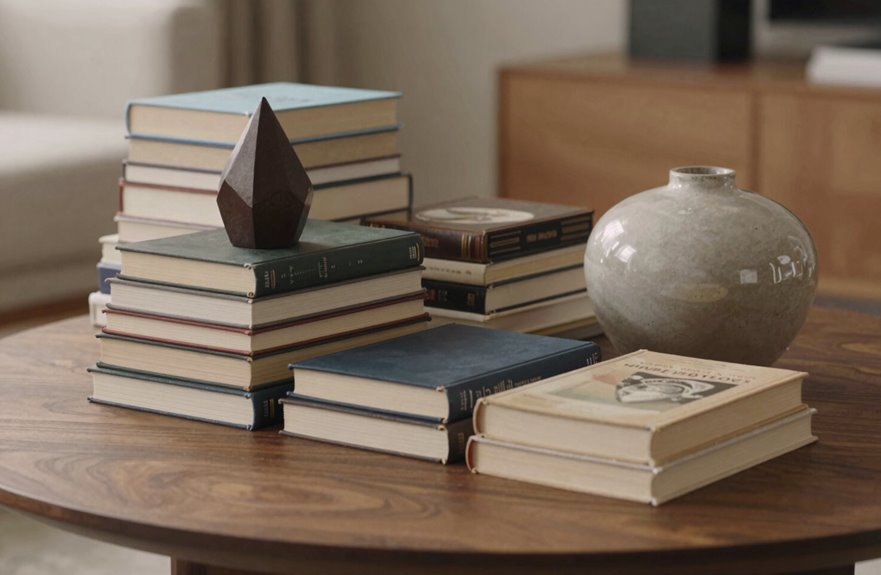
Why do round coffee tables sometimes feel impossible to style? Staring at that empty surface, it’s natural to wonder where to begin. The solution is to stack books to build height variation. This approach transforms a flat surface into a styled vignette with purpose and dimension, creating that collected-over-time feel.
- Align book edges at the center to anchor your focal point
- Build asymmetric stacks—three items per cluster keeps things dynamic
- Layer large books on bottom, smaller on top for natural height variation
- Fill gaps with trays, bowls, or beads to maintain depth
This styling method works because layered surfaces draw the eye and create visual interest. Your guests will naturally pause to appreciate the composition, lingering over their coffee among your carefully curated stacks.
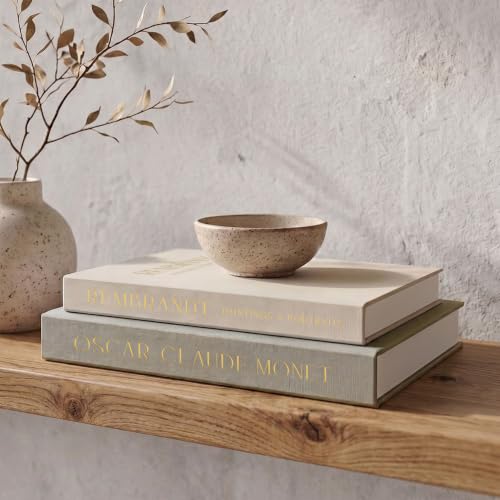
Get Ready To Impress: Transform your space into a realm of sophistication with these realistic decor books! The lovely coffee table books are destined to steal the spotlight as coffee table decor or bookshelf decor, leaving your guests in awe of your aesthetic taste

Transform Your Space with Sophistication: These realistic decor books are destined to steal the spotlight as coffee table decor or bookshelf decor, leaving your guests in awe of your aesthetic taste

Combine Ceramic, Wood, and Woven Textures
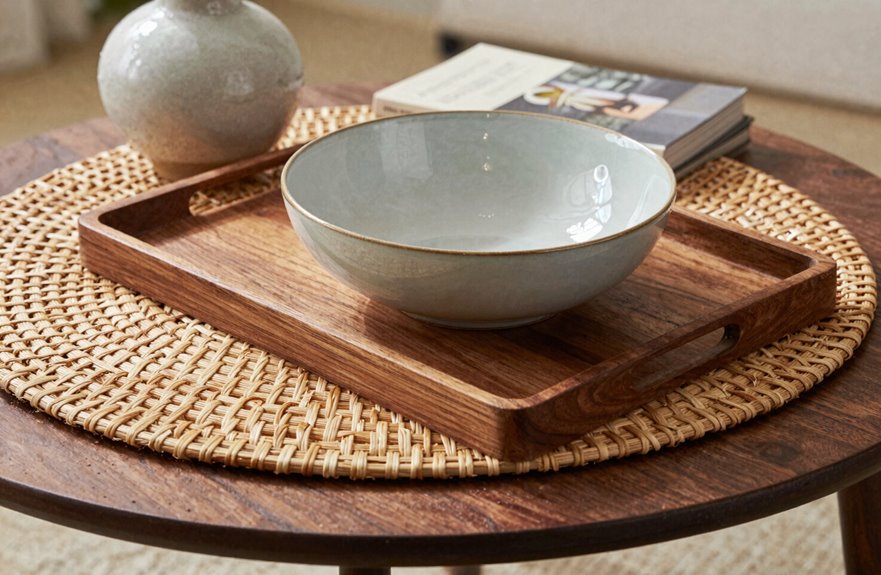
I love how mixing textures instantly wakes up a round surface. Set a glossy ceramic vase next to a matte wood bowl and a woven seagrass tray so your fingers notice the difference before your eyes do. Stick with natural materials that feel honest and lived-in, like raw wood beads or a hand-thrown ceramic piece, rather than anything too polished or plastic. Layer them at different heights; maybe a tall vase, a mid-stack of art books, and a low woven bowl to keep the eye moving without cluttering the curve.
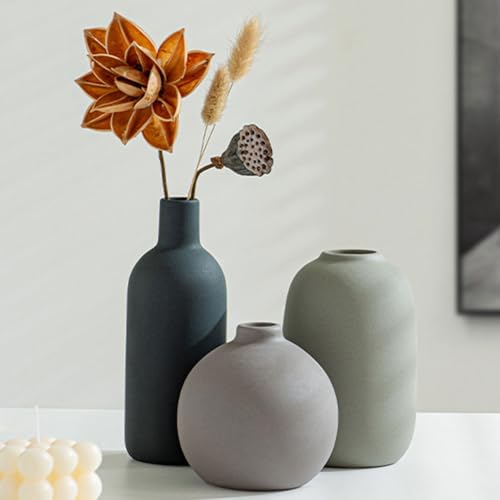
ELEGANT SET OF 3 VASES: Enhance your home's aesthetic with this versatile set of three 8(7)-6-5 inch ceramic vases. Perfect for creating a cohesive yet dynamic look on your mantel, dining table, or as a shelf decor statement piece. Their complementary sizes and styles offer endless styling possibilities
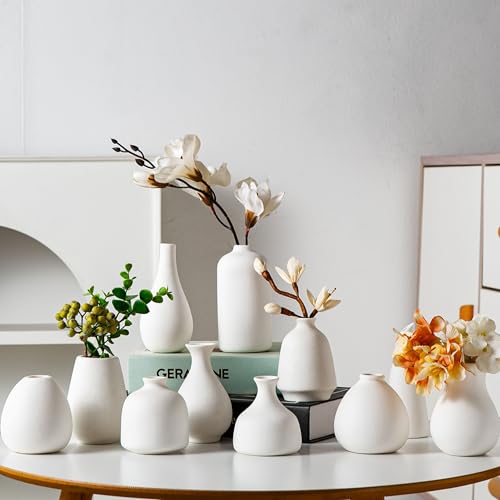
Versatile Design: The Tanvecle Small Vases, Ceramic Bud Vase Set of 11, offers a versatile design that is perfect for decorating with Pampas Grass, flowers, and more. These vases provide endless options for modern home decor and rustic decor, allowing you to effortlessly create stunning arrangements that suit your style and preferences.

【Customizable Matte Surface】Crafted with a smooth matte ceramic finish, these vases are perfect for DIY projects—you can doodle or paint on them to add personal touches (e.g., small patterns, quotes) and turn them into unique decor pieces that match your style.
Mix Textures Strategically
One of the quickest ways to make a round coffee table feel curated rather than chaotic is to deliberately mix textures: ceramic, wood, woven, and everything in between. Layering different surfaces transforms your round coffee table into something that invites touch and lingering.
To build texture without overthinking it:
- Start with a woven tray as your anchor, then nestle a smooth ceramic vase with glossy leaves inside it
- Stack clothbound art books beneath a sculptural piece to create height variation and material contrast
- Cluster three items mixing wood, ceramic, and metal finishes to keep your eye moving
- Balance slick surfaces with bead garlands, rattan coasters, or linen textiles
Vary sheen levels across your arrangement: matte, glossy, metallic. This perceptible difference adds dimension without clutter, making your space feel intentionally designed and visually balanced.
Choose Natural Materials
The round surface practically begs for materials you can actually touch: ceramic, wood, woven fibers. Things that feel like they came from somewhere real. Start with a smooth ceramic vase, then add a woven tray and a wooden book stack. The contrast keeps your fingers curious.
Natural materials soften that curved silhouette beautifully. Wood beads, stoneware bowls, and seagrass trays work well. Choose earthy tones and matte finishes, nothing shiny or loud. Three clusters work best, each mixing ceramic, wood, and woven elements. Odd numbers feel lived-in rather than staged.
Vary the heights by placing taller wood or stoneware pieces beside shorter woven accents. Your eye travels the circle naturally. Textured decor shouldn’t match perfectly; it should feel gathered over time, like pieces you’ve actually collected. A round coffee table styled this way becomes a functional, inviting surface that reflects your personal taste.
Layer for Depth
Once you’ve got your natural materials picked out, the real fun starts in how you arrange them. Layer for depth on your round coffee table by clustering ceramics, wood, and woven textures together.
Here’s how I build those clusters:
- Start with a woven tray as your anchor, then nestle a smooth ceramic vase beside a stack of hardcover books.
- Stack two or three books for height, then crown them with a sculptural ceramic piece that contrasts the woven base.
- Mix finishes by pairing matte ceramics with glossy covers and natural seagrass to create visual contrast.
- Distribute three clusters across your surface, ensuring each material gets its moment in at least one spot.
This approach creates visual depth while keeping everything feeling collected, not cluttered.
Add Height With Tall Stems or Air Plants
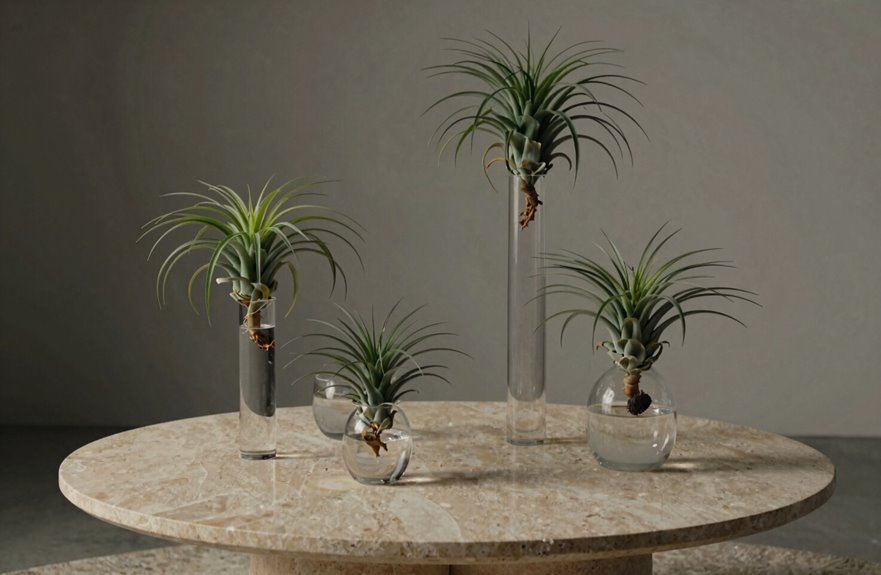
Because round coffee tables can feel flat from certain angles, reach for something vertical to break up the horizontal plane. Two tall faux lilac stems work beautifully here. Nestle them beside shorter objects, maybe a small stack of books or a low bowl, creating height variation that draws the eye upward.
For greenery layering without the stress, mix live and faux elements. Faux Xerographica air plants run about $10 each, perfect for low-light corners where real plants struggle. Cluster them with mid-height pieces around a central focal point, checking the balance from every seat.
Pro tip: corral anything with soil in a large bowl or tray. It keeps things tidy and cohesive while creating a polished, intentional look.

Unique Cloud Design: The cute lazy cloud design makes the jewelry dish an aesthetically pleasing decor. The grooves on the side prevent your jewelry from falling off.

Neutral Home Accent – Designed with a soft cream PU leather exterior and a warm wood-grain interior, the GORESE round tray for home decor blends beautifully with modern, farmhouse, boho, Japandi, and cozy neutral home decor.

Sophisticated Versatility: The Juvale Blue Coffee Table Tray, expertly crafted from durable wood, exudes elegance with its interchangeable gold and silver handles. This decorative tray enhances any space, whether used as an ottoman tray or a centerpiece tray
Hide Remotes and Coasters in a Decorative Box
Where do all those remotes and coasters disappear to when company’s coming? A decorative box keeps everything accessible yet invisible. It’s the difference between a styled moment and a cluttered surface.
Here’s how to make it work:
- Match the material (wood, marble, or lacquered metal) to your table’s finish so it feels intentional, not random
- Tuck it beside your main decor cluster, within arm’s reach of the sofa but visually quiet
- Choose a soft-lined interior to protect both your table and whatever you’re stashing inside
- Empty and reset monthly when you rotate your decorative elements
A clutter-free surface requires one simple tool. remote controls hide in plain sight inside the box, ready whenever you need them.
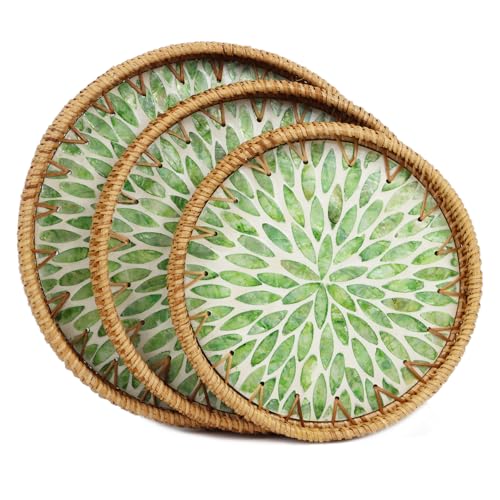
【Natural Rattan Tray】Crafted from 100% natural rattan by skilled artisans, this round tray set is both durable and eco-friendly. The charming boho pattern adds a fresh, organic touch that brings a calm, natural vibe to your space.

VERSATILE 2-PIECE DECORATIVE TRAY SET- Refresh your space with two perfectly sized round wood trays, including one 11.4" tray and one 10" tray for flexible styling and organization. Ideal as a coffee table tray, dining table centerpiece, ottoman tray, kitchen island décor, bathroom vanity tray, or entryway catchall, this decorative tray set brings beauty and function to every room.

Check Your Work From Every Seat
With the box tucked away and your clusters in place, walk the room before calling it done. Plop down on the couch, sink into the accent chair, and even perch on the ottoman edge. From each spot, check that your round coffee table feels balanced. No single cluster should dominate, and no awkward gaps should be obvious.
Rotate a book here, nudge a candle there, making sure the triangle rule holds from all seating viewpoints. Can everyone reach a coaster? Is legroom intact? Step to the far corner and assess height and texture from twenty feet out. This final lap transforms a pretty arrangement into a space that genuinely feels lived-in. Your guests will notice the difference in how comfortable and intentional the room feels.

Individually manufactured from sustainable mango wood, these boxes feature hinged lids making access and storage an easy task

Transform Any Room Into an Organized Retreat: ZICOTO’s decorative storage boxes with lids bring instant warmth and order to your space - woven from natural seagrass, this set of 3 baskets with lids turns everyday organization into a beautifully styled display that feels like home

Natural Material: Crafted from premium seagrass, these lidded wicker storage baskets feature organic textures to complement any home decor.