
I’ve tested rubber tire mats that roll up like yoga mats, snap-together deck tiles that hid my cracked concrete in forty minutes, and artificial turf soft enough for bare feet.
Gravel drains beautifully but requires more commitment than you’d think, while paint and stains demand careful prep or you’ll regret them by fall.
Each option balances cost, comfort, and portability differently.
I’ve learned which ones actually survive the seasons, and I can show you how to choose without the trial and error I endured.
Outdoor Rug Alternatives: 6 Moveable Surfaces Compared
Flexibility is the unsung hero of patio design.
When I wanted to refresh my outdoor space without committing to permanent fixtures, I discovered the magic of movable surfaces. I compared six options, and rubber mats quickly became my favorite companion for patio durability. These 12×12 recycled tire tiles roll up or fold flat, making seasonal switches effortless.
They handle year-round weather while letting me rearrange whenever inspiration strikes. Unlike plastic rugs that crack and fade, rubber mats stay supple through freeze and thaw cycles. They work well for renters or anyone who wants design flexibility without construction work. I’ve rearranged mine three times this summer alone: brunch layout, movie night setup, and yoga corner. Non-permanent solutions can still be substantial and long-lasting.

HEAVY DUTY AND MULTI-PURPOSE: Made from recycled tires, this outdoor mat is designed for versatile use as an outdoor entrance mat or anti-fatigue mat in both wet and dry areas.

18 inch x 30 inch x 1/2 inch

Heavy-Duty Recycled Rubber: Made from recycled tire links to provide exceptional durability and reliable performance in high-traffic indoor and outdoor areas
Rubber Tire Mats: Durability on a Budget
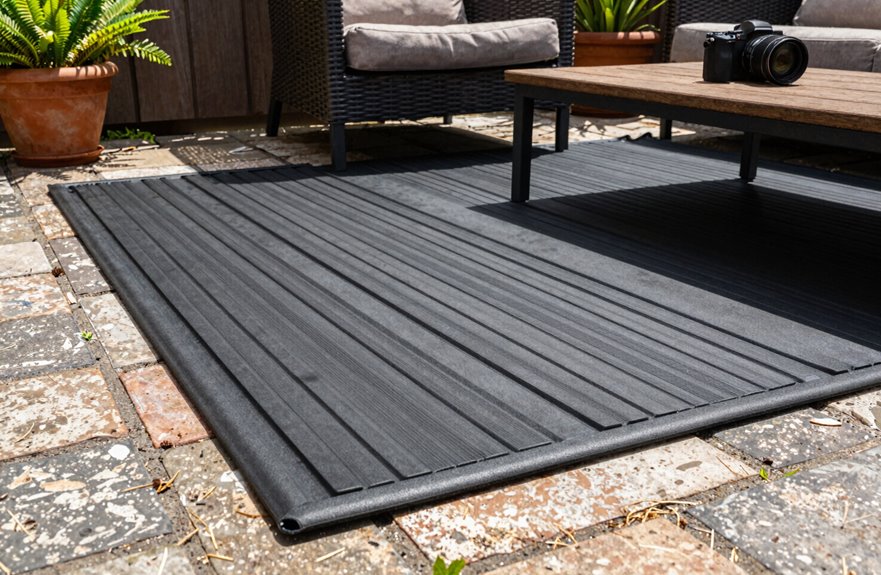
I stumbled across rubber tire mats at a farm supply store three years ago, and I haven’t looked at patio flooring the same way since. These recycled tire mats deliver serious durability without draining your wallet, perfect for anyone building their outdoor space piece by piece.
I stumbled across rubber tire mats at a farm supply store three years ago, and I haven’t looked at patio flooring the same way since.
I’ve dragged mine through three winters, countless barbecues, and one memorable dance party. They shrug off heavy foot traffic, rain, and sun without cracking or fading. The non-slip surface keeps everyone steady, even when the deck’s slick with morning dew.
Cleaning’s a breeze; just hose them off. No scrubbing, no special treatments.
For pure budget-conscious practicality, rubber tire mats work. You get year-round performance, easy maintenance, and the benefit of choosing something that lasts. Your bank account will reflect the savings.

【Premium Material】 ToLanbbt interlocking floor anti-fatigue floor mats are constructed of blend of thickened PVC, with moderate softness and hardness, no special odor sustainable and durable.

Interlocking Drainage Mats for Indoor and Outdoor Use: The non-slip floor tiles with holes have excellent drainage underneath and are ideal for damp and ventilated areas as the drainage tiles stop water from pooling and allow the floor to dry out on its own; perfect for walk-in showers, outdoor hot tub entrances and exits, pool areas such as pool slides and pool shower floors, basement and garage floors, camping doormats, or RV mattresses, and more

Support for 24 Square Feet: Set of 6 black foam exercise tiles, each measuring 24 by 24 inches, features interlocking edges and includes 12 end borders, offering durable support for 24 square feet in your home, gym, or daycare
Interlocking Deck Tiles: Premium Modular Comfort
What’s the fastest way to transform a tired concrete slab into something that looks like you hired a pro? Interlocking deck tiles.
Last spring, my own patio felt embarrassingly neglected with concrete that was stained, cracked, and utterly unwelcoming.
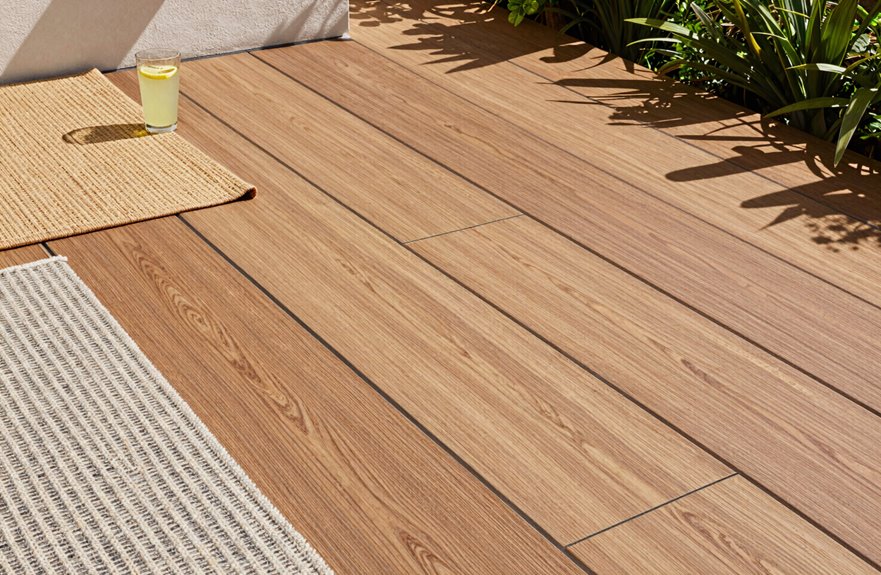
Modular flooring snaps together without tools, glue, or weekend-long projects. Composite wood, stone, or porcelain options in 12×12 or 12×24 sizes create seamless outdoor patio decor that actually drains water and resists UV fading. I laid mine in under an hour, rearranged them twice before committing, and hosed them clean after summer barbecues.
When one piece scratched, I popped it out; no need to replace the whole surface. This is modular flooring for people who want premium results without the premium permanence. Your space transforms, and you belong there.

Wet-Area Ready, No Sealing Required: Pre-finished with cured linseed oil — a natural plant-based wood finish — these tiles install straight from the box — no sealant, no prep, no waiting. Raised base channels water underneath for patios, balconies, pool surrounds, and shower floors

𝐏𝐑𝐄𝐌𝐈𝐔𝐌 & 𝐃𝐔𝐑𝐀𝐁𝐋𝐄 𝐀𝐂𝐀𝐂𝐈𝐀 𝐖𝐎𝐎𝐃: Made from 100% natural acacia wood with a deep-oil finish, these interlocking decktiles are sturdy, water-resistant, and built for outdoor conditions. Sanded smooth for a premium wood grain look, a smooth-finished surface, and a noticeably smoother barefoot feel - comfortable for families and pets.

𝐏𝐑𝐄𝐌𝐈𝐔𝐌 & 𝐃𝐔𝐑𝐀𝐁𝐋𝐄 𝐀𝐂𝐀𝐂𝐈𝐀 𝐖𝐎𝐎𝐃: Made from 100% natural acacia wood with a deep-oil finish, these interlocking decktiles are sturdy, water-resistant, and built for outdoor conditions. Sanded smooth for a premium wood grain look, a smooth-finished surface, and a noticeably smoother barefoot feel - comfortable for families and pets.
Artificial Turf: Soft Ground Without the Mud
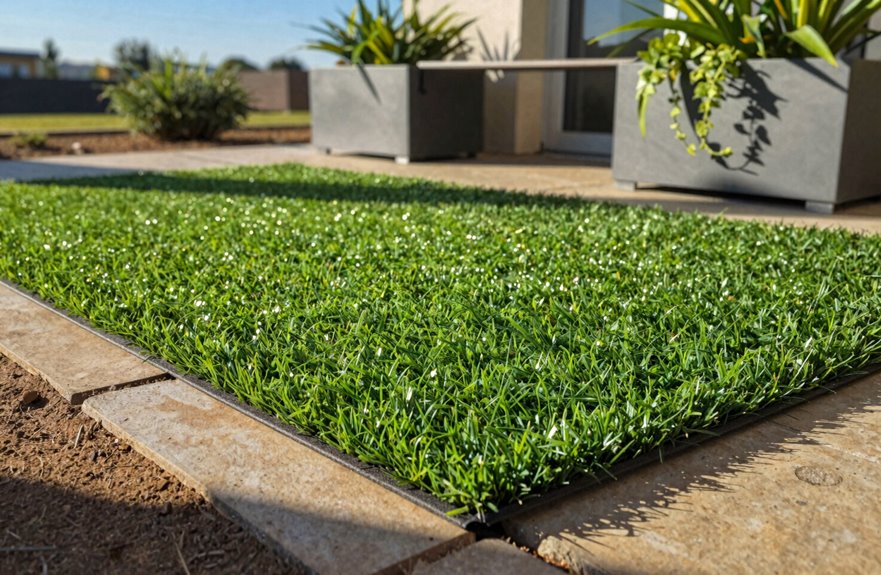
I’ve always loved the idea of a lush lawn without the weekend chores, and artificial turf delivers that benefit: no-maintenance greenery that stays vibrant through scorching summers and soggy winters. The soft underfoot texture feels surprisingly forgiving, especially if you’ve got kids tumbling around or you’re just tired of concrete’s unforgiving hardness. The weather-resistant durability is the defining advantage; installations withstand everything from flash floods to drought conditions without turning into a mud pit or a brown patchwork.

Multiple Uses: The grass mat can be installed at pets playing area, yard, garden, patio, balcony, roof, swimming pool, door mats and indoor potty training etc.
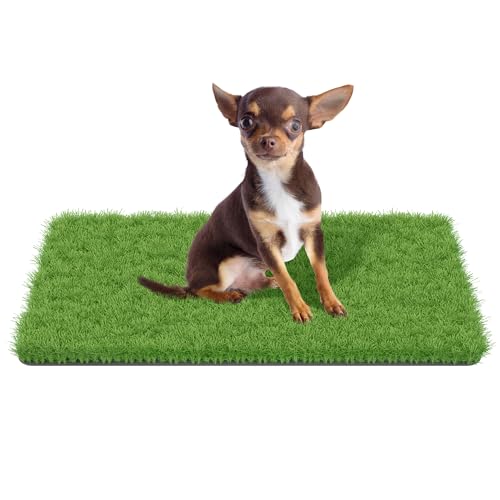
Easy to clean: shake, sweep, hose, or machine wash. This astroturf for dogs is a reusable artificial grass mat, keeping turf grass for dogs fresh. Fake grass for dog dries fast to cut odor and upkeep.
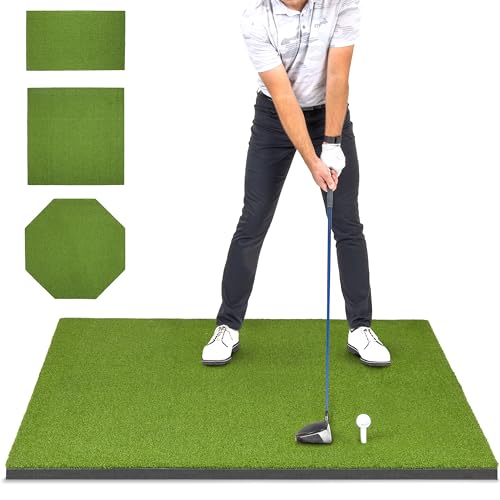
ELITE TURF PERFORMANCE: This premium golf hitting mat features commercial-grade synthetic turf that closely replicates the feel of real fairway grass; Engineered for durability and consistent ball feedback.
No-Maintenance Greenery
Why wrestle with muddy patches and endless lawn care when you could step onto something that stays pristine through every season. Artificial turf transforms patios into inviting spaces where outdoor greenery thrives without the hassle.
Modern synthetic lawns drain efficiently through specialized backing, so you’ll never face puddles after rain. Installing it over a gravel base with a weed barrier underneath provides a seamless, low-profile finish.
The UV-resistant fibers keep their lush color year after year without fading. Maintenance is minimal: no mowing, no watering, no periodic deep cleans. The ground is soft and slip-resistant for bare feet every morning.
Artificial turf delivers an outdoor space that looks polished without the ongoing upkeep required by natural grass.
Soft Underfoot Texture
How often do you actually want to feel every pebble and seam when you’re padding outside with your morning coffee? I switched to artificial turf last spring, and my patio finally feels like an extension of my living room.
The soft underfoot texture transforms bare feet from cautious tiptoeing to confident wandering. Modern options deliver that outdoor comfort with pile heights ranging from plush half-inch to cloud-like 2.5 inches.
What matters most:
- Cushioned backing that absorbs impact, saving your joints during long conversations
- Varied blade heights creating natural give under every step
- Non-slip surfaces that stay forgiving even after surprise summer storms
- Pet-friendly fibers that refuse to hold odors or harbor mud
No more wiping paws, no more muddy footprints. Just consistent, welcoming softness that keeps you outside longer.
Weather-Resistant Durability
Where does all that rainwater actually go when you’re standing on artificial turf? It drains through the backing, keeping your patio comparatively dry. No more squelching through mud or waiting days for bare ground to firm up.
I chose recycled plastic-backed artificial turf for my own space, and the weather-resistant durability has exceeded my expectations. Through scorching summers and soggy winters, it hasn’t faded, torn, or developed that musty smell outdoor rugs often get.
The durability extends to daily life, too. I move furniture around constantly; chairs, planters, a fire pit. The blades bounce back. Occasional hosing and light brushing keep it fresh. It’s year-round reliability without the fuss, and that’s the low-maintenance performance my outdoor life needed.
Gravel and Pea Stone: Permeable but Semi-Permanent
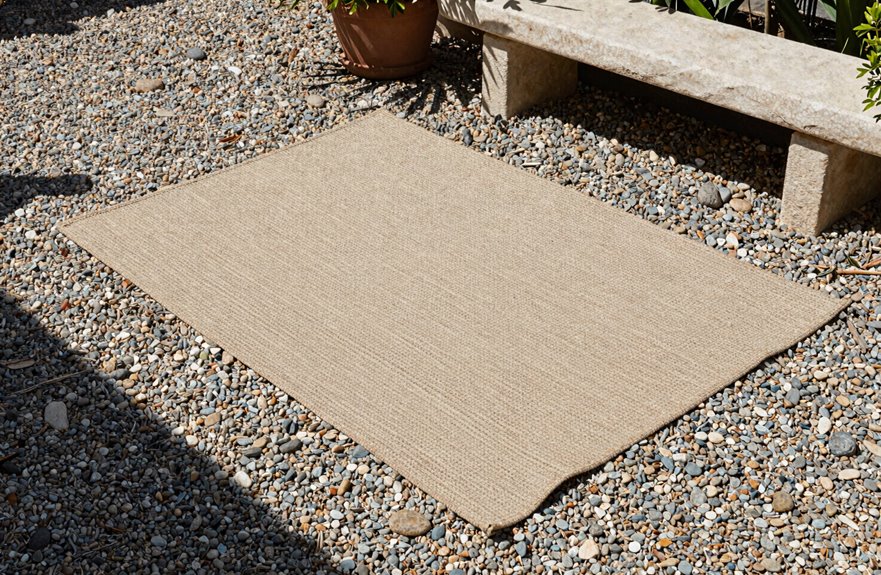
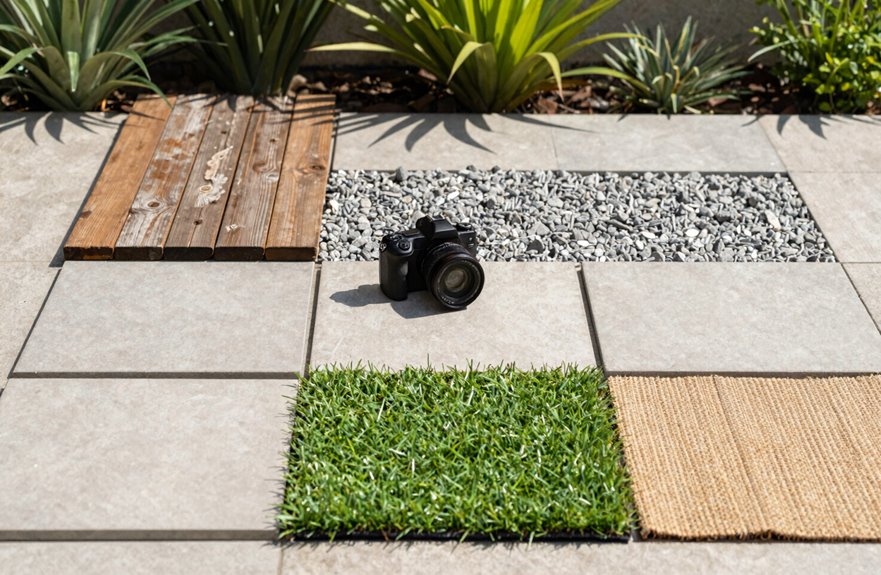
When I wanted something more permanent than a rug but less committed than poured concrete, I found gravel and pea stone to be practical solutions for tricky patio situations.
Gravel and pea stone: the Goldilocks solution for patio undertakings—more enduring than a rug, less final than concrete.
These permeable surfaces let rainwater filter through naturally, so you’ll never deal with the puddling that ruins outdoor gatherings. They’re semi-permanent because they settle in for years, yet you can reshape or relocate them if your needs shift.
What makes gravel worth considering:
- Natural drainage eliminates standing water after storms
- Varied textures and warm, earthy tones blend with any garden style
- Simple installation: compacted base, landscape fabric, then your top layer
- Easy upkeep through occasional raking and spot refills
With minimal effort, you’ll create a grounded, welcoming space that feels intentionally imperfect and belongs in your landscape.

Large Geotextile Fabric: The geotextile driveway fabric has 625 Sq. Ft coverage area, length: 50 ft/15.2 m, width: 12.5 ft/3.8 m. According to your needs, it can be cut to function for driveway stabilization, gardening, agriculture, and drainage.

Clean Weed Control: Made from 3.2 oz/90.7g high-density PP woven material, our garden fabric blocks sunlight from passing through and limits weed growth without frequent manual removal. By reducing competition for water and nutrients, it supports healthier plants while keeping gardens, beds, and walkways neat
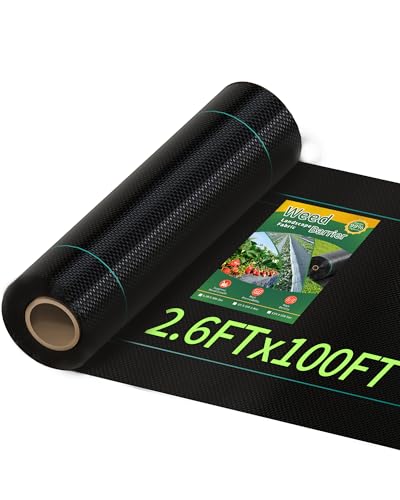
Weed Control: Woven polypropylene physically blocks sunlight to prevent weed seed germination, keeps flower beds, vegetable gardens, and landscaping weed-free without chemical herbicides.
When Temporary Becomes Permanent: Paint, Stains, and Cautions
I’ve learned the hard way that paint and stain aren’t just “set it and forget it” solutions. Durability concerns and fade factors will catch up with you if you skip the prep work. Before I commit to any color, I clean thoroughly, sand rough patches, and test a hidden corner because nothing’s worse than watching your patio peel after the first rain. Stick with UV-resistant, non-slip finishes, and you’ll avoid redoing the entire surface within a year.

Heavy-Duty Recycled Rubber: Made from recycled tire links for exceptional durability and long-lasting performance in high-traffic indoor and outdoor environments

Heavy-Duty Recycled Rubber: Made from recycled tire links to provide exceptional durability and reliable performance in high-traffic indoor and outdoor areas

Recycled Tire-Link Construction: Made from recycled tires and fabric materials to provide long-lasting durability for busy residential and commercial entrances
Paint Durability Concerns
Because I once tried to spruce up my concrete patio with a quick coat of deck stain, I learned the hard way that “temporary” outdoor finishes have a sneaky way of becoming surprisingly permanent. Paint durability outdoors hinges on factors we often overlook until it’s too late.
What I’ve figured out about making exterior coatings work for, not against, us:
- UV exposure degrades color fast. Without stabilizers, you’ll watch vibrant hues ghost into pastels within one season.
- Weathering and foot traffic embed pigment deeper, creating unintended long-term patina.
- Clear sealants buy time by shielding layers from moisture and abrasion between touch-ups.
- Semitransparent, matte finishes hide wear gracefully and forgive you later when removal day arrives.
Choose fade-resistant, UV-blocking formulas to reduce the frequency of repainting and simplify future maintenance.
Stain Fade Factors
How quickly does “just for the summer” become “forever”? I’ve watched temporary patio paint tighten into stubborn stain, bonded so hard I’d need a sander or worse, chemicals to break it free. UV rays don’t help; they accelerate fade on outdoor coatings, especially reds and blues, which surrender to sunbleached pink in weeks. Earth tones hang on longer, but nothing’s immune. I’ve learned water-based sealants resist mildew better than oil, yet any finish peels if moisture sneaks beneath. Clear topcoats help, but mismatch them with your surface and you’ll get tacky reaction staining instead of protection.
| Risk Factor | What Happens | My Workaround |
|---|---|---|
| Deep staining | Paint bonds permanently | Test small patches first |
| Rapid fade | Colors wash out unevenly | Choose muted, earthy palettes |
| Moisture damage | Peeling, mildew, tackiness | Re-seal gaps annually |
Spills on fabric rugs stain permanently too. Prevention through testing and annual maintenance reduces costly repairs and discoloration.
Surface Prep Needs
Once you decide that painted patio patch or stained plank isn’t going anywhere, the real work begins with what’s already there.
My first “temporary” stain peeled like sunburned skin because I skipped proper surface prep. Surface preparation isn’t glamorous, but it separates results that last from work that fails within a season.
Here’s what works:
- Scrub every inch clean, then wait. Moisture kills outdoor durability before it starts.
- Sand rough spots, fill cracks, prime raw surfaces for true weather resistance.
- Choose exterior-grade formulas with UV blockers, never interior leftovers.
- Apply thin coats, wait between layers, and skip oil-based options on scorching days.
That extra morning of prep determines whether you’ll redo everything next season or actually host that sunset dinner you’ve been planning.
Choose by Priority: Cost, Comfort, or True Portability
When I’m staring at my patio, coffee in hand, I often find myself torn between what I want and what I actually need.
Let’s cut through that confusion together. I’ll walk you through three paths, and you can claim the one that fits your priorities.
I’ll walk you through three paths, and you can claim the one that fits your priorities.
If outdoor rug cost tops your list, woven plastic rugs spun from recycled bottles work well. They cost less than polypropylene, and you won’t hesitate to replace them when styles change.
For portability, rollable rubber tiles deliver results. Those 12×12 inch mats tuck under your arm with no wrestling or folding mishaps. Just grab and go.
Comfort requires a slight investment. Look for thicker piles, softer textures, or add a breathable pad underneath. Your bare feet will notice the difference every morning.
Balance all three by tracking cost per use, weight, and setup time.

NON SLIP AND CURLING: Unstable sliding carpets create household hazards. ZONGOOL rug tape stabilizes rugs and prevents corner curling. Compatible with all rug shapes for indoor and outdoor use, it holds carpets firmly in position and reduces common shifting and curling issues

Efficient Drainage: Our 12 interlocking drainage mats, each measuring 12x12 inches, feature upgraded 0.6-inch (15 mm) support pins to ensure rapid water drainage. Say goodbye to bothersome surface water buildup and enjoy a fresher, odor-free environment. These waterproof drainage floor tiles provide a non-slip surface for added safety.
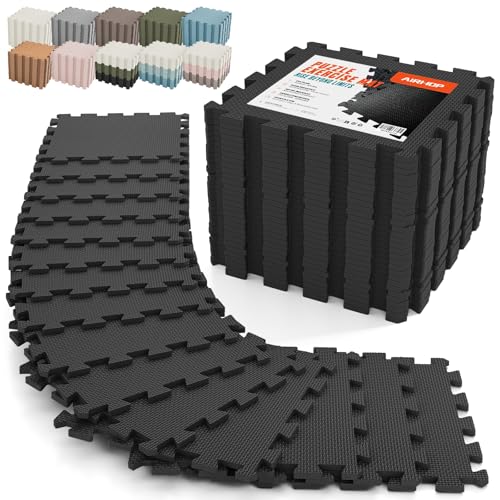
[Ultimate Floor Protection]:Upgrade your home workout space with AIRHOP 0.4" thick foam mats, designed to shield your floors from scratches, dents, and everyday impact. These exercise mats resist sweat and heavy workouts, keeping your home gym clean, safe, and comfortable. Made from high-density, eco-friendly EVA foam, the mats are 100% BPA-free and non-toxic, offering excellent sound absorption, shock reduction, insulation, and waterproof performance. Whether you’re doing fitness stretching, yoga, or playing with the kids, these play mats protect every surface, giving you peace of mind while you focus on your fitness.