Gardening is more than just a hobby; it’s a way to connect with nature and create a beautiful space. If you’re like many plant enthusiasts, you might find yourself craving innovative ways to support your climbing vines without breaking the bank. That’s where this post comes in. I’ve put together a list of twelve cheap trellis ideas that look expensive and can easily support your heavy vines.
Whether you’re a seasoned gardener or just starting out, this guide is for anyone interested in vertical gardening. You’ll discover DIY trellis designs that are not only budget-friendly but will elevate the aesthetic of your garden. From rustic wooden pallets to charming vintage bicycles, you can achieve a stunning garden setup that impresses without the hefty price tag.
Get ready to transform your outdoor space! Each idea is not only economical but also practical, ensuring you have sturdy vine support. With these tips, your garden will thrive and look fabulous. Let’s dive into these creative trellis solutions!
Key Takeaways
– Discover 12 budget-friendly trellis ideas that will elevate your garden’s look and functionality without costing a fortune.
– Learn how to use common materials like wood, metal, and repurposed items to create unique DIY trellis designs.
– Each trellis idea is designed to support heavy vines, ensuring your plants have the structural support they need to thrive.
– Simple instructions make it easy for both beginners and experienced gardeners to implement these trellis ideas successfully.
– Enjoy the satisfaction of completing a garden project that enhances your space and showcases your personal style.
1. Rustic Wooden Pallet Trellis
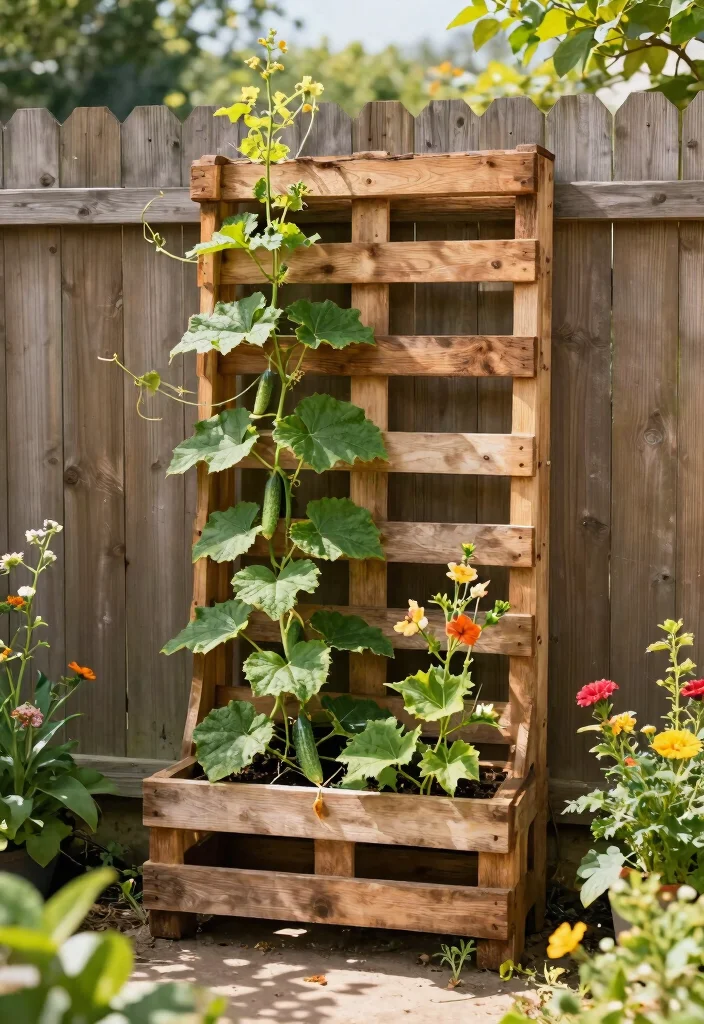
Transform your garden with a rustic wooden pallet trellis that adds character and charm! This budget-friendly option not only enhances your outdoor space but also serves as a sturdy support for climbing plants. Position a pallet against a wall or fence, and plant your favorite vines at its base. The slats create a natural grid, ensuring your plants receive sunlight and airflow while being eco-friendly and easy to find.
Start by smoothing any rough edges to keep your hands safe. Consider using multiple pallets for a bolder statement. Always secure the pallet firmly to prevent tipping over.
Key steps to create your trellis:
– Sand down rough edges for safety.
– Use several pallets for a bigger impact.
– Secure the pallet to prevent it from falling.
With this trellis, you’ll cultivate a stunning garden that supports heavy vines like cucumbers and grapes, blending beauty with function.

15-SECTION NATURAL WOODEN LADDER:Crafted from 15 pieces of durable, natural wood, this wooden ladder plant trellis offers strong and rust-free support for your indoor and outdoor climbing plants. The smooth wood finish promotes healthy vine growth while adding a touch of natural elegance to your space.

Natural bamboo trellis: Made from natural and renewable materials, bamboo is fumigated twice to ensure strong quality and durability. Our garden trellis is hand-picked and hand-made to ensure the premium quality, it is very sturdy and flexible to be used in the garden for several seasons
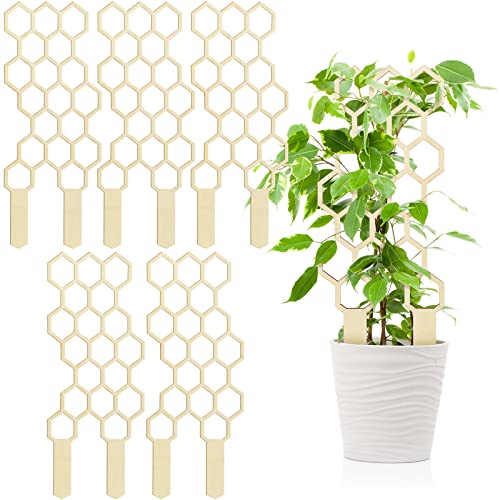
Satisfy Your Gardening Needs: the package contains 5 pieces of honeycomb trellises, they can be applied as supports for climbing plants and help the plants grow regularly, enough quantity can meet your use and replacement needs, you can also share them with your friends who like gardening
2. Minimalist Metal Pipe Trellis
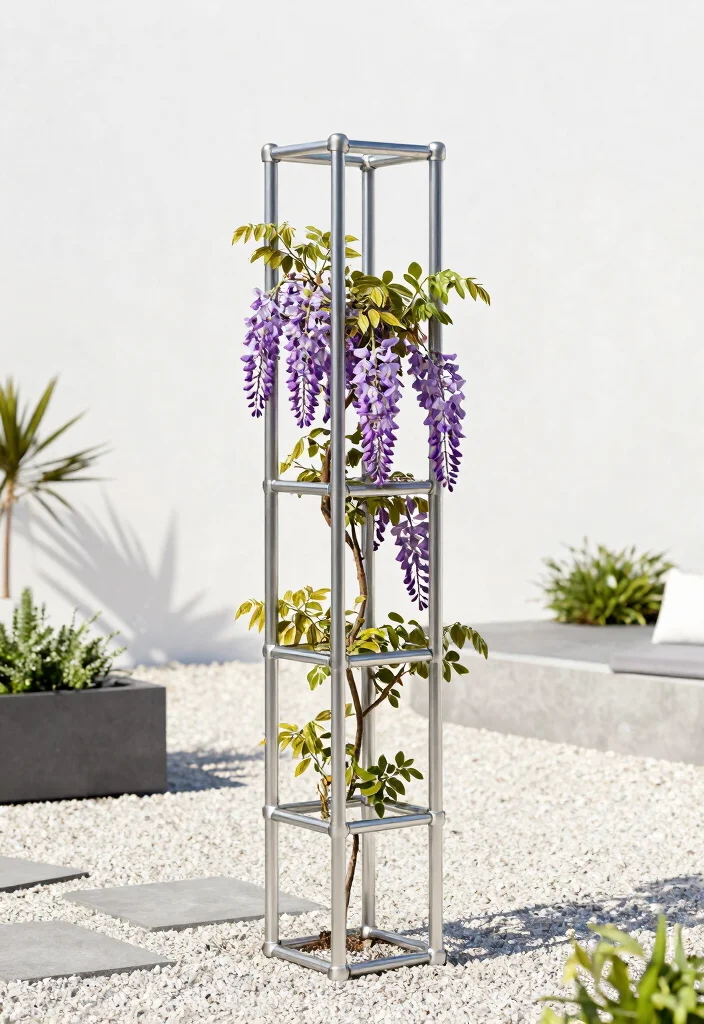
Elevate your garden’s style with a minimalist metal pipe trellis that marries modern design with functionality! Metal pipes provide a robust structure and a sleek industrial feel. You can easily customize the size and shape, whether you prefer a simple frame or a more elaborate pattern. This trellis is perfect for supporting vigorous plants like wisteria or sweet peas, combining aesthetic appeal with practicality.
To build your trellis, use pipe fittings to create different heights and designs. Consider coating the pipes with rust-resistant paint to add color and enhance durability. Make sure to anchor the base securely to the ground for stability.
Essential tips for your project:
– Use fittings to customize designs and heights.
– Apply rust-resistant paint for longevity.
– Anchor the base firmly for support.
This trellis solution offers both elegance and strength, transforming your garden into an inspiring retreat.
Pro Tip: A minimalist metal pipe trellis hides the price tag behind chic industrial style. Measure, cut, and customize fittings to fit your space—these cheap trellis ideas actually look expensive while supporting vigorous vines.

[Multipurpose Use] - Widely used for extending and reinforcing pipe structures, screw fixing. Can be used to make frames, equipment brackets, conveyor line structures, exhibition display racks, trellises, awnings, greenhouses, etc

Adjustable Height Trellis (17" to 50") – Perfect for Raised Beds & Tall Vines, grow Any Climbing Plant! DIY from Compact Seedlings to Towering Vines! Match your raised bed cucumber trellis needs: Start at 17" for young plants, then extend to 50" as they grow! Customize height—ideal for beans, peas, and tall outdoor climbing plants.

[Multipurpose Use] - Widely used for extending and reinforcing pipe structures, screw fixing. Can be used to make frames, equipment brackets, conveyor line structures, exhibition display racks, trellises, awnings, greenhouses, etc
3. Woven Willow Trellis
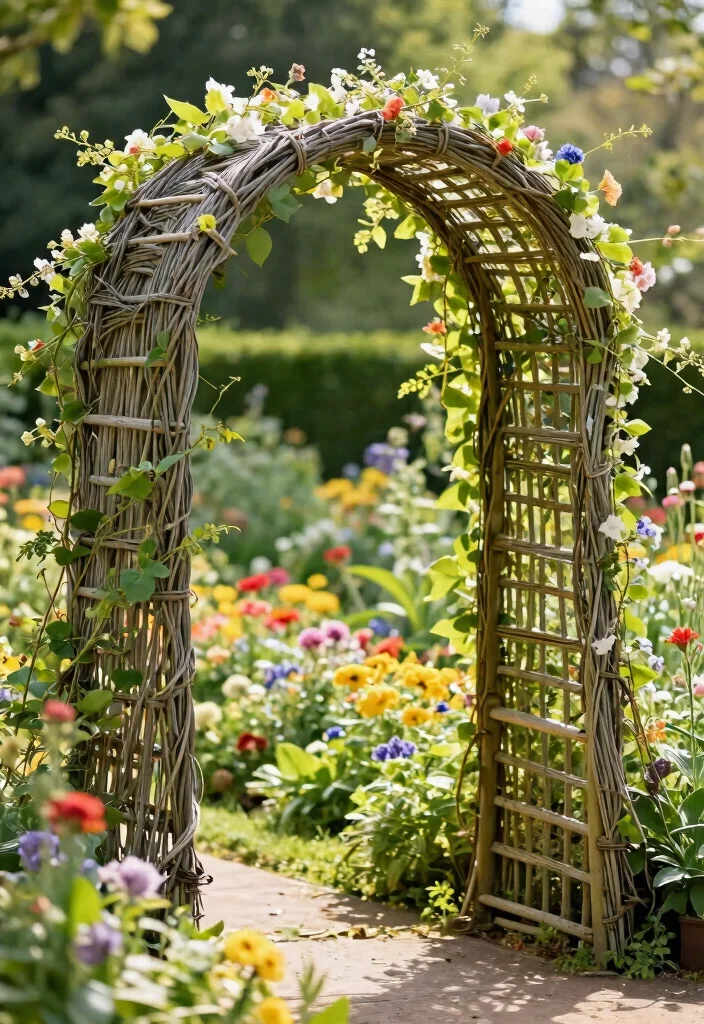
Bring a natural elegance to your garden with a woven willow trellis that beautifully supports your plants! Willow branches are pliable and can be easily shaped into stunning designs that enhance your garden’s aesthetics. This trellis is particularly lovely for smaller plants or flowers, as the soft willow texture adds warmth and organic appeal. You can even craft arches that create an enchanting entryway into your garden space.
To make your trellis, gather flexible willow branches from your surroundings. Weave them tightly to ensure strength while allowing room for growth. You might also want to use natural twine for added support.
Steps to create your trellis:
– Collect flexible willow branches locally.
– Weave tightly for strength and plant growth.
– Use twine for extra support as needed.
This trellis not only supports lighter vines or flowers but also serves as a charming decorative feature in your garden!

Our Polyethylene netting is an affordable alternative to traditional wire mesh. UV stabilized Polyethylene is lightweight, practical, and encourages growth. Miuezuth engineered it to be strong enough to support melons, yet safe enough for the most delicate leaves and stems. This netting improves air circulation, exposure to the sun, and use of space. This trellis netting ensures that your plants stay healthy, which increases their yield.

High Quality: Trellis netting for climbing plants is made from sturdy 27 strands of high-quality nylon thread ( not 18 strands). Sturdy and durable, tear-resistant. Strong reaking strength supports heavy crop loads.

Support Strong Growth - Unique net designed, intertwined to support strong growth of plants. 10x10cm mesh allows you to hold plants tight, avoid tangled and dropped. In the meantime, you can also harvest some beautiful plants and a joyful time.
4. Bamboo Stakes Trellis
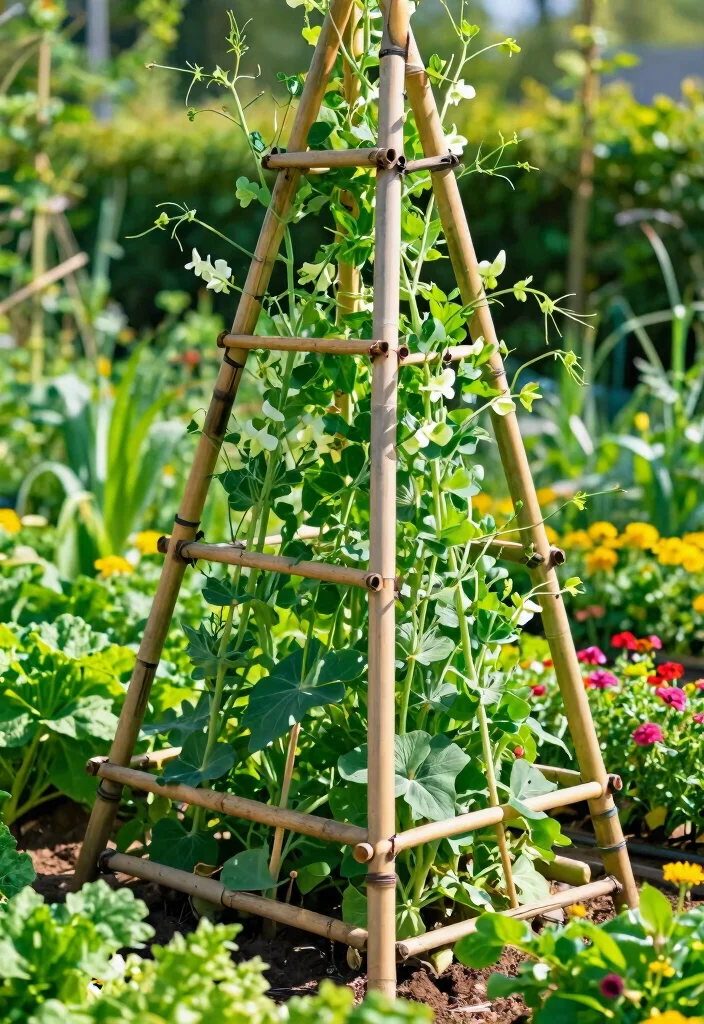
If simplicity is key, bamboo stakes are an excellent choice for your vertical garden! Bamboo is lightweight yet incredibly strong, making it a reliable support for climbing plants. You can easily create various structures, like tripods or grids, by inserting bamboo poles into the ground and tying them together. This arrangement gives a structured yet natural look, ideal for vegetables like peas or beans.
To ensure optimal support, select bamboo that stands at least 6 feet tall. Secure the stakes tightly with garden twine or strong rope for added durability. Regularly check the trellis to ensure stability as your plants grow heavier.
Helpful tips for using bamboo:
– Choose bamboo at least 6 feet tall for support.
– Tie stakes securely with durable twine.
– Regularly check stability as plants grow.
Bamboo stakes provide an earthy touch while remaining fully functional, making them a wonderful addition to your garden!
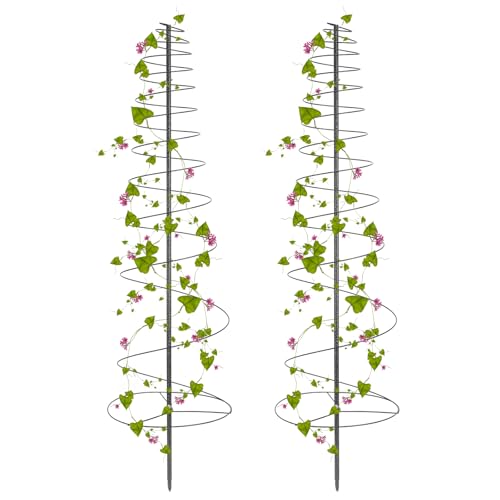
Unique Design: The spiral design expands in seconds—no tools needed! Secure buckle at the base lock the trellis firmly in place, keeping your climbing plants upright even in strong winds.

All-Metal Superiority for Heavy-Duty Gardening:This garden obelisk trellis is engineered with solid iron construction, setting a new standard for outdoor plant support. Unlike common plastic-coated metal trellises that rust when coating peels, our pure iron tubing with screw-locked metal joints creates an unshakable foundation. Perfect as a heavyweight tomato trellis or durable grape trellis, it handles vigorous climbers like beans and clematis with absolute reliability.

SUPPORTING PLANT GROWTH:1 pack garden trellis, helps plants grow upright, improving ventilation and lighting, and increasing yield and quality.
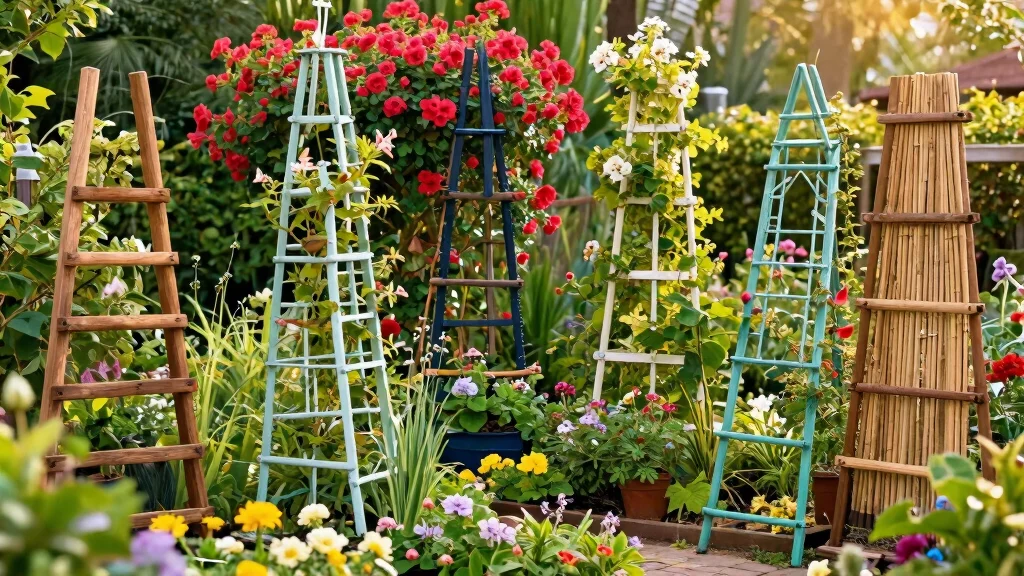
5. Repurposed Ladder Trellis
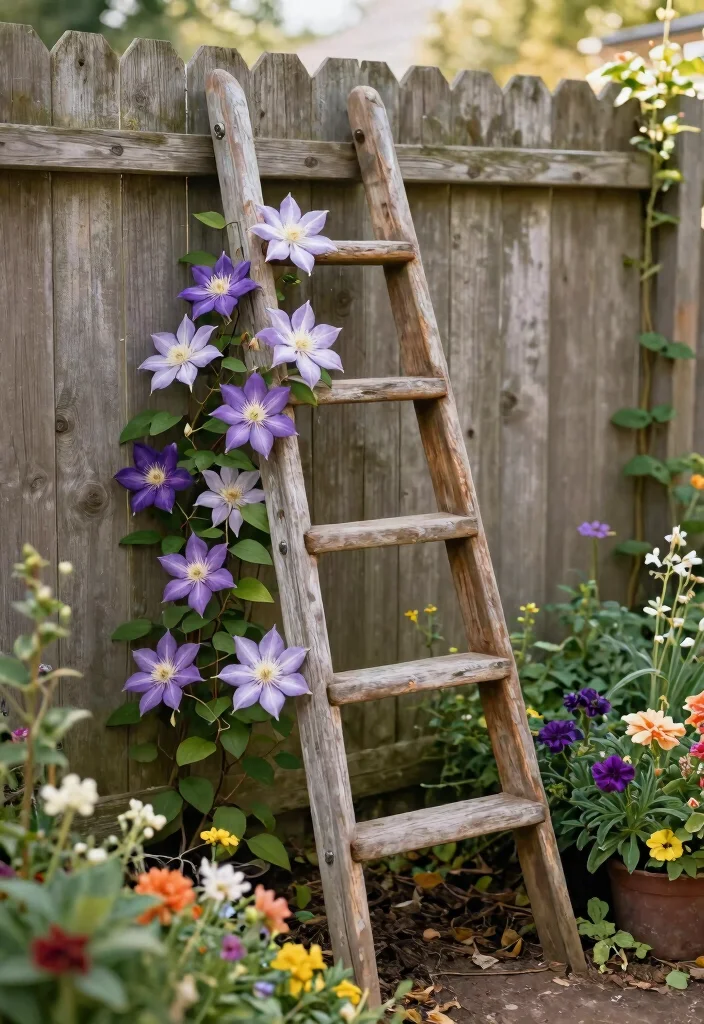
Turn an old ladder into a charming garden trellis that combines vintage style with practicality! This creative repurposing not only looks great but also provides excellent support for climbing plants. Lean the ladder against a wall or fence and plant your vines at the base. The rungs offer natural shelves for plants to cling to, creating a layered display that’s visually interesting. This is perfect for flowers like clematis or morning glories.
For added flair, consider painting the ladder in a vibrant color. You can also hang small pots or decorative items from the rungs for unique touches. Just make sure the ladder is secure so it won’t fall over.
Creative ideas for your ladder trellis:
– Paint the ladder a bright color for fun.
– Hang pots or decor from the rungs.
– Ensure the ladder is stable and secure.
Repurposing a ladder is not only budget-friendly but also adds character to your garden space!
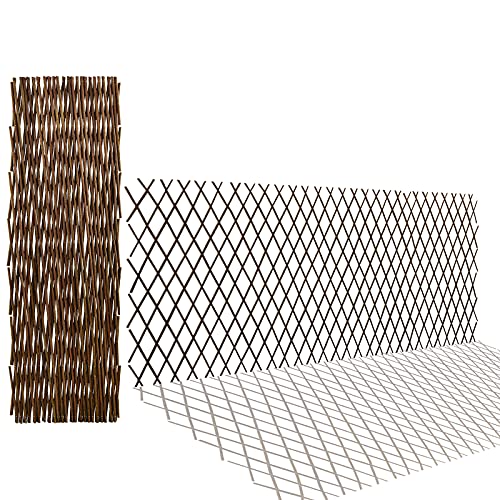
NATURAL WILLOW FENCE :This extended willow faux ivy fence is made of natural willow trees and our willow wicker fence can be expanded to the size you need., natural willow color

NATURAL WOODEN TRELLIS FOR CLIMBING PLANTS: Crafted from natural wood, this expandable lattice fence provides reliable support for climbing plants, vines, roses, ivy, cucumbers, and other garden plants. Encourage healthy upward growth while enhancing the beauty of your outdoor space

Willow Trellis:This plant support are made of 100% real willow,willow sticks is are about 1/4” to 3/8” thick
6. String and Nail Trellis
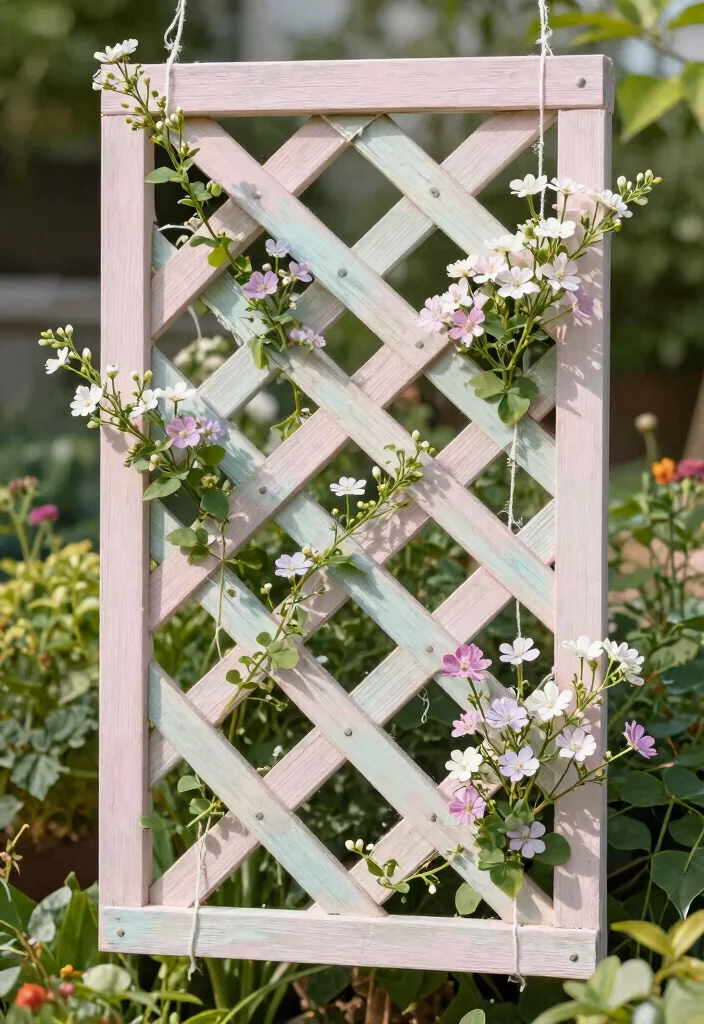
Create a lightweight and stylish trellis using string and nails that’s perfect for small gardens! This design is ideal for tight spaces where bulky structures just won’t fit. By nailing strings in a crisscross pattern on a wooden board or directly onto a wall, you provide an instant support system for delicate vines like peas or small flowers. This method is not only affordable but also highly customizable.
Choose strong, durable string or twine to ensure it can handle the weight of your plants. Make sure to secure the board or wall anchor firmly for stability. You might even paint the board to complement your garden’s decor for an added personal touch.
Key steps to implement this design:
– Use strong twine for durability.
– Secure the board or wall anchor for stability.
– Paint the board to match your garden theme.
This trellis is functional and a fantastic canvas for your creativity!
Fun fact: a crisscross string and nail trellis can support pea vines in tiny spaces and still look stylish. This is one of the best cheap trellis ideas—use durable string and you’re instantly creating a lightweight, customizable support system.
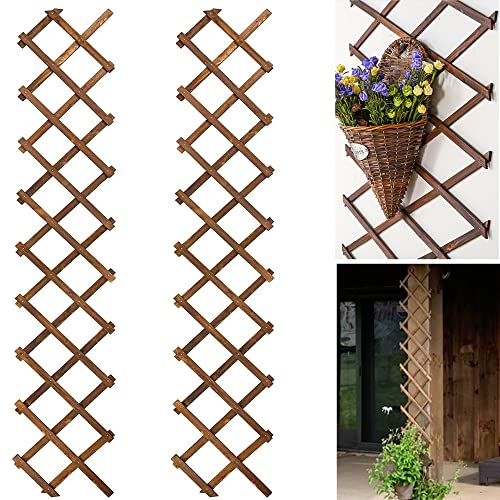
🌲【Natural Wooden Fence】 :Wooden lattice wall planter are perfect for climbing plant and provide them enough places to stretch branches. Besides, they can be used as wall-mounted flower pots shelf, garden fences, and home decorations that can hang family photos or string lights.

What You Get: the package comes 2 pieces indoor plant trellis for pots, each measures approx. 40 x 14 cm/ 16 x 5.5 inches, and 10 pieces black cable ties, each size is about 20 x 0.25 cm/ 7.87 x 0.1 inches, enough for you to use and replacement
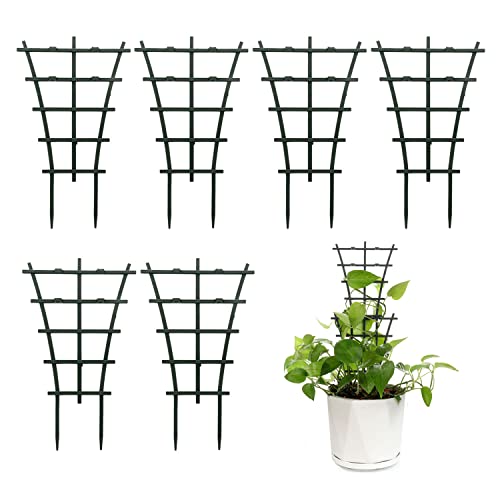
【Upgarded New Version】Our plant trellis is upgraded with high quality new material, increase the weight by 31%, reinforced to be more sturdier, providing stronger support for your potted plants
7. Recycled Metal Fence Panels
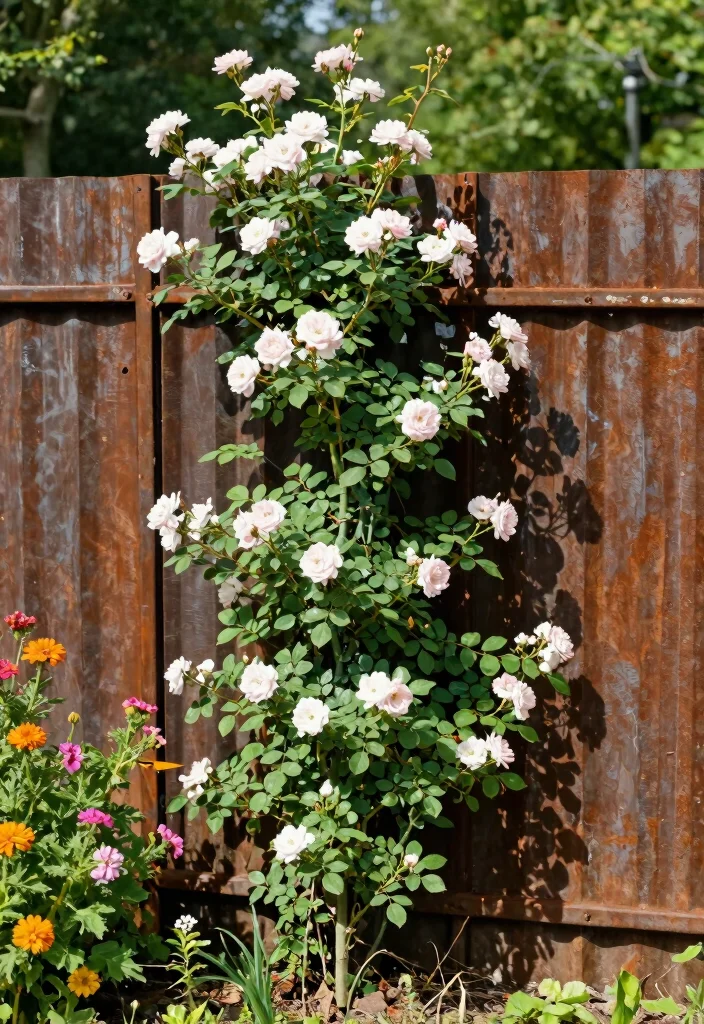
Transform old metal fence panels into a stylish and sturdy trellis that stands the test of time! This practical option not only offers strong support but also brings an edgy, industrial feel to your garden. Simply attach the panels vertically to a fence or wall, and watch as your climbing plants flourish. The metal is perfect for heavy-duty vines like tomatoes or climbing roses, and it makes for a great recycling project.
When installing, ensure the panels are securely anchored to avoid tipping over. You might also consider painting the metal to tie in with your garden theme. Regularly check for rust and maintain the panels for longevity.
Essential installation tips:
– Securely anchor panels to prevent tipping.
– Paint the metal to match your garden theme.
– Check for rust and maintain regularly.
This solution beautifully combines functionality with style!

Stable Design: The package includes 2 pcs trellises. A-frame trellises provide two growing surfaces to support vines. The triangle provides stability in windy locations. There are some feet at the bottom, insert the soil deeply and fix the position to prevent collapse, more stable.
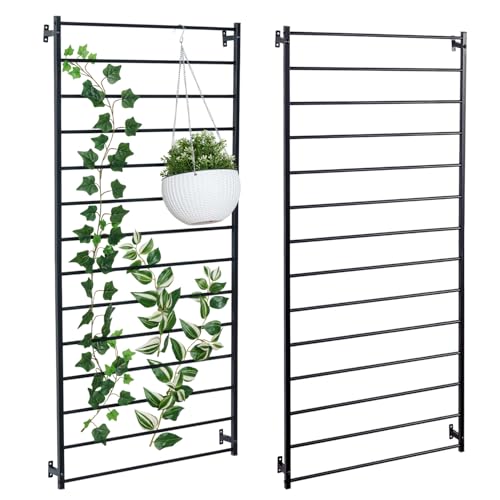
Set of 2 Hanging wall mounted modern matte black metal trellis for climbing plants and crawling vines in outdoor gardens

【Sturdy U-Shaped Metal Arch Support】Our unique U-shaped design provides exceptional stability for your climbing plants, preventing collapse under heavy fruit loads. This cucumber trellis is ideal for raised beds and gardens, ensuring robust support for healthy growth with improved air circulation. It's the perfect garden trellis for climbing plants
Difficulty Rating & Requirements
Overall Difficulty Rating: Medium
Constructing a DIY trellis can be moderately challenging, especially if you’re new to gardening projects. While some designs, like the rustic wooden pallet trellis, are easier, others may require a bit more skill and tools. This project is suitable for anyone with basic DIY experience, but beginners might need extra time to learn and adapt along the way.
Time Estimate:
⏱ Estimated time: 3-8 hours, depending on the trellis design chosen.
– Planning and gathering materials: 1-2 hours
– Assembling the trellis: 2-4 hours
– Final touches and installation: 1-2 hours
Skill Requirements:
– Required skills: Basic woodworking or metalworking, measuring and cutting, and some creativity.
– Beginner-friendly: Yes. Most designs are simple enough for beginners, especially with guided instructions.
– Skills that can be learned: Basic tool use, measuring, and cutting materials.
– Skills that require experience: Advanced woodwork or metal fabrication techniques may be needed for some complex designs.
Tools & Materials Needed:
🧰 Essential items checklist:
– Measuring tape (required)
– Saw (required) – hand saw or power saw, depending on your material choice.
– Drill (required) – for assembling pieces and adding support.
– Screws or nails (required) – ensure you have the right size for your materials.
– Wood or metal for the frame (required) – the main structure of the trellis.
– Wire or string (optional) – for supporting lighter vines if used.
– Paint or stain (optional) – for finishing touches to give it a polished look.
– Safety gear (required) – goggles and gloves to keep you safe while working.
Step-by-Step Overview:
1. Planning and Design (1-2 hours): Begin by selecting your trellis design. Sketch a simple plan or outline to understand the dimensions and materials needed.
2. Gathering Materials (1 hour): Visit local hardware stores or repurpose items you already have at home. Collect all the necessary tools and materials for your project.
3. Assembling the Trellis (2-4 hours): Follow your plan to cut and assemble the pieces. Use a drill to secure the frame and ensure stability. This phase may take longer if you’re trying a more complex design.
4. Finishing Touches (1-2 hours): Once the structure is stable, apply paint or stain if desired. Allow it to dry completely before installation.
5. Installation (1 hour): Secure the trellis into the ground or against a wall, ensuring it’s sturdy enough to support your heavy vines.
Professional vs DIY:
Creating your own trellis can save you a lot of money. Professionally made trellises can cost anywhere from $100 to $500, depending on materials and size. In contrast, a DIY version can be completed for as little as $20 to $100, greatly depending on whether you use new or repurposed materials. If you’re not comfortable with tools or lack the time, hiring a professional may be the best choice for you.
High Quality: Trellis netting for climbing plants is made from sturdy 27 strands of high-quality nylon thread ( not 18 strands). Sturdy and durable, tear-resistant. Strong reaking strength supports heavy crop loads.

PRODUCT SIZE - Trellis netting 5Ft*30 Ft, 3.5 inch square mesh, easily cut to desired size to use. Important note: The trellis netting comes in a vacuum sealed bag.

MELOHO Polyethylene netting is an affordable alternative to traditional wire mesh. UV stabilized Polyethylene is lightweight, practical, and encourages growth.This netting improves air circulation, exposure to the sun, and use of space. This trellis netting ensures that your plants stay healthy, which increases their yield.
8. Decorative Lattice Trellis
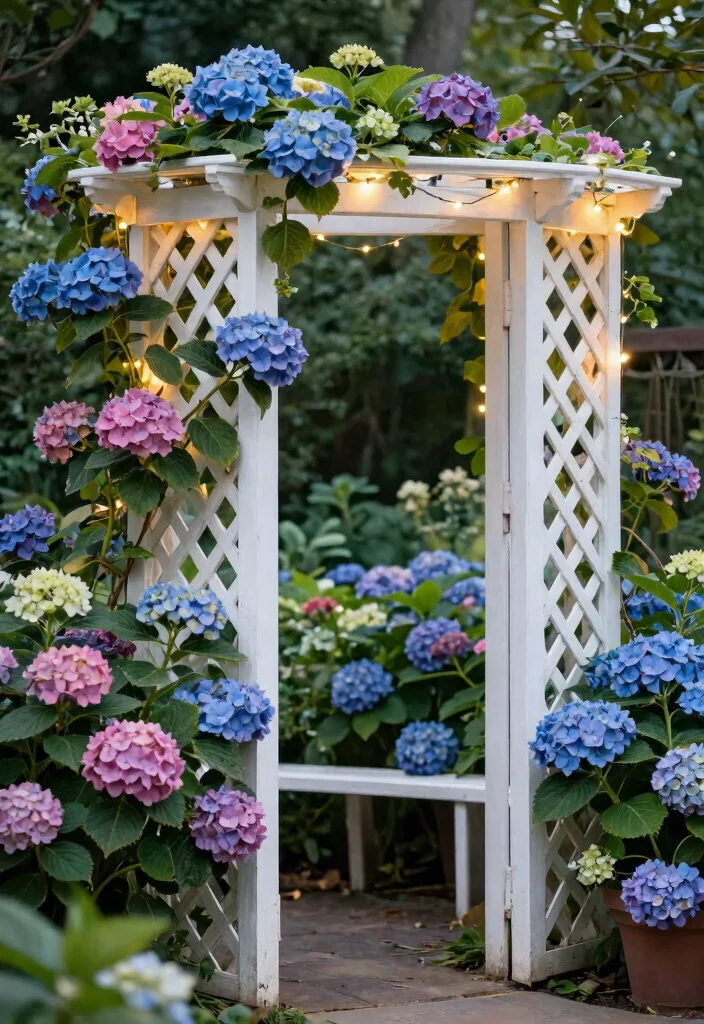
Add a touch of elegance to your garden with a decorative lattice trellis that serves as a stunning focal point! Lattice designs are visually appealing and provide excellent support for a variety of climbing plants. You can purchase pre-made lattice panels or easily create your own using wooden slats. This style allows vines to wrap around while enhancing the overall beauty of your garden. It’s perfect for flowers like climbing hydrangeas or sweet peas.
Consider painting or staining the lattice to harmonize with your garden’s color scheme. Adding fairy lights can create a magical glow in the evenings. Position your trellis where it can be admired from multiple angles for maximum impact.
Tips for designing your lattice trellis:
– Paint or stain to match your garden colors.
– Add fairy lights for a charming glow.
– Position for visibility from different angles.
This trellis can dramatically enhance the beauty of your outdoor space!
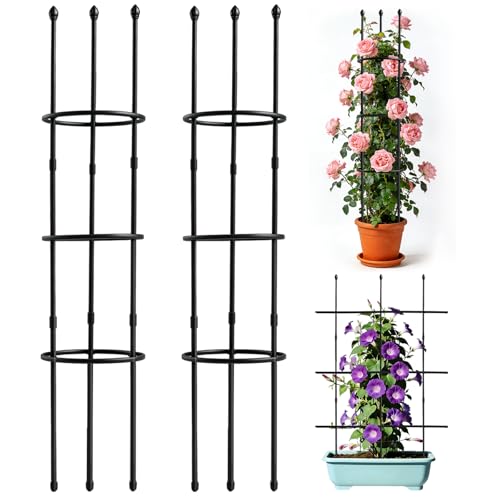
【Two Installation Methods】Our garden trellis can be configured into two types of plant trellis (panel stands and plant cages). You can also combine two or more panels together to form a larger plant stand panel or plant cage. Adjustable plant supports can meet your different plant support needs.

Package included : The height of bamboo trellis is 16 inch, each package includes 3pcs trellis. Three shapes are available for you to choose from

[Taller Size & Stackable Design] Qaobo plant trellis offers a superior height advantage. A single unit stands at 14.17 inches, and the innovative stackable feature allows you to connect two for an impressive 22.44-inch height. This versatile design is perfect as a small trellis for potted plants or a tall garden trellis for climbing plants, adapting to your plant's growth from a juvenile to a mature stage
9. Chicken Wire Trellis
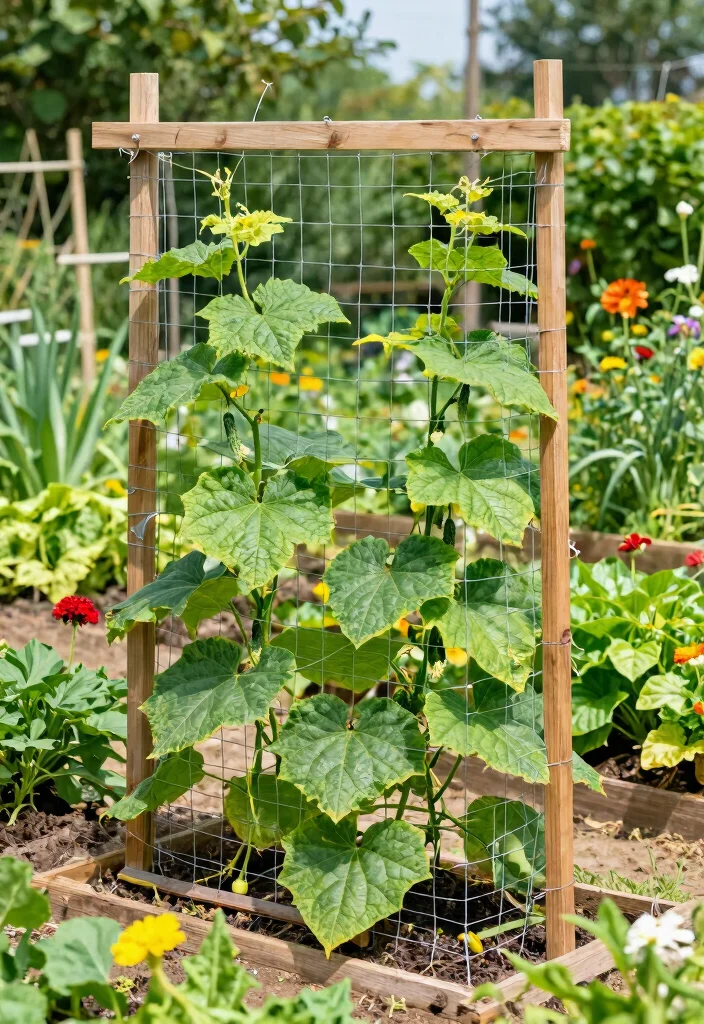
For an affordable and practical solution, consider a chicken wire trellis that’s both lightweight and durable! Chicken wire is perfect for supporting many climbing plants. To create your trellis, simply attach the wire to a wooden frame or against a wall. The open mesh allows plants to easily grab hold and climb, keeping your garden organized and growing upwards. This option is ideal for vegetables like peas, cucumbers, or flowering vines.
Cut the chicken wire to your desired height, making sure it’s tall enough for your plants. Secure the wire to the frame or wall using strong staples or screws. Regularly check for any tangling or damage as your plants grow.
Installation tips for your chicken wire trellis:
– Cut wire to the desired height for plants.
– Use strong staples or screws for stability.
– Regularly check for tangling or damage.
This trellis beautifully balances function and simplicity, making it a great addition to any garden!
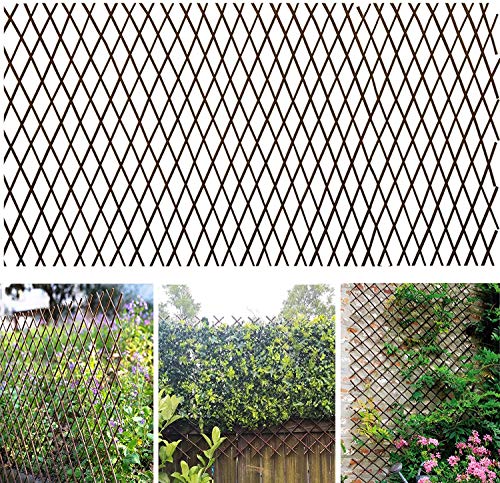
Willow Garden Trellis:This vine trellis are made of 100% real willow,willow sticks is are about 1/4” to 3/8” thick

HIGH QUALITY MATERIALS :The willow trellis plant support are made of 100% real willow wood, nature willow color, willow sticks is about 1/4” to 3/8” thick, nice and sturdy.
10. Canvas or Fabric Trellis
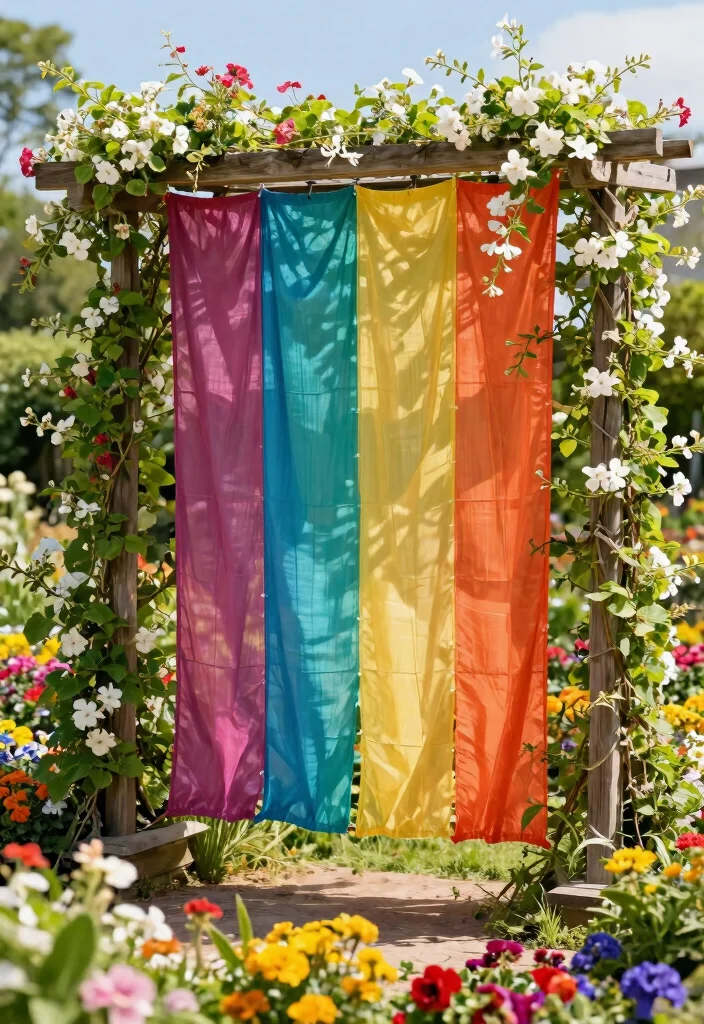
Create a vibrant trellis using canvas or fabric for a unique and colorful garden feature! Durable fabric allows for flexibility in design and color, making it easy to customize. Stretch the canvas across a wooden frame or attach it directly to a wall. This method works wonderfully for lighter vines while adding a splash of color to your garden. It’s especially effective for areas where you want a softer appearance.
Select weather-resistant fabric to ensure it lasts through the elements. You can also dye the fabric to create custom colors that align with your garden’s theme. Consider planting flowers at the base that complement the fabric for an integrated look.
Design notes for your fabric trellis:
– Choose weather-resistant fabric for longevity.
– Dye fabric for a custom garden color.
– Plant flowers that match the fabric color.
This option is fun and allows for personal expression while providing essential support for your plants!
Canvas or fabric trellises are cheap trellis ideas that still look expensive, delivering color and flexible design for lighter vines. Stretch the fabric across a wooden frame or attach it to a wall for a vibrant, softer garden feature that lasts with weather-resistant fabric.
11. Vintage Bicycle Trellis
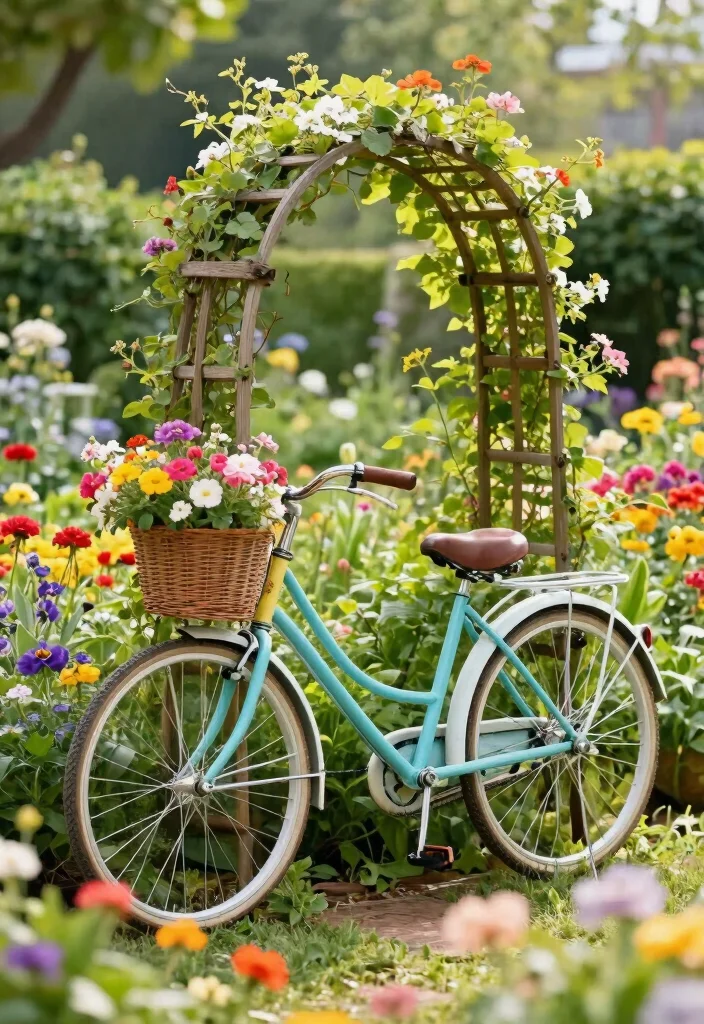
Bring a whimsical touch to your garden with a vintage bicycle trellis that doubles as a delightful decor piece! By upcycling an old bicycle, you can create a functional trellis that supports climbing flowers and vegetables. The bike’s frame adds structure, while the basket is perfect for holding smaller plants. This playful approach not only supports your plants but also becomes an interesting conversation starter in your garden.
For a pop of color, paint the bicycle in a bold hue to make it stand out. Use the handlebars and wheels as fun support points for climbing vines. Position it prominently to maximize its decorative appeal.
Upcycling ideas for your bicycle trellis:
– Paint the bike a bright color for emphasis.
– Utilize handlebars and wheels for support.
– Place it in a visible area for decor.
This quirky trellis adds both function and unique flair to your gardening space!
12. Vertical Garden Wall with Pocket Planters
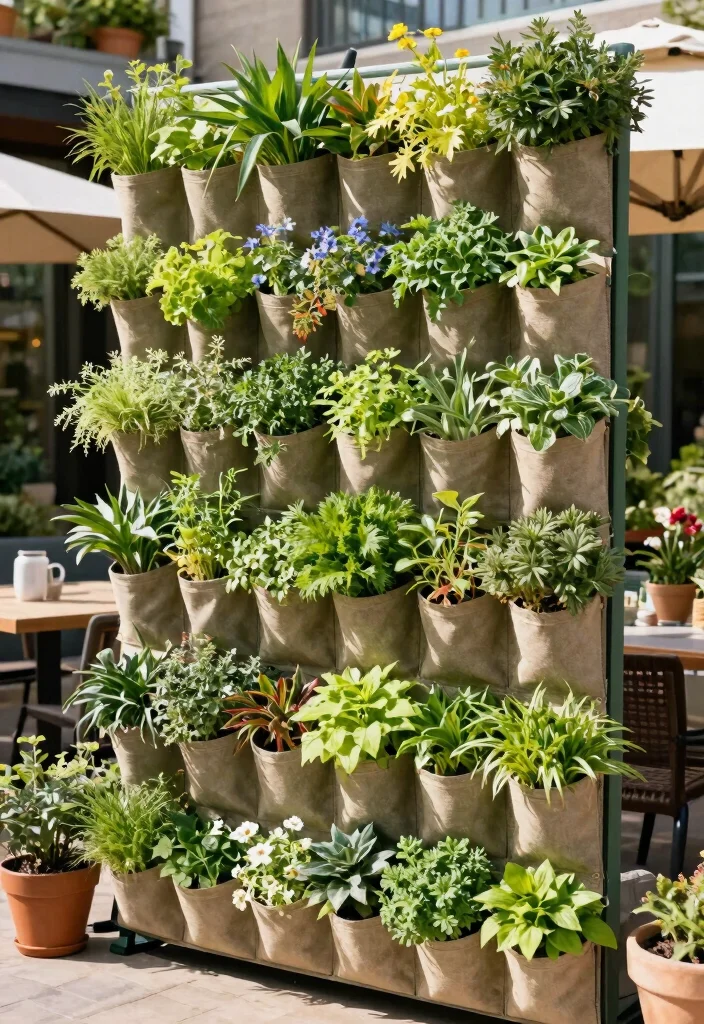
Create a stunning vertical garden wall using pocket planters for a stylish and eye-catching feature! This concept combines support with storage, allowing you to grow a variety of plants beautifully. Utilize wall-mounted pockets made of fabric or wood to let vines and flowers flourish. This design not only maximizes space but also adds a dynamic look to your garden or small patio. It’s perfect for herbs, small flowers, or even strawberries.
Choose quality materials that can withstand outdoor conditions for durability. Ensure proper drainage to prevent waterlogging in the pockets. Arrange the pockets to create visual interest for an appealing display.
Installation tips for your vertical garden wall:
– Use durable materials for outdoor longevity.
– Ensure proper drainage to avoid water issues.
– Arrange pockets for a visually pleasing layout.
This vertical garden wall is both a space-saver and a beautiful feature, bringing your gardening aspirations to life!
Conclusion
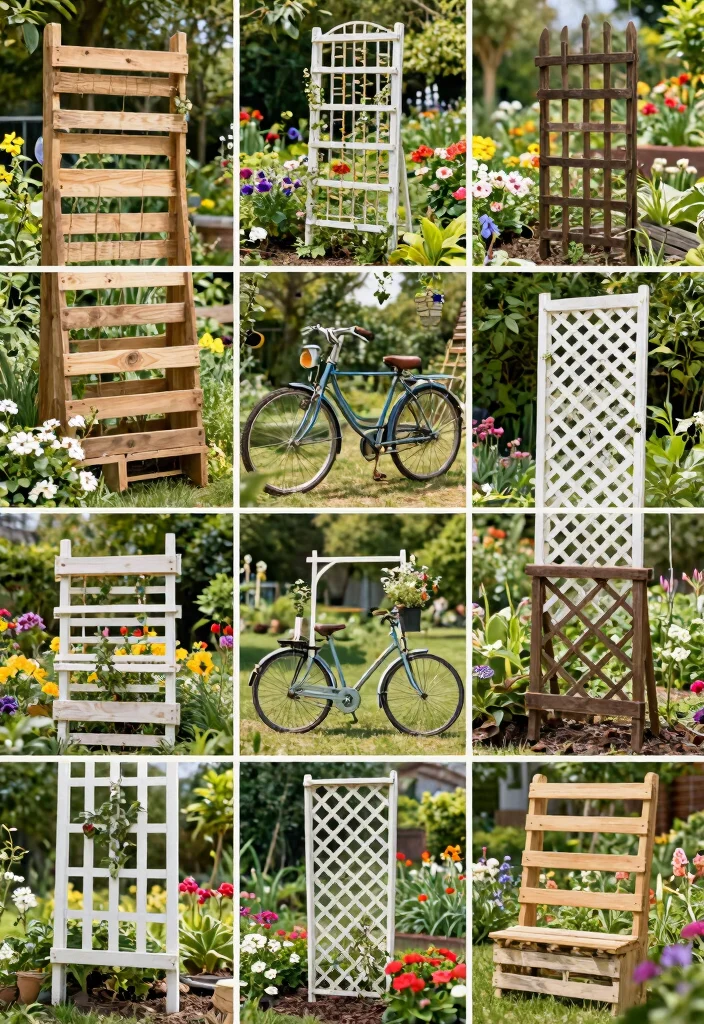
Incorporating any of these trellis ideas into your garden will not only enhance its beauty but also support your plants as they climb toward the sky.
With creativity and resourcefulness, you can achieve a stunning vertical garden without stretching your budget. Try mixing and matching different styles to create a unique look that reflects your personality while keeping your garden functional. Happy gardening!
Frequently Asked Questions
What are some cheap trellis ideas that still look expensive while supporting heavy vines?
Great question. You can get a high-end vibe without breaking the bank by using smart materials and simple construction. Here are cheap trellis ideas that deliver vertical gardening impact and solid sturdy vine support:
– Pallet-lath lattice: take apart a pallet, plane the slats, and nail them into a tight grid. Seal with a weatherproof finish and mount on a wall or fence. A well-braced pallet lattice can hold vigorous climbers.
– Metal panel on a wood frame: salvage a decorative metal panel and drop it into a lightweight wood frame. The metal adds texture and a premium vibe without a big price tag.
– PVC arch with wood cladding: bend PVC into an arch and attach cedar or bamboo slats. This keeps weight down but gives a sculptural, expensive-looking silhouette.
– Wire-grid panel with trim: a cheap galvanized or welded-wire grid set in a stained or painted wooden frame. Bracing at the corners keeps it rigid.
– Living lattice: start with a basic mesh or trellis panel and let fast-growing climbers weave through it. Over time it becomes lush and stylish while staying budget-friendly.
Tips: anchor into solid posts or wall studs, seal wood, and choose materials rated for outdoor use. With these DIY trellis designs, you can create a striking focal point for budget-friendly garden projects while delivering reliable sturdy vine support for your climbers.
Which garden trellis materials offer the best balance of durability and price for vertical gardening?
Durability and price can be balanced with a few reliable materials:
– Wood (cedar or pressure-treated): affordable, easy to cut, and blends with garden settings. Use reclaimed pallet slats for extra savings. Paint or seal to boost life in sun and rain.
– Galvanized steel or aluminum: very sturdy and low-maintenance; invest upfront but often outlast wood in exposed spots. Great for a clean, modern look in garden trellis materials.
– PVC/plastic grid: cheapest option; light and easy to work with but tends to sag under heavy vines unless braced with a wooden frame for sturdy vine support.
– Wire mesh with wood trim: cheap and expandable; best when wired to a frame and anchored to solid posts. Combine with diagonal braces for extra strength.
Tip: consider span, load, and climate. For vertical gardening goals, a mixed approach (wood frame + metal grid) often delivers the best results on a budget.
How can I build DIY trellis designs that support heavy vines without breaking the bank?
Here are three practical DIY trellis designs that hold up to heavy vines:
1) Pallet lattice panel: disassemble a pallet, trim and screw slats into a 4×6 ft grid, mount on sturdy posts with diagonal braces, seal, and anchor. Great for roses and ivy.
2) Metal grid panel in a wooden frame: reuse a metal grid (from a salvaged fence panel) and mount into a simple wood frame with top and bottom braces; firmly anchor to the ground. Perfect for beans, grapes, or kiwi.
3) PVC arch with cedar slats: form an arch from PVC pipe and wrap with cedar slats or bamboo for a finished look. Lightweight, relocatable, and strong enough for light-to-medium climbers.
Steps to follow: plan load and span, mount to solid posts or wall studs, use weatherproof fasteners, seal wood, and test the structure with a gentle pull before planting vines.
What budget-friendly garden projects pair well with trellises in small spaces?
Trellises shine in small spaces when paired with space-saving garden ideas:
– Freestanding panels along a patio or balcony edge create a privacy screen while supporting climbers.
– Vertical herb and veggie setups attach trellis panels to vertical planters, maximizing every inch of growing space.
– Rail or fence integration uses brackets, zip ties, and brackets to mount trellises where you already have structure.
– Living walls: mount a trellis to a wall and train fast-growing climbers to cover it, quickly creating a lush green screen.
– Upcycled panels: repurpose old doors or window screens as trellis panels for a unique look.
These budget-friendly garden projects work great for vertical gardening setups, delivering lush results without a big spend.
What maintenance steps keep cheap trellises sturdy year after year?
Keep your trellises strong with simple, regular checks:
– Inspect anchors and braces at the start of each season; tighten or replace as needed.
– If you used wood, seal or repaint every couple of years to protect against moisture and sun.
– Check for rust on metal parts; apply rust-inhibiting paint or spray if you spot flakes.
– Prune vines to reduce load and prevent crowding that can topple sections.
– Trim or replace sagging sections and add extra bracing if you notice bending.
– In winter, store lightweight PVC panels if possible or cover delicate wood to prevent damage.
With proper care, your garden trellis materials stay sturdy and your vertical garden stays healthy.
Related Topics
cheap trellis ideas
vertical gardening
DIY trellis designs
budget-friendly projects
sturdy vine support
garden trellis materials
beginner friendly
outdoor decor
creative gardening
easy gardening
homemade trellis
seasonal gardening