
I’ve learned that protecting a wood table comes down to daily habits and smart placement. I always use coasters, placemats, and glass toppers to shield against water rings and heat damage, and I wipe spills immediately before they sink in. I keep my table away from direct sunlight and heat sources, such as radiators, fireplaces, and vents, since two summers of sun faded my last one badly.
For finishes, I apply penetrating oils like tung or Danish oil annually, which feed the grain without that plasticky look, or I use hardwax oil when I want something tougher. I reapply when water stops beading or the surface looks dull, usually every year or two. Small, consistent steps keep the wood beautiful without requiring you to restrict normal use of your table.
Use Daily Habits and Accessories to Protect Wood Tables
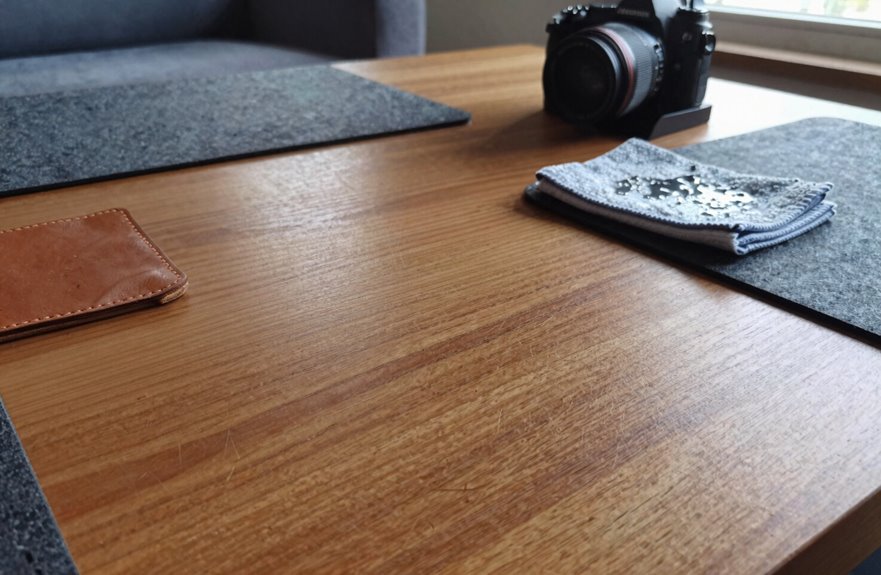
Because I’ve learned the hard way that a single forgotten coffee cup can ruin your morning and your tabletop, I never sit down to work without coasters within arm’s reach. Coasters, placemats, and runners form my first defense, shielding against heat rings, moisture, and scratches during daily life. I’ve also embraced protective glass or clear vinyl toppers that showcase the grain while covering everything. For cleaning, I grab a microfiber cloth with mild soap; no harsh chemicals strip the protective finish. Speaking of finish, I chose penetrating oil that balances beauty with durability, reapplying every year or so. I wipe spills instantly and keep trivets handy for hot dishes. These small rituals keep my table looking loved rather than battered.

Wood Coasters Set for Drinks: The absorbent coaster set consists of 4 wooded coasters and 1 metal holder. Wood coaster have the water absorption effect and better to protect your furniture. Holder is convenient to store other coasters not in use. Using these coasters for drinks will make your experience even more comfortable.

SOLID WOOD NATURAL MATERIALS: This coaster set is handcrafted with all-natural, organic materials. Made of 100% pure Paulownia wood, each piece has its own unique look and design. The hardwood Paulownia makes these coasters durable easy to clean.

COASTERS with HOLDER SET: 8 pcs acacia wood coasters and a black metal coaster holder. Work perfectly! Coaster holder keep the coasters easily available.
Position Your Table to Minimize Environmental Damage
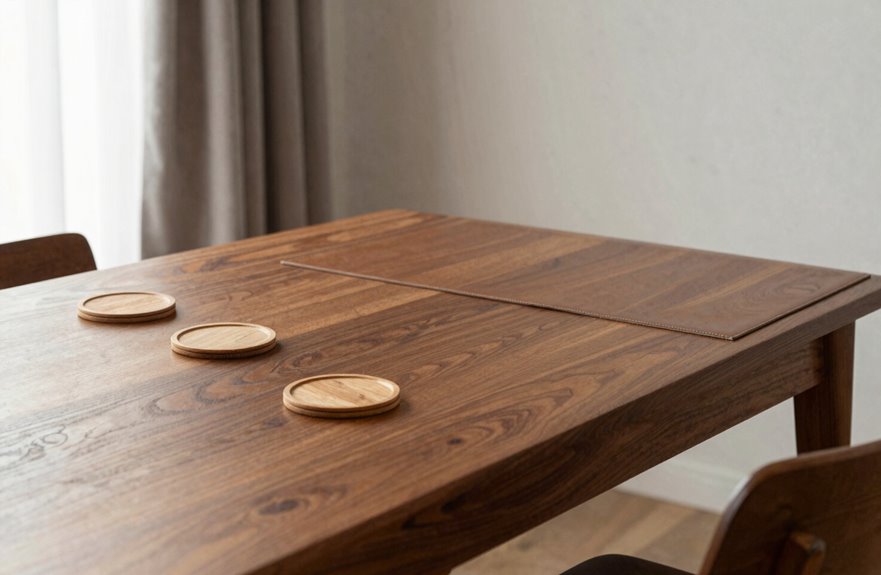
Where you put your table matters just as much as how you treat it, perhaps more. I learned this the hard way. My grandmother’s oak table faded where morning direct sunlight hit it for just two summers. Now I scout my rooms like I’m placing furniture in a game of chess, always three moves ahead of damage.
Heat is sneaky. It doesn’t just come from obvious culprits. I’ve watched radiators warp tabletops from across the room, so I keep serious spacing from heat sources; at least a meter, ideally two. Fireplaces, heating vents, and that sunny south-facing window all pose risks to your finish.
Your table will last for decades if you give it shade and keep it away from temperature swings. Proper placement protects both the wood and the finish from preventable deterioration.

💎【NEW UPGRADED MATERIAL】Our New Version Clear Table Cover Protector Tablecloth is made of improved quality Eco- friendly PVC vinyl, odorless and no plastic smell. Ideal for families with kids or pregnant women! It can effectively protect your Wood Glass Granite Marble Table from scratches, burns, oil stains,pen marks, and keep your table's original beauty and neatness. Used as Heavy Duty Plastic Tablecloth Table Protector Cover Mat Pad, Crystal Kitchen Table Mat, Dining Room Desktop Protector.

DURABLE & LEAKPROOF BUBBLE TEA KIT: If you are looking for ultimate bubble tea experience, Qinline 24Oz Reusable Bubble Tea Cup Set will be a surprise for you or any bubble tea super-fan. Made of durable, food grade material, the set includes 2 Pack 24oz glass mason jar cups, 4 lids, 2 silicone sleeve, 2 stainless steel rainbow straws with silicone tips for pearls, 2 bonus replaced rings, 1 straw brush & 1 straw bag. Leakproof and airtight seal with silicone rings & stoppers, no more spills!
Choose Between Glass Toppers and Penetrating Finishes
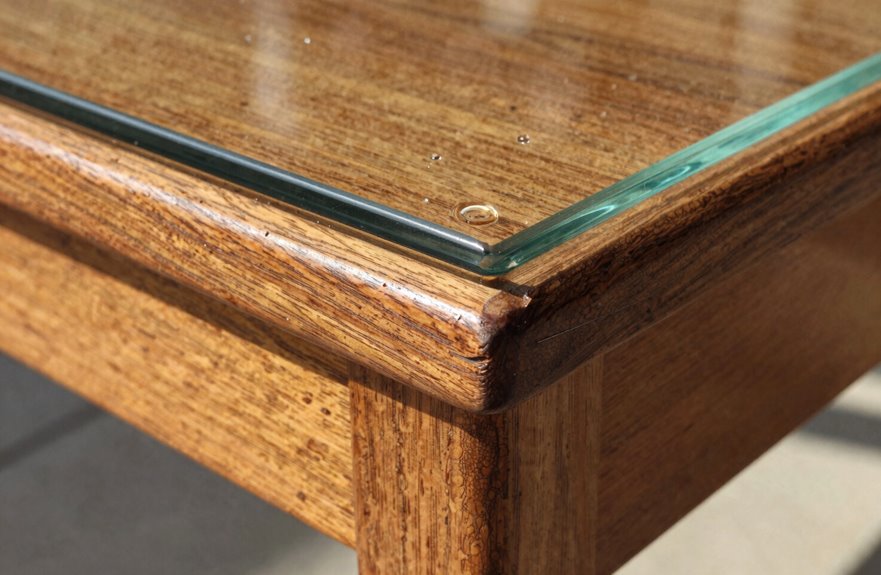
So how do you actually armor your table without ruining its good looks? The choice comes down to two solid paths: glass toppers or penetrating finishes.
Glass toppers give you that invisible shield. I had one cut for my oak coffee table, tempered and crystal clear, with tiny risers underneath for airflow. You’ll have zero water rings and zero panic when someone forgets a coaster. The grain stays naked, beautiful, and untouched.
Penetrating finishes, such as tung oil, Danish oil, and hardwax, sink right in. They deepen the color and keep that honest wood feel under your palms, but they require maintenance. Every year or two, you’ll need to refresh them.
Both offer real protection. One trades effort for permanence; the other requires patience for authenticity. Choose what fits your life.

🥘【PREMIUM SAFE MATERIAL】- Our hot pads for countertops are made from 100% food-grade silicone, exposure to food safety. Non-slip, flexible enough to comfortably grab a hot dish or pan. These trivets for hot pots and pans also can as dish drying mat helps dry items when you need to dry.

【1022℉ Fireproof & Heat Resistant】Different from other felt material mats, our air fryer mat is made of fiberglass, heat resistant silicone resin coated on both sides, which can provide heat resistance up to 550℃/1022℉. Our heat resistant mats have finely stitched edges. It won't stick, tear, curl or crack from heat

HIGH-QUALITY SILICONE TRIVET MAT: The Trivets are made of food grade, BPA-Free, and heat-resistant silicone material that is absolutely safe for your health. The flexible & durable hot pad won't rust, crack or chip.
Apply Oils, Waxes, or Sealants Without Hiding the Grain
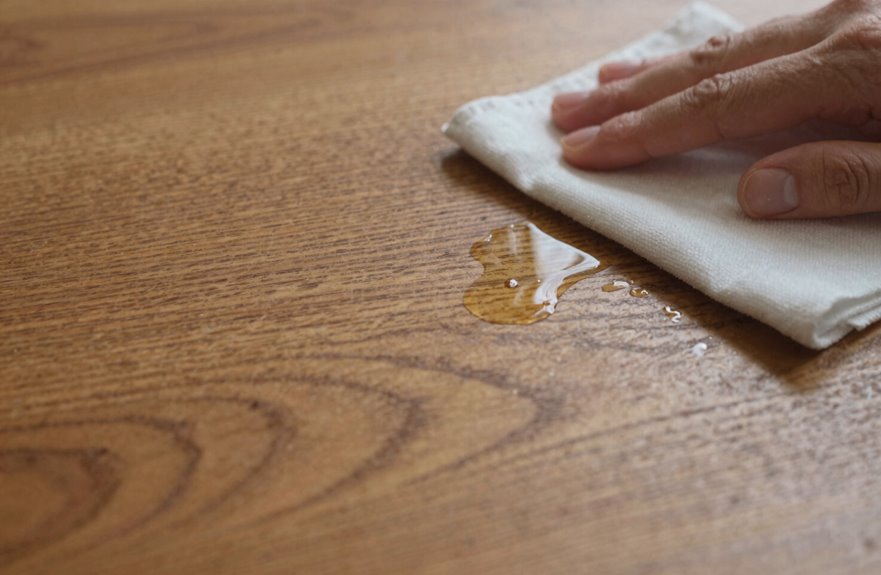
I chose the route of oil and wax, and I’ve learned there’s an art to keeping the wood honest. Penetrating oil, such as tung, boiled linseed, or Danish oil, sinks right in, feeding the grain without that plasticky film that screams “I covered something beautiful.” You’ll see every swirl, every knot. Hardwax oil plays the middle ground beautifully. It combines oils and waxes for durability without the shine that shouts for attention. I apply thin coats, let them drink deep, then wipe away the greedy excess. No puddles, no drowning. Sometimes I’ll buff a soft wax layer over cured oil for that extra protection while still revealing the wood’s character. The goal is grain visibility, not armor. The table stays alive, touchable, and unmistakably itself.
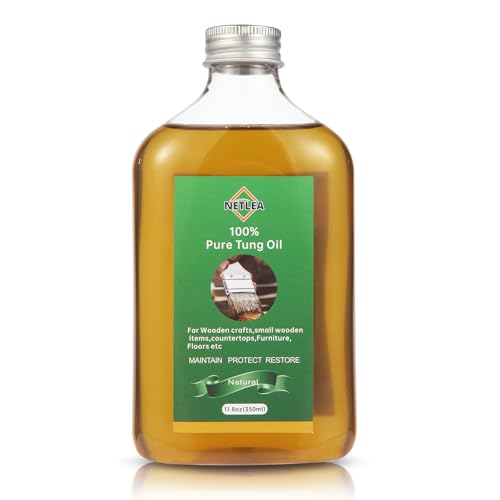
IDEAL FOR SMALL WOODWORKING & CRAFTS: Our 350ml bottle of 100% pure tung oil is the perfect size for woodworkers, carvers, and DIY enthusiasts. It's specially packaged for finishing small projects like wooden models, jewelry boxes, carving crafts, and custom ornaments without the waste of a large can.

Easy to maintain

[Choose the Right Size for Your Project – PluVane 12oz or 17oz] PluVane offers two sizes of 100% pure tung oil: 12oz for small crafts and detailed work, or 17oz for furniture and larger projects. Pick the size that matches what you‘re building — no waste, no compromise.
Maintain Protection: When to Reapply and Refresh
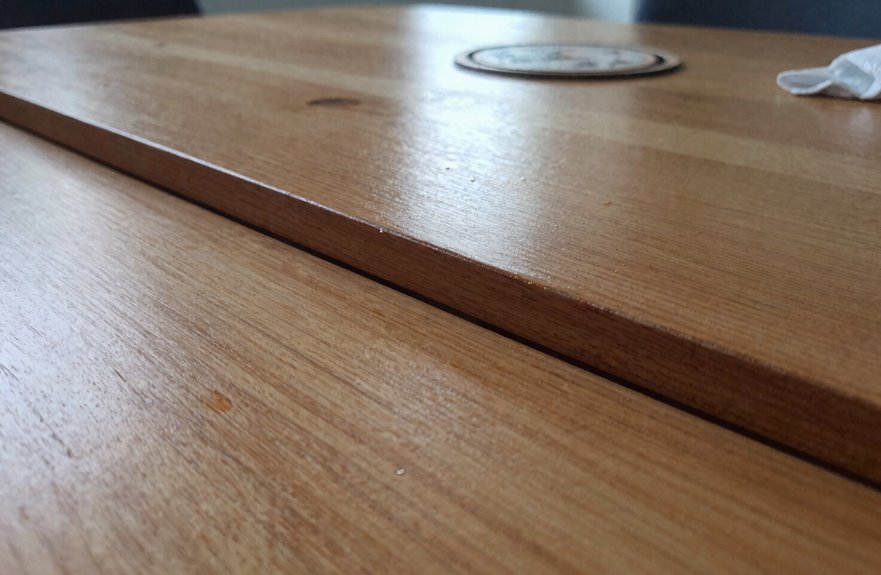
How long does a finish truly live? That depends on what we’ve chosen and how hard we’ve lived on it. Penetrating oils need reapplication every six to twenty-four months. Watch for the telltale signs: dullness, micro-scratches catching the light, water beading less eagerly. Hardwax oils hit that sweet spot, keeping the natural grain visible while remaining tough enough for real life.
When it’s time, work thin, let it drink, wipe away the excess. Light sanding between coats keeps things textured and clear. Refresh before the wood shows significant wear, preserving both beauty and protection. This approach prevents film buildup and plastic-like surfaces, maintaining honest wood with proper maintenance.

Ideal for use on a variety of indoor wood surfaces including bare, stripped or sanded; not recommended for floors

Old English Lemon Oil helps protect wood surfaces

PROTECTS wood surfaces by penetrating deep into pores and coating with a rich and nourishing non-greasy finish.