
I’ve squeezed eight people around a round table meant for six, and I’ve watched conversation die at the far ends of a rectangular table crammed into a studio. Round tables draw everyone into equal sightlines, soften cramped corners, and keep things democratic with no head of the table, just people leaning in. Rectangular tables anchor open plans with architectural weight, extend for holiday crowds, and offer linear clarity. Your choice depends on traffic patterns you actually live with, regular headcount, and whether you want intimacy or presence. Once you start measuring your space, additional factors emerge.
Round vs Rectangular: How Each Shape Transforms Your Space
How exactly does a simple shape shift the entire mood of your dining room? This question matters because the answer lies in how each silhouette commands space.
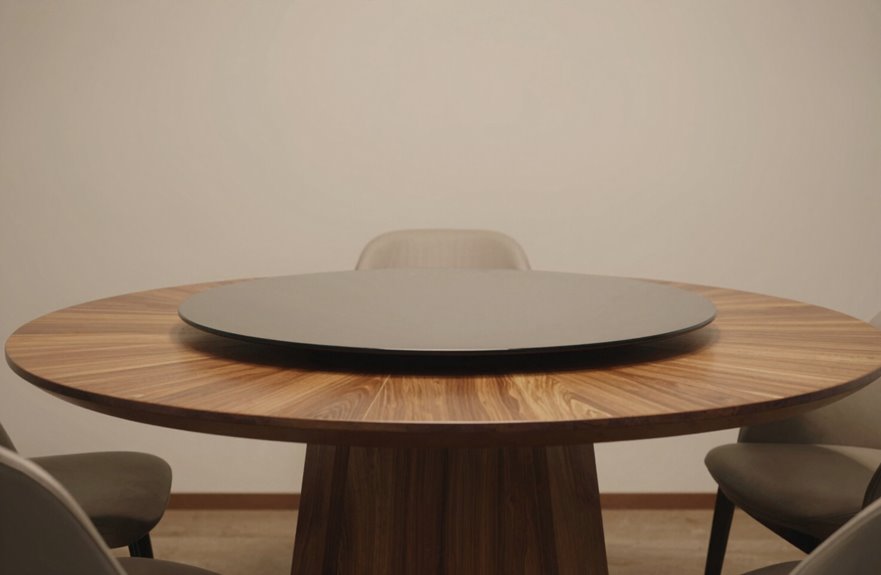
Round tables invite everyone into the circle. No head, no hierarchy. Just equal sightlines and elbows bumping companionably. They soften traffic patterns, letting you glide past without catching a hip on a corner. Guests tend to linger longer when seated at round arrangements, leaning in with greater engagement.
Rectangular tables tell a different story. They anchor a room with architectural weight, creating clear zones in open layouts. Your seating arrangement becomes directional and purposeful, perfect for hosting eight without squeezing. Rectangular tables suit families who need structure and who gather for passing dishes down long, organized lines.
The shape you choose determines how your people gather at home.

Spacious 59-Inch Round Table: This round dining table (59" diameter) comfortably seats 6-8 people, making it ideal for family dinners, game nights, or hosting friends. The large round wooden dining table fits nicely in kitchens, dining rooms, or even open-concept living spaces without crowding the area

Sturdy & Durable Construction: Built with a reinforced carbon steel pedestal and 25mm-thick metal legs, this dining table supports up to 300 lbs for reliable everyday use. Adjustable floor levelers help keep the table stable and balanced on both carpet and hardwood floors. Designed for daily family meals, holiday gatherings, and everything in between

Style Reigns: Discover the MAEZO Collection—a furniture line featuring streamlined designs, tapered legs, and smooth, curved transitions. Each piece adds a touch of mid-century modern flair to your home
Round Tables: Intimacy, Flow, and Soft Curves
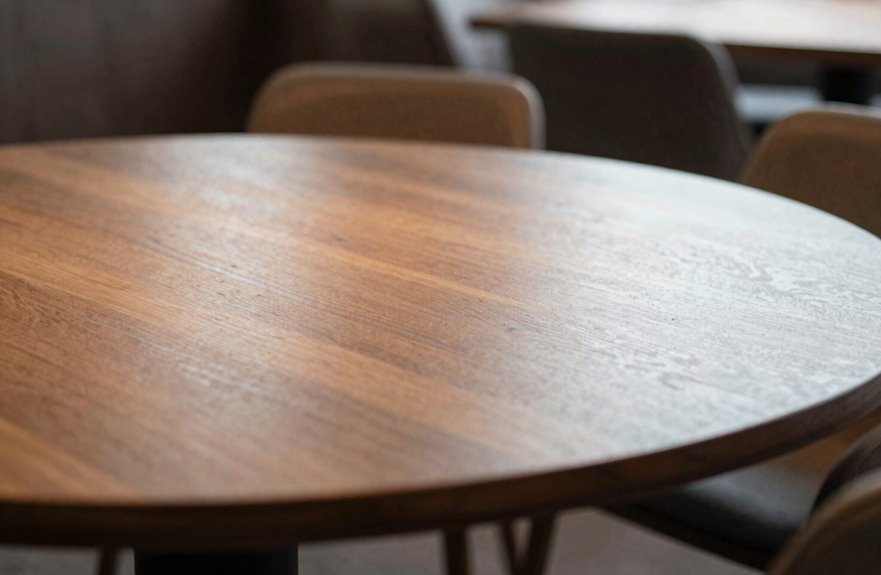
I keep coming back to round tables when I want a gathering to feel less like a meeting and more like a conversation that unfolds naturally over food. There’s something democratic about them. No one sits at the head, no one gets left out of the eye contact. Everyone belongs equally.
For smaller spaces, I’m drawn to how round tables soften the choreography of a room. They ease flow in tight spots, let people slip past without the awkward hip-check you’d get with corners. They balance harsh architectural lines too, functioning as a visual counterpoint to rigid geometry.
In 2026, I’m seeing sculptural bases, burl wood, and stone pedestals; pieces with personality. They seat four, maybe six, comfortably. The intimate scale requires you to lean in and stay awhile.

【Round Dining Table For 4-6】The 42-inch round dining table offers generous space for 4 to 6 people, making it a great fit for kitchens and dining rooms. Whether for intimate family meals or lively social gatherings, it serves as the centerpiece for family get-togethers. (Package includes one table.)

Space-Saving Round Shape for 2-3 People: This 31.5" circle dining table fits well in kitchen corners or small dining areas. Its round form snugly seats a small family or friends, making meals feel connected and welcoming without needing much floor space

Smart Dual-tier Storage: Declutter your dining area with the 2-tier storage shelf on this circular table, offering space for dinnerware, or items. The desktop supports up to 220 lbs, while the grid shelf handles 22 lbs, keeping your essentials organized
Rectangular Tables: Structure, Scale, and Anchored Presence
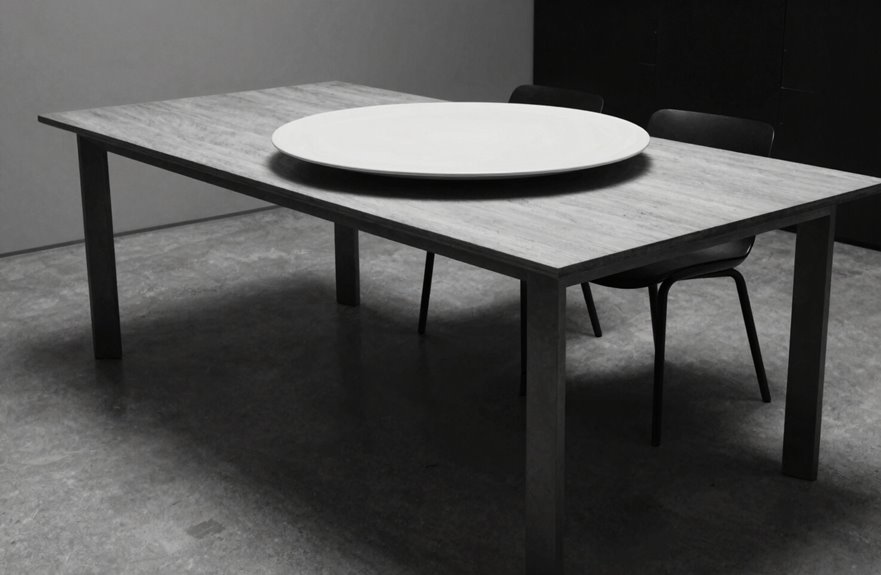
When I’m hosting more than six, or when the room itself demands some backbone, I reach for a rectangular table. There’s something reassuring about that grounded, linear silhouette. It belongs exactly where it sits. Rectangular tables give me the scale I need for elaborate spreads, and they deliver that anchored presence I crave in open-plan spaces or formal dining rooms.
There’s something reassuring about that grounded, linear silhouette. It belongs exactly where it sits.
Why rectangular tables work:
- They seat eight, ten, even twelve without crowding anyone’s elbow
- Benches slide in neatly, armchairs anchor the ends, extensions save Thanksgiving
- They play beautifully with long runners, linear pendants, and symmetry
- Mixed materials, such as stone tops and blackened steel legs, feel current
- They command the room quietly and without unnecessary fanfare

Extra Spacious & Widened Size. 78.74"L × 35.43"W oversized design, 10cm wider than regular tables, comfortably seats 8-10 people. Ample desktop space for tableware, no crowded elbows, ideal for family dinners and guest parties

Rustic Farmhouse Dining Table: Extendable from 70.9" to 86.6" to comfortably seat 8-10 guests. The dark wood dining table combines rustic brown charm with sturdy black legs for a timeless farmhouse aesthetic.

Easy to Assembly & 24/7 Customer Support: It is very easy to assemble according to the instructions with all tools included. If you encounter any issues, please visit our website christopherknighthomes.com or feel free to reach out to us at [email protected]
Match Your Space and Hosting Style to the Right Shape
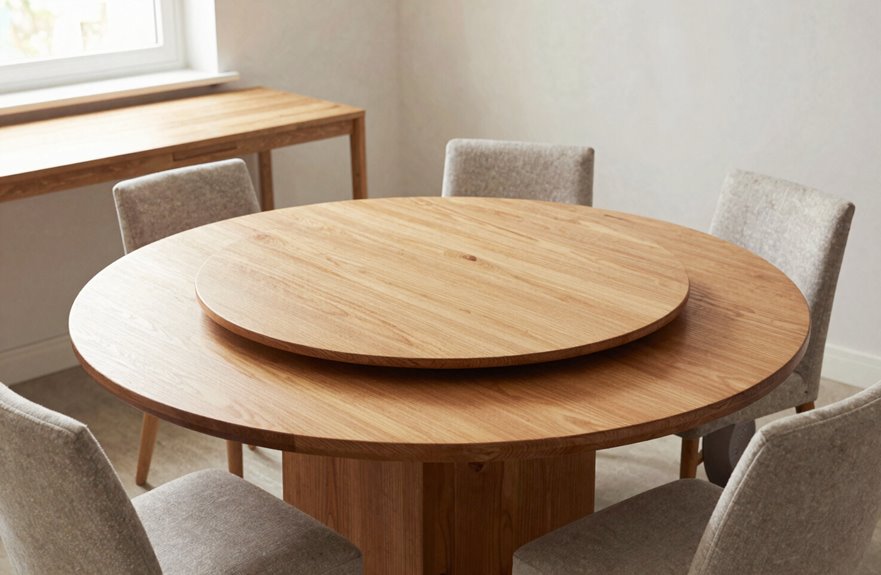
Though I’ve spent years rearranging furniture and second-guessing every choice, I’ve learned this much: the right table shape isn’t about trends. It’s about how you actually live in your space.
I’ve watched cramped apartments transform with a round dining table. The curved edges invite movement, softer sightlines, and easy conversation across four chairs. In open concepts, roundness zones without walls.
Your hosting style shifts the math. Casual weeknights with wine and two friends? Round works. Thanksgiving that morphs into twelve? Rectangle, no contest. It extends, anchors, and directs the room’s energy.
Measure your traffic patterns first. Watch where feet instinctively flow. Then match that movement to your people. Furniture that fits your rhythm creates belonging without forcing it.
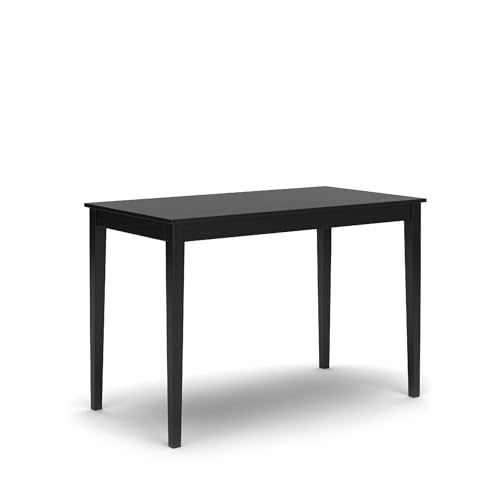
CONTEMPORARY DINING TABLE: Dark, sleek and totally handsome. It's simply a treat for the eyes. This dining room table is a sophisticated addition for your personal at-home bistro

Designed to withstand everyday wear, this 4' 1 x 6' 1 area rug is the perfect size for living rooms, dining rooms, or anywhere you want to add a touch of vintage charm.

Designed to withstand everyday wear, this 10' x 13' area rug is the perfect size for patios, porches, decks or anywhere you want to bring a little more style to your outdoor space.
Materials and Finishes That Elevate Round or Rectangular Tables
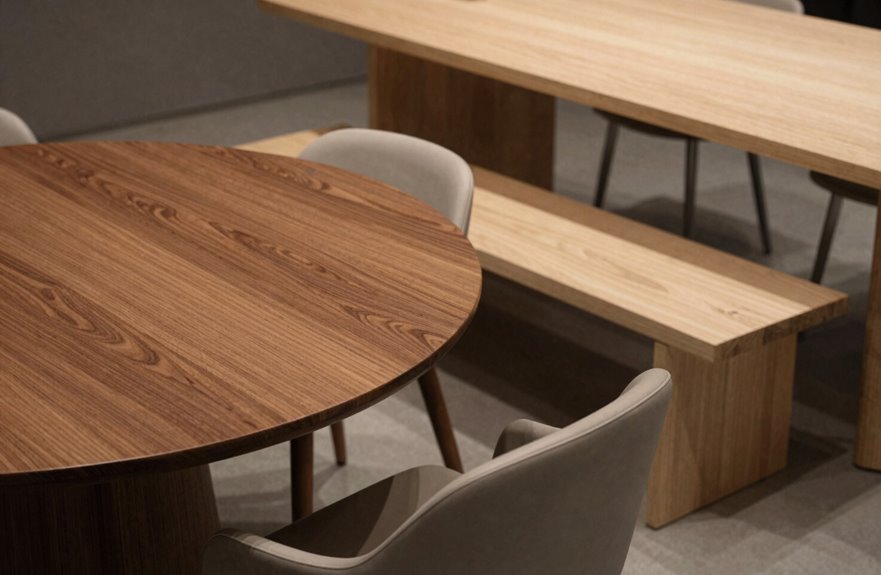
How do you make a table feel less like furniture and more like a statement? The answer lies in the materials and finishes you choose.
Round tables invite you to think sculpturally. Pedestal bases in stone create monolithic presence, while burl and lacquer finishes soften the surface with warmth. Marble and travertine on round designs convey quiet luxury without excess.
Rectangular tables demand a different approach. Their bold architectural lines, rugged metal accents, and mixed materials create depth and shadow that command space.
Whatever shape anchors your gatherings, your finishes signal belonging. They communicate intentionality.
- Stone pedestals for sculptural weight
- Burl wood for organic warmth
- Travertine surfaces under candlelight
- Metal accents on elongated silhouettes
- Lacquer finishes that catch morning coffee light

EXTENDABLE DINING SURFACE: The tabletop expands from 39.37 to 70.87 inches, transforming from a compact round table into a spacious oval dining surface for everyday meals, family dinners, and gatherings.


【Durable Solid Acacia Wood Large Dining Table】Crafted from premium acacia wood in a warm natural finish, this outdoor dining table offers exceptional weather resistance and long-lasting durability. The rich wood grain adds timeless elegance to any patio, deck, or garden setting