A clean room takes ten to fifteen minutes of actual work when you break it into small tasks, but most people stall before they start because the whole mess looks impossible.
The moment you commit to just one drawer or set a timer for ten minutes, the psychological freeze breaks.
Research from 2015 found that finishing even a tiny task is rewarding enough to pull you forward, which is why tackling one surface often leads to momentum you didn’t expect.
1. Break Cleaning Into Small Tasks or Goals
Breaking a messy room into smaller pieces stops the mental freeze before you start.
A 2015 study found that finishing even a tiny task is psychologically rewarding, which is why tackling one drawer or one countertop often leads to momentum you didn’t expect.
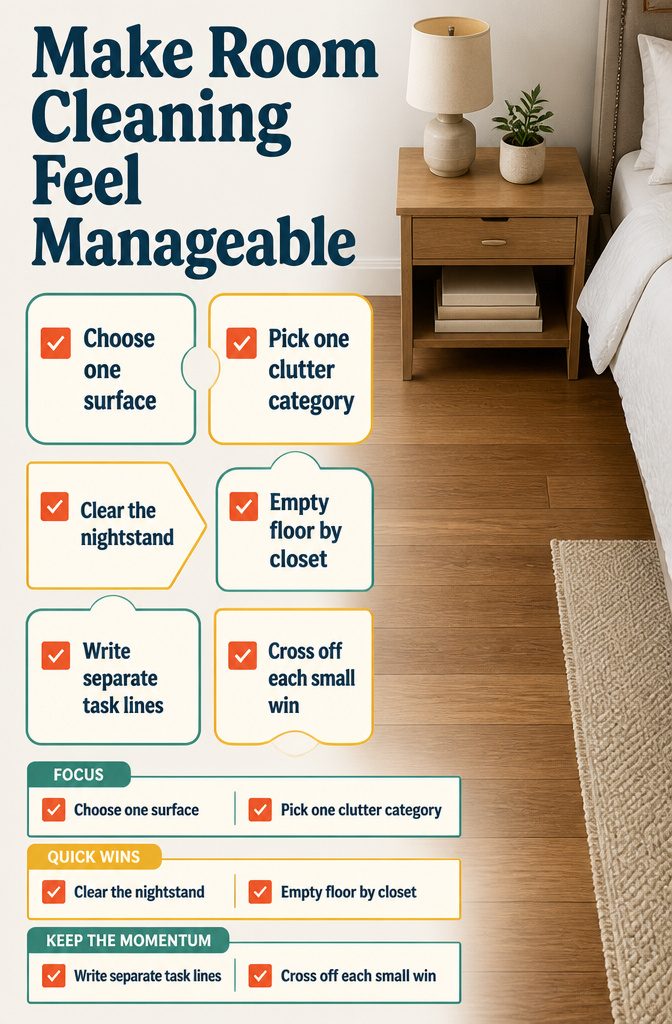
Instead of staring at the whole disaster and feeling stuck, I pick one surface or one category of clutter and commit to that alone.
You see the difference within minutes. Once a single nightstand is clear or the floor by the closet is empty, you can see what the rest of the room might feel like, and that visualization usually pulls you forward.
The method also works with a to-do list: research shows that crossing off even a small item gives you a hit of dopamine, so writing "vacuum bedroom" and "clean sink" as separate line items keeps the reward cycle running.
That beats spending three hours every Saturday catching up on everything at once.
2. Use a Timer or Short Work Interval
Use a Timer or Short Work Interval
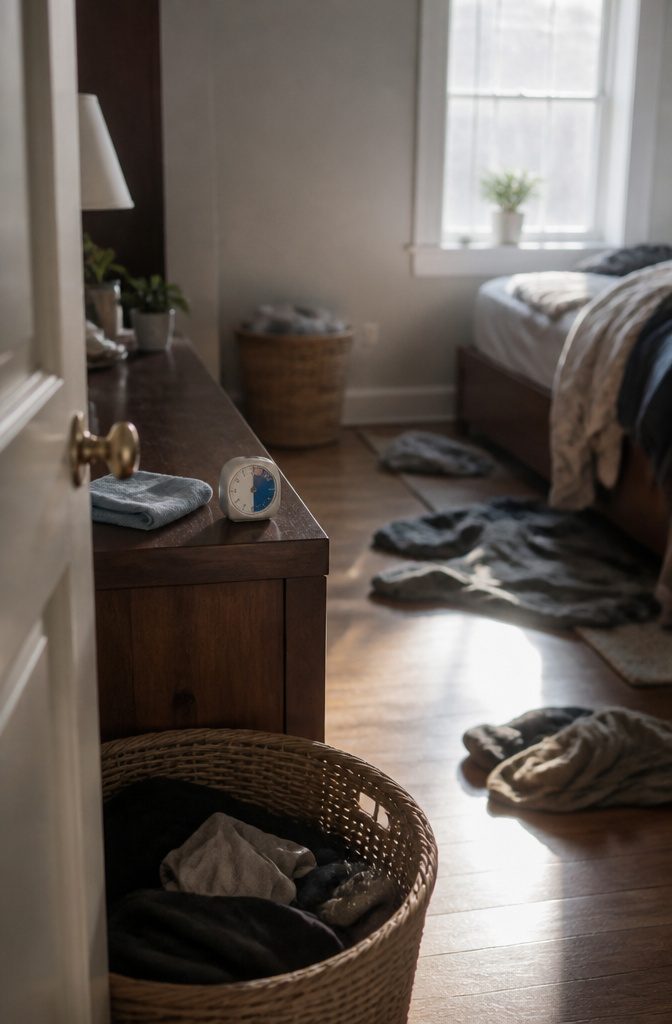
Committing to just ten or fifteen minutes makes starting less overwhelming. Set an alarm on your phone, tell yourself you can stop when it rings, and see how much ground you cover.
That short window usually gets you far enough in that quitting feels harder than continuing. Users on Reddit describe setting a ten-minute timer, then finding themselves cleaning well past the alarm because the momentum carried them.
The Pomodoro technique uses the same idea at a slightly longer scale: twenty-five minutes of work followed by a five-minute break.
That rhythm keeps you from burning out on a long session, and the built-in pause means you can come back for another round without feeling like the work never ends.
If twenty-five minutes sounds like too much when the mess feels paralyzing, start with ten. You can always add another interval once the first one proves the task was smaller than it looked from across the room.
3. Make Cleaning a Routine or Habit
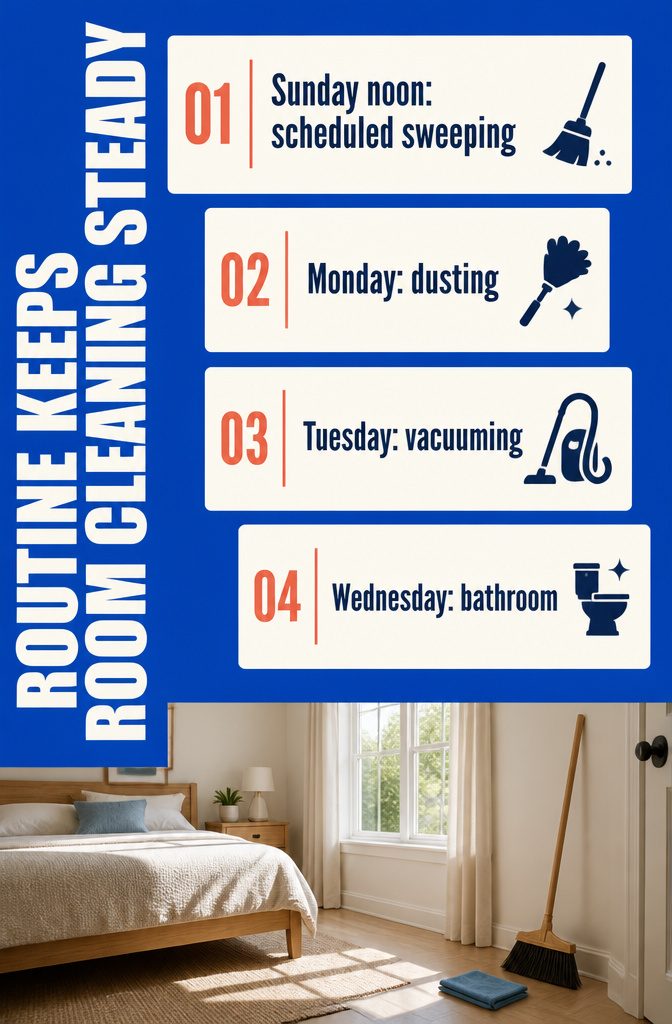
I schedule specific slots for recurring tasks now, because relying on motivation means the room stays messy until I feel like cleaning it. Setting "noon on Sunday, I will sweep" removes the decision fatigue that kills follow-through mid-week.
Research shows willpower is finite, so if you already ran, paid bills, and ate the salad, discipline runs out by evening. Turning tasks into habits sidesteps that drain entirely.
I assign one bigger task per weekday instead of blocking three hours every Saturday.
Monday dusting, Tuesday vacuuming, Wednesday bathroom. The room stays cleaner because the work never piles up, and I never face a full afternoon of scrubbing when I’d rather be doing anything else.
Small daily loops beat weekend marathons for keeping the space livable without constantly summoning the energy to start.
4. Prepare Supplies and Reduce Barriers
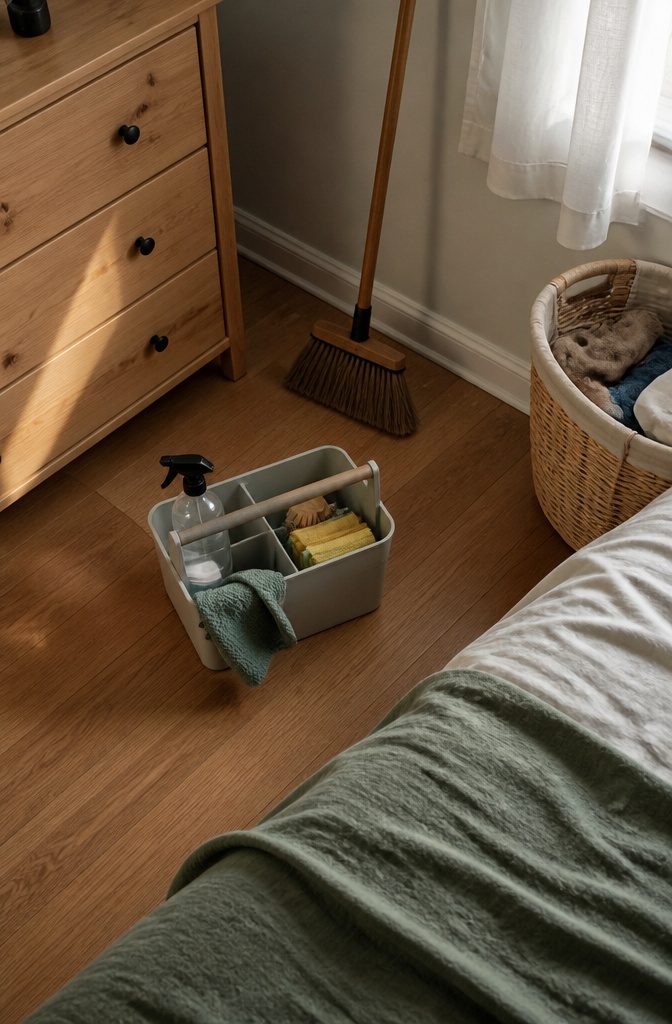
I keep a caddy of cleaning supplies in the room itself, not in a hall closet two doors away. The shorter the trip between deciding to clean and holding the tools, the more often I actually start.
When the broom leans against the wall by my bed and the surface spray sits on the dresser, I skip the step where I talk myself out of it on the way to fetch them.
Psychologist BJ Fogg pointed out in 2012 that motivation comes and goes, so the move is to use the high-motivation days to remove friction for the low ones.
That means unpacking the supplies when you buy them, putting them where you will use them, and never storing the vacuum three rooms away.
A Saturday when you feel like organizing is the day to set up for the Tuesday when you do not.
5. Use a List or Tracker
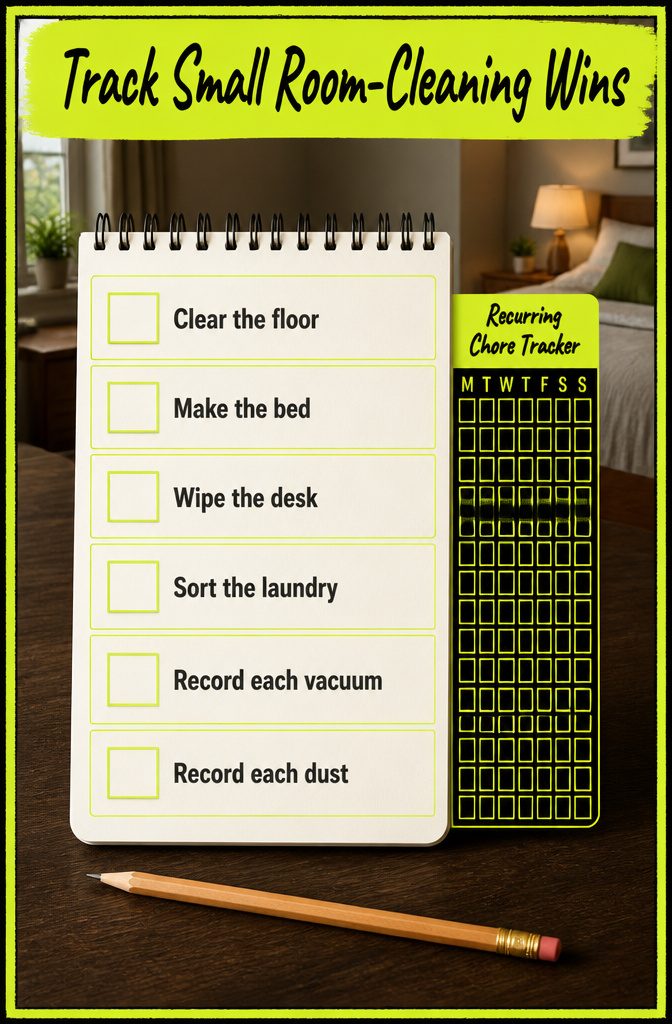
A written list turns an overwhelming pile of mess into named tasks you can cross off. Each line you check gives your brain a small win, and that visible progress makes the next task feel easier to start.
I use a simple notepad or a notes app and write down the obvious jobs: clear the floor, make the bed, wipe the desk, sort the laundry.
The act of checking a box releases a tiny hit of dopamine, which is why people who struggle with motivation often find lists more effective than just wandering around the room hoping something clicks.
A tracker works the same way for recurring chores. If you write down every time you vacuum or dust, the pattern becomes visible instead of vague.
You stop asking yourself when you last cleaned and start seeing it on paper. That record also stops guilt from piling up, because you can see the work you actually did instead of only noticing what is still undone.
6. Invite Someone Over or Use Imagined Judgment
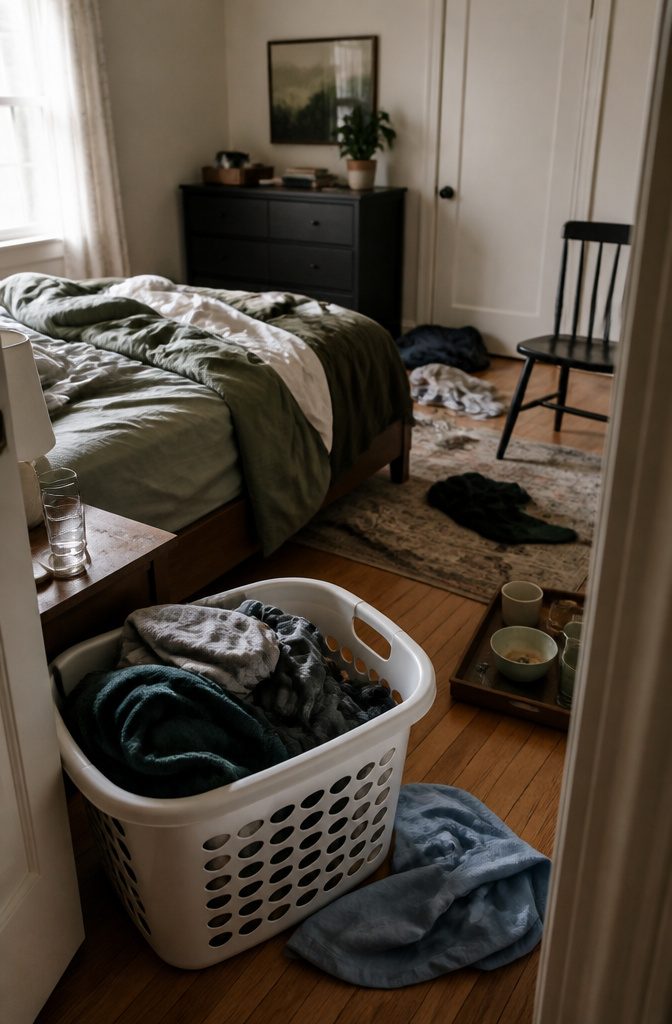
Imagined judgment works because it creates a deadline with consequences.
Pretend someone is arriving in two hours and clean the way you would if that were real. The pressure of being seen by another person can push you past the usual reluctance, even when no one is actually coming.
One writer suggests this method as an alternative to "stash and dash," the five-minute scramble where dirty dishes go in the bathtub and credit card statements land in a box under the bed.
The two-hour version gives you enough time to clean properly instead of just hiding the mess.
The simpler version is to actually invite someone over. Reddit users call this the most effective motivator they have, and several mention it’s the only reason they clean now.
Even one person is enough, especially if you imagine them noticing the state of the room. The discomfort of being judged by someone else can outweigh the discomfort of cleaning, which makes the decision easier to start.
7. Clean Alongside Other People or Ask for Help
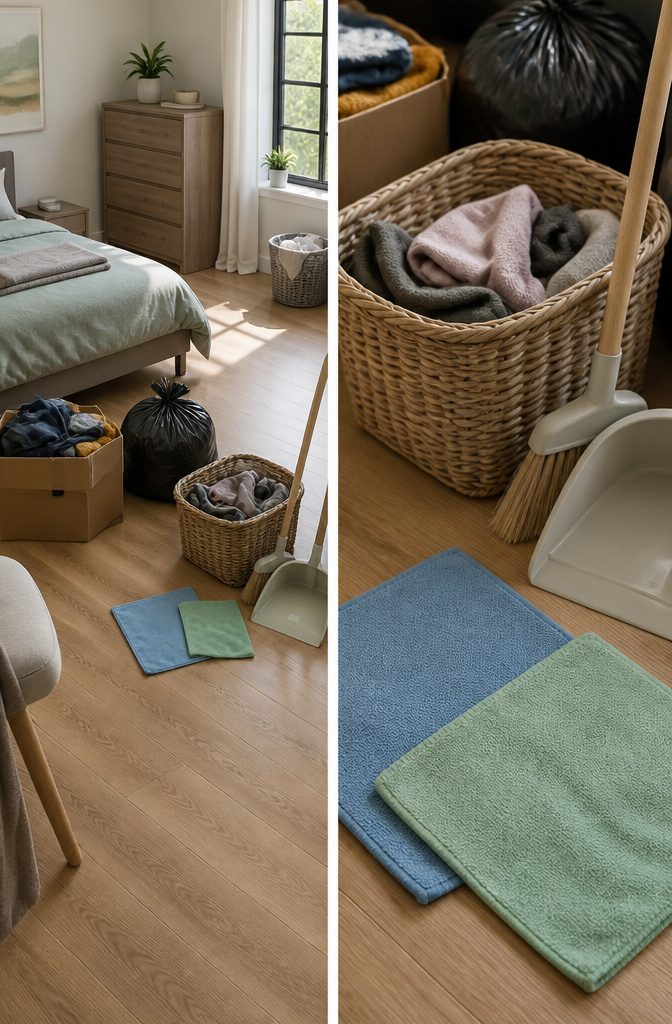
Accountability changes the job. When you clean alongside a roommate or friend, you stop mid-motion less often because someone else is moving through the space, and that momentum carries you farther than you would go alone.
When four people each clean for ten minutes, the room gets forty minutes of work—a dent you wouldn’t make by yourself in the same span. The presence doesn’t have to be physical.
I’ve heard people prop a laptop on a dresser and video-call a friend who cleans their own apartment at the same time, and the shared commitment keeps both of them from drifting off to scroll instead.
Asking for help works differently but solves the same paralysis.
Another person can sort while you bag trash, or hold the donation box steady while you fill it. Shared work cuts the decision load in half, and decisions are often what stall progress more than the physical effort.
8. Use a Clean With Me Video or Pretend to Film
Watching someone else clean on screen can pull you out of a stall faster than most pep talks.
"Clean with me" videos on YouTube show a person moving through a real mess in real time, and something about the visible progress makes starting your own room feel less abstract.
Watch one video and then turn it off. An hour of watching other people organize defeats the point.
If you would rather skip the screen time, pretend you are filming.
Narrate what you are doing as though an audience is tuned in, even without a camera running. The imagined scrutiny changes how you move through the room.
You take more care with each task, you stay in the space instead of drifting off mid-fold, and oddly enough, you clean things you might otherwise ignore. It feels ridiculous until it works.
9. Make Cleaning Feel More Entertaining
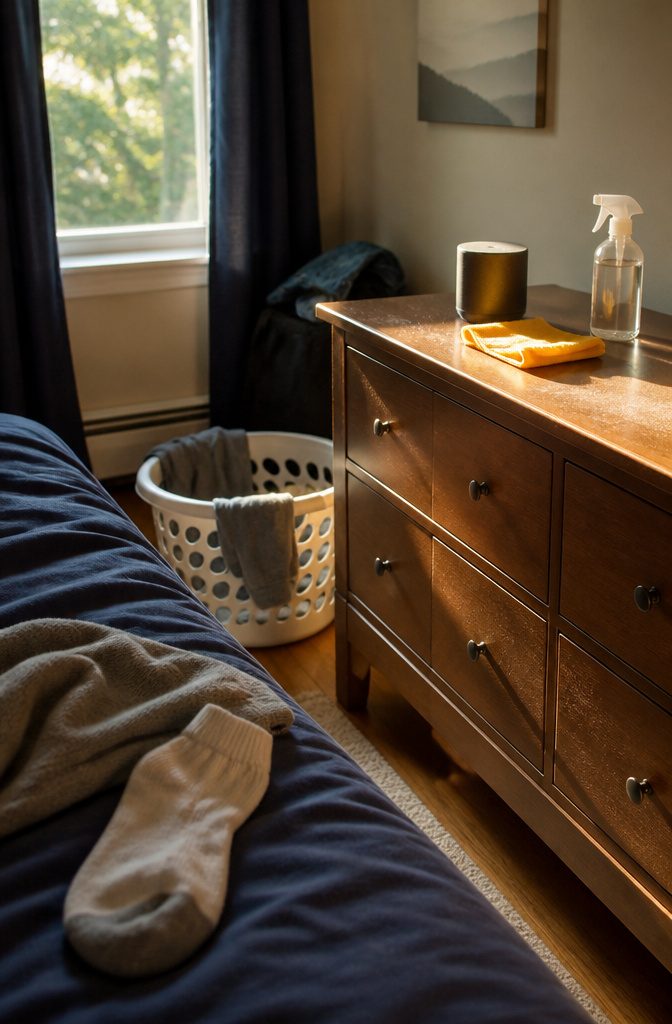
Playing something in the background changes the mental quality of cleaning from a chore you’re doing alone to something closer to company.
Music is the obvious choice, and upbeat tracks keep energy higher than silence or whatever chatter is running in your head.
I’ve found that tempo matters more than genre. A cleaning playlist with a fast, steady beat gives rhythm to repetitive movements and makes it harder to slow down or drift off task.
Podcasts and audiobooks work differently. They don’t push pace the way music does, but they pull attention away from the dullness of the task itself.
An engaging story or conversation makes the time pass faster, and you finish a room before you’ve reached the end of an episode.
If you’re someone who dreads the monotony more than the physical work, an audiobook can turn cleaning into borrowed reading time.
One option that makes sense for this topic specifically is The Life-Changing Magic of Tidying Up by Marie Kondo, which gives you cleaning philosophy while you actually clean.
10. Set a Reward
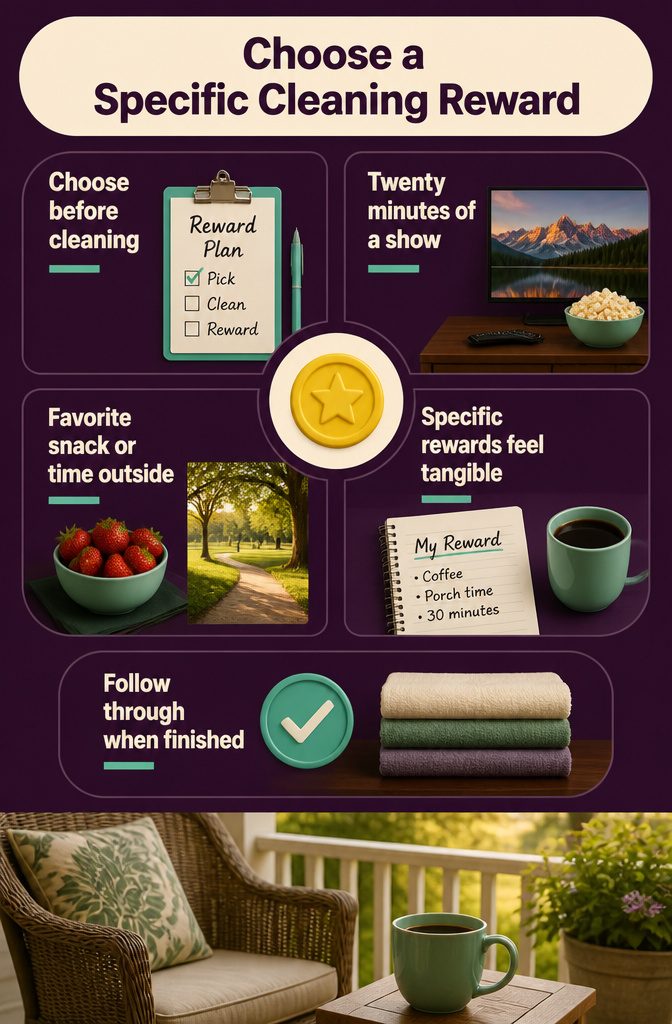
Promising yourself something you want after you finish links the work directly to something good.
The reward can be small: twenty minutes of a show you’ve been saving, a favorite snack, time outside, or permission to skip another chore for the rest of the day.
Pick it before you start and follow through once you’re done.
The anticipation works better than you’d expect. Knowing the end comes with something pleasant makes the middle stretch easier to push through, especially when the room feels overwhelming or when you’d rather be doing anything else.
I find that concrete rewards work better than vague ones. "I’ll relax later" doesn’t pull the same weight as "I’ll make coffee and sit on the porch for half an hour when this is done."
The specificity gives you something to picture while you’re putting books back on the shelf or sorting laundry.
11. Use Visual Progress
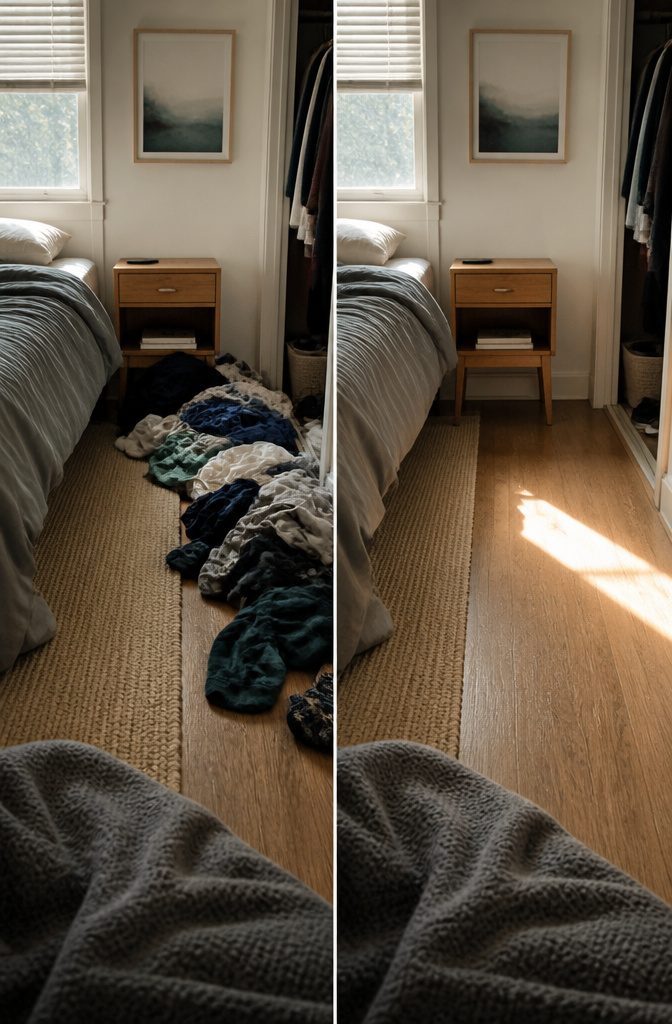
Taking a photo before you begin and another midway through proves that the work is moving.
The difference between a corner buried in clothes and the same corner ten minutes later with bare floor showing acts as evidence that effort produces change.
Progress photographs work because they shift motivation from what still needs doing to what already has been done. The visible proof makes the next step feel more achievable rather than abstract.
Some people prefer the live version, which is cleaning one small, highly visible area first and leaving it finished while the rest of the room waits.
A cleared nightstand or a made bed becomes the anchor. The contrast between the finished surface and the clutter around it creates a pull to match the rest of the room to the clean spot.
That finished area acts as a reminder that the outcome is possible, and it often shortens the resistance to starting the next task.
12. Make Cleaning Feel More Appealing
Make Cleaning Feel More Appealing
A new cleaning product or a shift in how the room is set up can make the work feel less like a chore.
I find that treating a clean space as something you’re doing for yourself, not just completing a task, changes the whole frame.
When your surroundings are tidy, your mind settles. Clutter genuinely affects mood, and once the floor is clear and the bed is made, you feel ownership over the space in a way that makes coming home more pleasant.
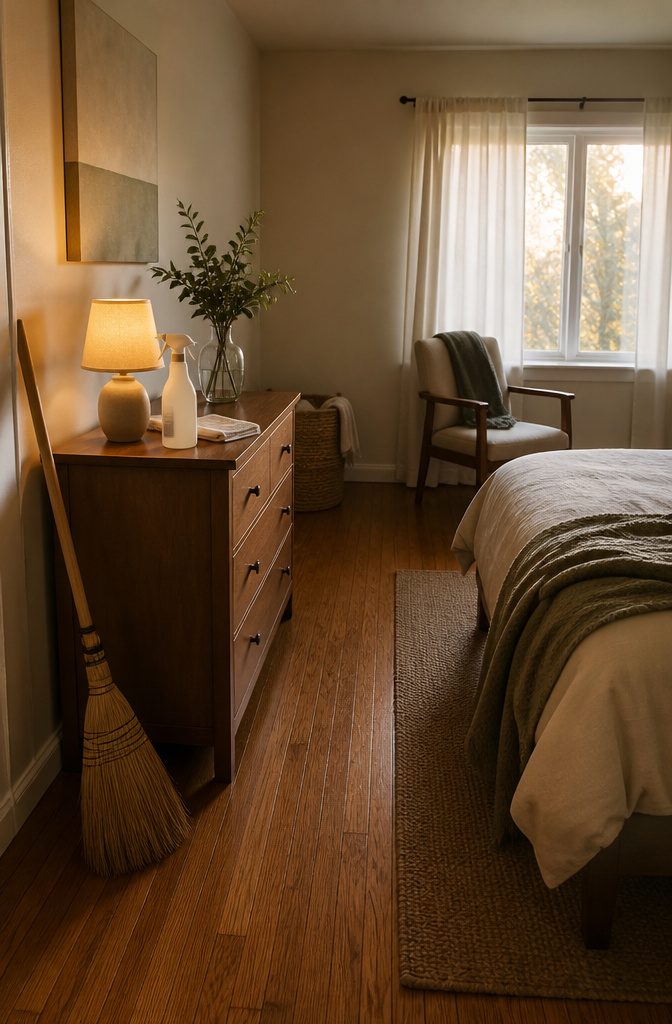
One strategy that works is to buy supplies when you actually feel like cleaning, then leave them where you’ll see them when motivation is low.
Unpack the broom, put it right by the bed, and you’ve knocked down the first barrier.
A quick shift in scent or lighting can also spark interest. If the room feels different, cleaning it feels less automatic.
13. Start With Trash or Decluttering
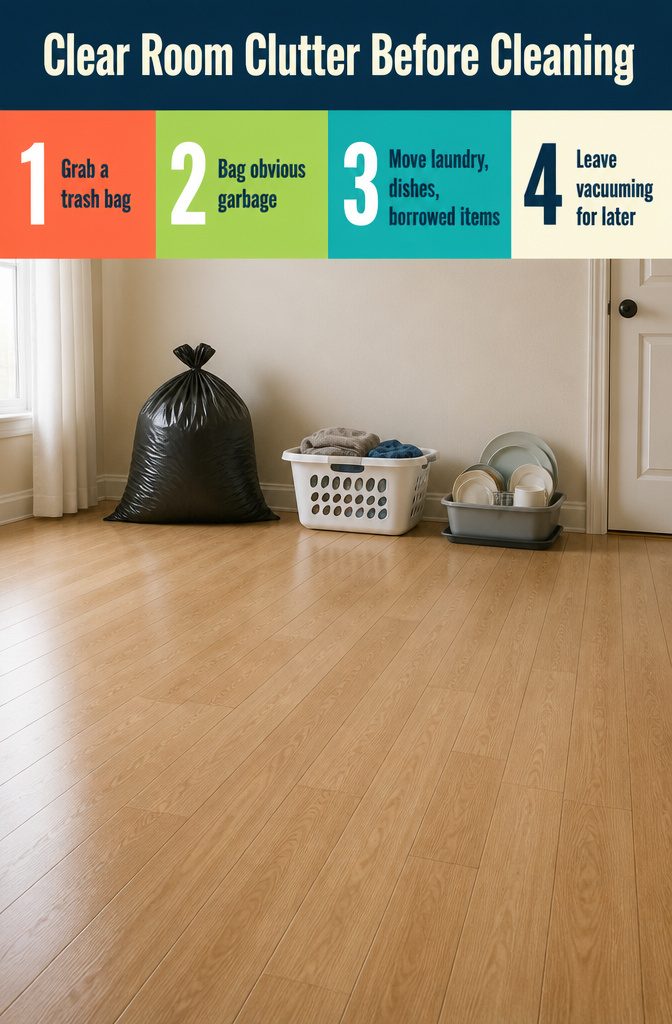
Removing trash and clutter first makes the rest of the job feel achievable instead of impossible. When a room is piled with items you don’t want, every surface looks like a problem, and it’s hard to know where to start.
I grab a trash bag, set a goal to fill it with actual garbage, and watch the space open up.
Wrappers, receipts, packaging, broken items, and anything obviously past its use goes straight in. That usually takes five minutes, and the difference is immediate.
Once trash is out, I turn to things I’m keeping but don’t need in this room.
Clothes that belong in the laundry, dishes that go back to the kitchen, and items borrowed from other people all get moved to where they actually live.
Clearing these categories does more than cleaning does at this stage, because it gives you back floor space and flat surfaces you can work with.
The vacuum and the organizing come later. Right now the win is visibility.
14. Find a Personal Reason to Clean
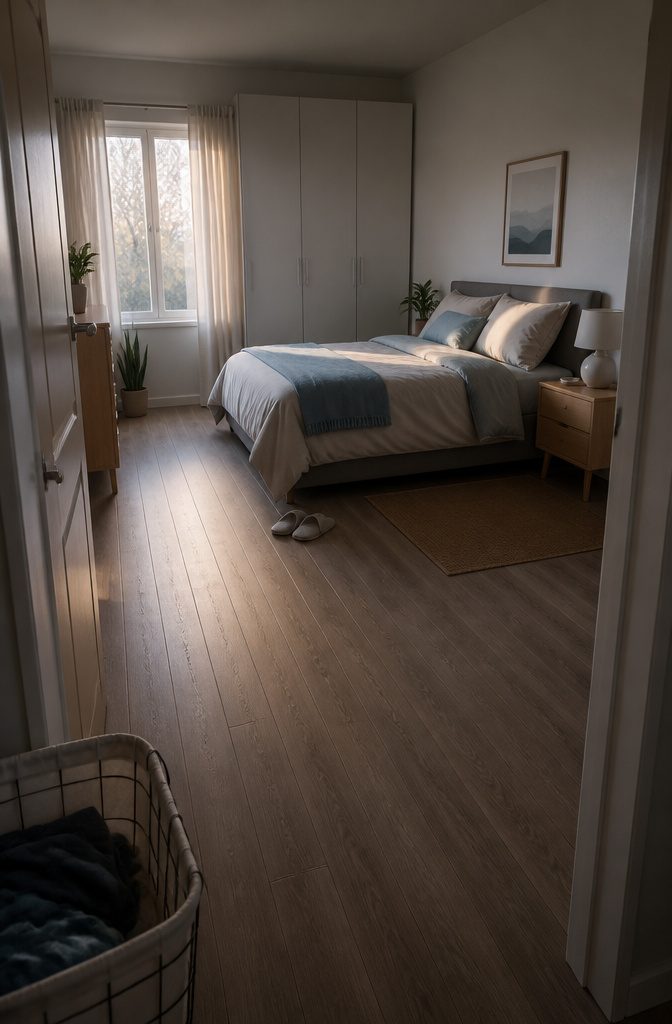
Cleaning starts to feel less pointless when you connect it to something you care about beyond the task itself.
A tidy room affects how calm you feel when you walk in, how much easier it is to find what you need in the morning, and whether you feel like inviting a friend over.
Those outcomes matter more than the dirt itself.
The work also builds something less obvious.
When you make a dirty floor clean, you practice patience and responsibility in a way that carries over. The fact that it gets messy again doesn’t erase the value; it creates another chance to bring order back.
If you stop thinking of cleaning as maintenance that never ends and start seeing it as care for yourself and the people you live with, the task takes on weight it didn’t have before.
You’re not just moving dust. You’re setting up a space where you can rest without visual noise pulling at your attention.
15. Give Yourself Permission to Pause or Outsource
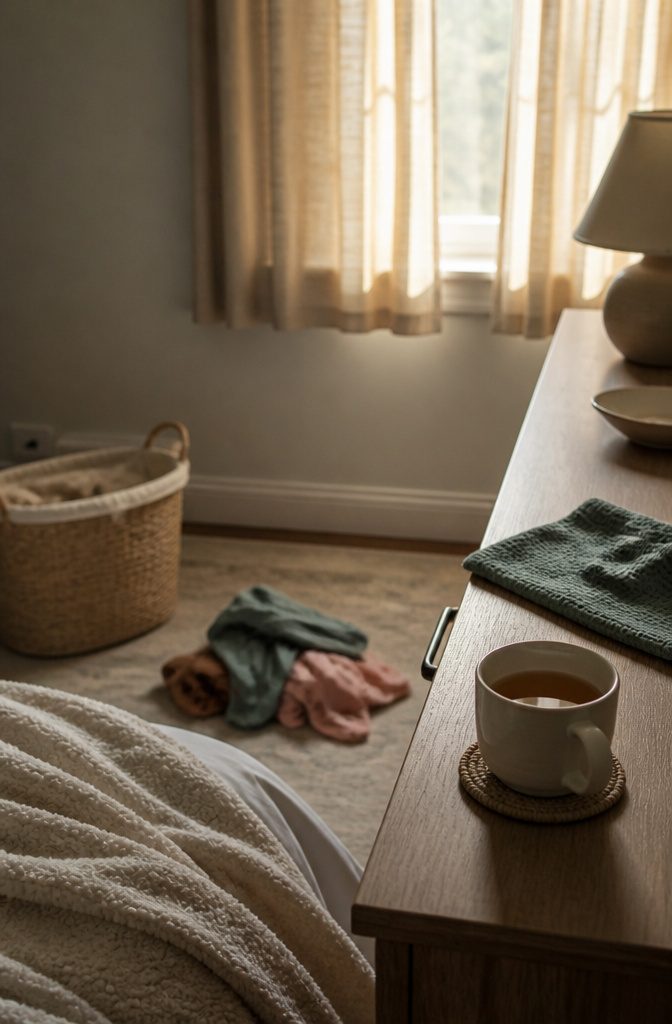
There will be times when cleaning feels impossible, and that is not a character flaw.
I’ve watched people shame themselves for leaving dishes in the sink or clothes on the floor when what they actually needed was rest or a break from the pressure.
If cleaning feels like too much right now, you can wait until you feel more capable.
That time will come. Pushing through when you’re already overwhelmed often makes the task harder, not easier.
Hiring help is also an option, and it does not mean you failed. Former Business Insider editor Jenna Goudreau wrote about paying $80 a month for a housekeeper:
it may have been the best money she’d ever spent.
If you know you will never choose cleaning over working or socializing, outsourcing may be the most honest solution. Try it once and see how it feels.
Why a Clean Room Feels Worth the Work
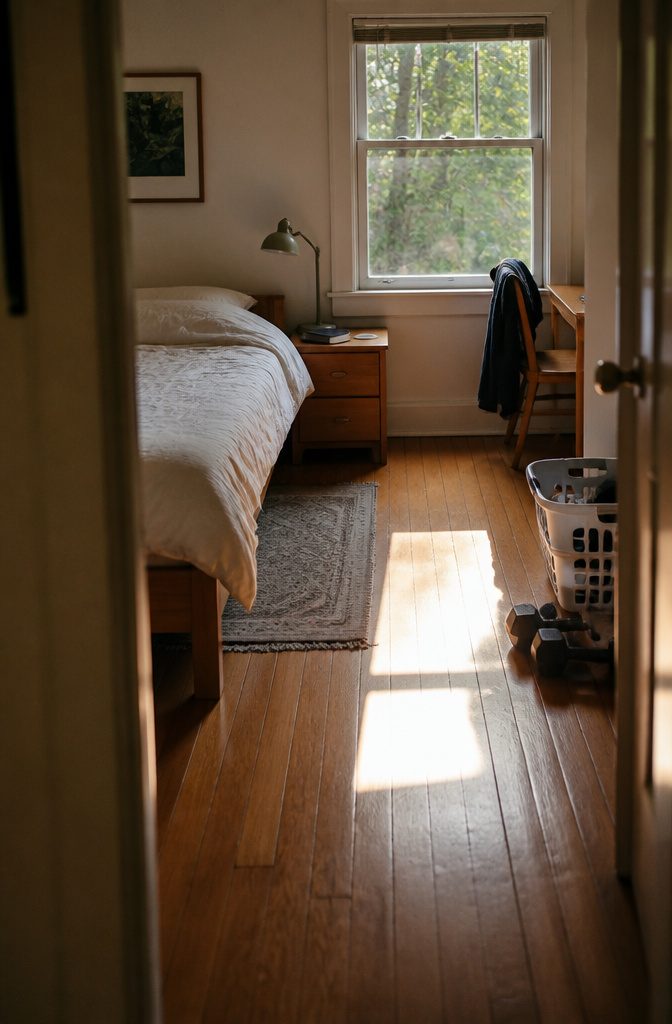
A tidy room is more comfortable to come home to, easier to navigate without stepping over laundry, and calmer to wake up in when surfaces are clear.
Those gains are real, but you’re after a space that works for daily life, not a bedroom kept in permanent display condition.
Tools get dirty when you use them. A home cared for will not be immaculate, and expecting that sets you up to feel defeated every time you walk in.
What I find more useful is aiming for a room that sits 15 to 30 minutes away from being presentable.
That threshold means you can handle an unexpected guest or a surprise video call without panic, but you are not spending every evening maintaining magazine-level order. The finish line is not perfection.
It is a space that works when you need it to, and a moment after the job is done where you stop, look around, and notice the progress before the next round of mess starts.
When Low Motivation May Be Depression
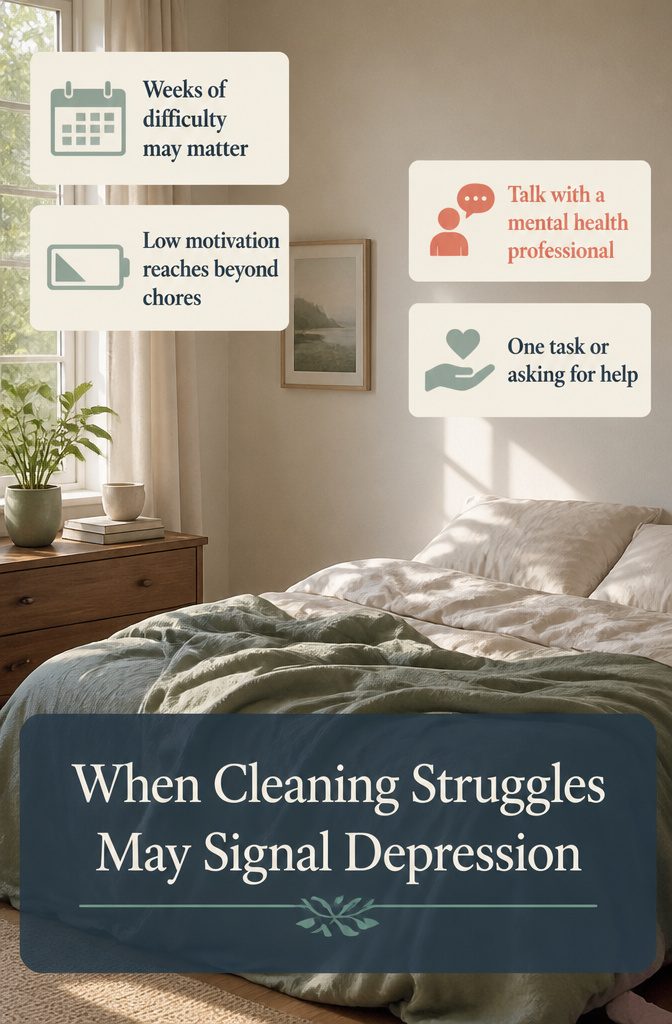
If cleaning has felt impossible for weeks and the mess itself starts to add guilt on top of the fatigue, you may be dealing with depression rather than ordinary reluctance.
Depression drains motivation across the board, not just for housework, and when getting out of bed or through a shower already takes everything you have, a cluttered room becomes one more thing you cannot face.
The cycle worsens because a disorganized space feeds back into low mood, but breaking it by force rarely works.
When motivation disappears beyond cleaning and reaches other parts of life, that warrants talking to a mental health professional.
In the meantime, avoid shaming yourself for what is not getting done. I focus on one task at a time instead of facing the whole room, and I ask for help when I need it.
Depression does not make you lazy; it makes ordinary tasks feel near-impossible, and treating it that way changes how you approach both the mess and what sits underneath it.
Frequently Asked Questions
How do I get motivated to clean?
Start with one small task like clearing a single surface or setting a 10-minute timer. Finishing even a tiny job releases dopamine and often builds momentum that carries you through the rest of the room.
You can also play music, call a friend to clean alongside you, or promise yourself a specific reward when you finish.
Why do I not have the motivation to clean my room?
Motivation fluctuates naturally, and willpower runs out after you’ve already handled other decisions during the day.
A messy room can also feel overwhelming when you see it as one giant task instead of smaller jobs. If low motivation lasts for weeks and affects other parts of life, it may signal depression rather than ordinary reluctance.
What is the 20 minute rule in cleaning?
The 20-minute rule refers to working in short intervals followed by a break, similar to the Pomodoro technique that uses 25 minutes of work and 5 minutes of rest.
These timed bursts prevent burnout during longer cleaning sessions and make it easier to start when the mess feels paralyzing.