I’ve helped friends decode their Pinterest boards enough to know most of us want something between stark minimalism and cluttered farmhouse. I landed on six styles that actually work for real life.
Modern Minimalist keeps things calm with clean lines and whites layered through texture. Transitional bridges traditional warmth and contemporary ease with walnut against steel. Japandi blends Japanese simplicity with Scandinavian coziness through low furniture and paper lanterns. Organic Modern celebrates raw materials, think live-edge tables and untouched linens. Modern Farmhouse mixes weathered wood with clean-lined sofas and matte black fixtures. Hollywood Glam goes bold with jewel tones, chandeliers, and lacquered surfaces that still feel grounded.
Each one offers a roadmap to spaces that feel collected, not decorated. The specifics on how to actually pull them off vary by style, but the common thread is intentional design choices that reflect your daily life rather than a showroom aesthetic.
Modern Minimalist Style: Clean Lines, Quiet Spaces
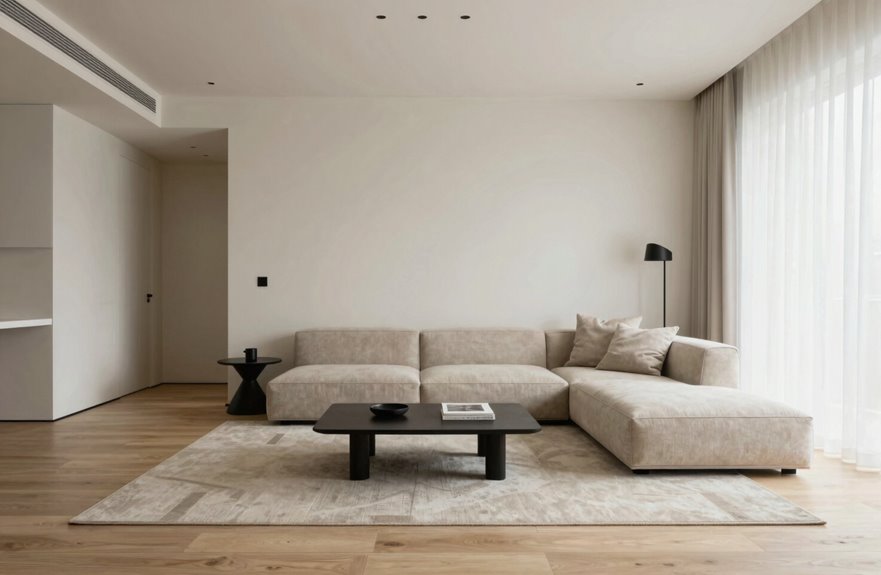
Where do I even begin with modern minimalist style? It’s less about deprivation and more about intention. Creating quiet spaces where every piece earns its keep requires deliberate choices.
Modern minimalist style: less about deprivation, more about intention. Every piece must earn its keep through deliberate, considered choices.
I start with a neutral color palette, layering whites, grays, and warm taupes through textures rather than patterns. Clean lines dominate everything from architecture to accessories, with minimal ornamentation letting the forms speak for themselves.
My functional furniture choices center on low-profile sofas that ground the room and sculptural chairs that double as art. I maximize natural light, bouncing it off glass, metal, and lacquered surfaces to expand the space visually.
The result is a clutter-free sanctuary where empty areas feel as considered as the objects within. It’s calm, curated, and genuinely livable.

【Sculptural Curved Block Silhouette, Timeless Neutral Aesthetic】This curved sofa brings a sculptural block form with soft armrests and split cushions, offering a calm, minimalist look. The warm cream boucle fabric adds gentle texture, making this living room couch a perfect fit for modern, wabi-sabi, or farmhouse interiors

No Assembly & 24/7 Customer Support: This chair requires absolutely no tools or setup, giving you instant comfort without hassle. The compressed-foam design naturally takes shape within hours. If there is any problem, please visit our website christopherknighthomes.com or contact us via this email: [email protected]

Modern Style Sofa - This living room sofa will provide a fresh and inviting look to your space and will be the center of attention thanks to its sleek design, minimalist silhouette, pleasing color, and plush seating.
Transitional Style: Balancing Traditional Warmth With Modern Ease
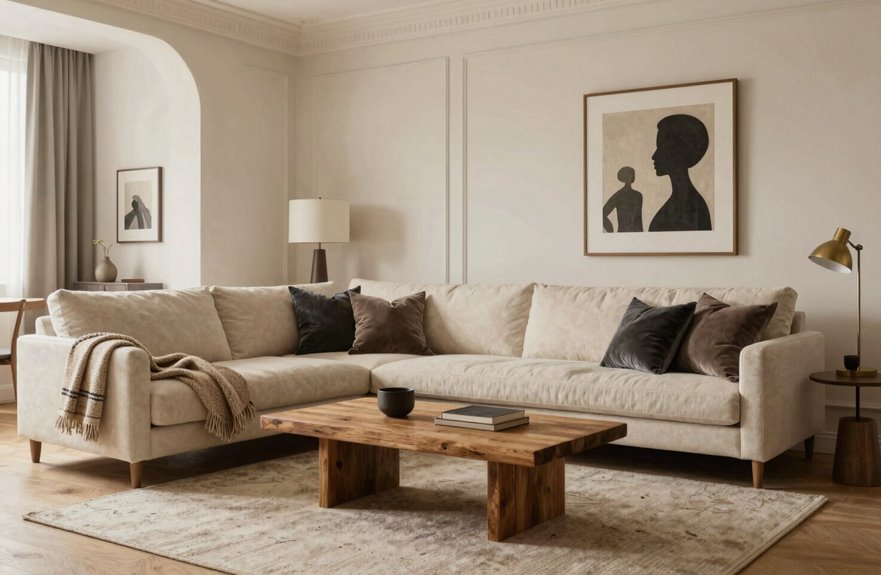
I think of transitional style as the art of refusal: saying no to both stuffy formality and stark emptiness, and landing somewhere that actually feels livable. When I helped a friend merge her grandmother’s wingback chairs with a sleek arc lamp and linen sectional, we weren’t decorating so much as negotiating a peace treaty between eras. The trick isn’t layering for its own sake; it’s knowing when to stop. Pair that ornate mirror with one clean-lined console, not three, so the room breathes without going cold.

Multi Control Via Remote and App and Foot Switch: Eyassi arc floor lamp keeps your convenience in mind, dual control via foot switch and remote, you can easily adjust brightness, change color temperatures, set timing modes, and memory function by the remote buttons (Remote Distance: Max 65ft, 2 AAA Batteries Are not Included). Or you can connect this standing lamp with the “Smart Home Light” App and control the tall lamp with your phone

Convenient Foot Dimmer: This arched floor lamp is controlled by a pedal dimmer switch on the power cord, offering 0-100% brightness to meet your daily lighting needs. No need to bend down or tiptoe to reach, a easy push with feet will enable you to cutomize the brightness from dim to bright, great companion for reading, working, leisure and resting.

Stylish & Modern Design: Crafted in an elegant gold arched pole with a simple linen shade, this modern floor lamp can be integrated with various decoration styles perfectly, including antique, contemporary, traditional, farmhouse, etc. Absolutely a wonderful piece for home decoration.
Defining Hybrid Characteristics
How do you blend Grandma’s cherished wingback chair with the sleek lines of your new modular sofa without making your living room feel like a furniture store clearance bin. I start with a neutral palette of soft whites and warm grays, letting both pieces breathe.
Transitional style isn’t about going halfsies between Traditional and Modern Interior Design. It’s deliberate layering. I anchor with wood and metal; a walnut coffee table beside steel side tables. Then I soften everything through textile accents like chunky throws and woven rugs.
The payoff is personalization without chaos. You can swap seasonal pillows without gutting the room. I keep clutter minimal but never sterile. That eclectic blend creates spaces where heirlooms and new finds actually belong together.
Layered Versus Streamlined
Once you’ve got the hang of mixing old and new, the real challenge becomes deciding how much stuff actually belongs in the room. I wrestle with this constantly. Transitional style lets me have it both ways: layered comfort without chaos, streamlined calm without coldness.
I start with a neutral palette, then build warmth through mixed textures and warm textiles. A clutter-free foundation keeps me sane; strategic layering keeps me cozy. I mix materials—wood, metal, soft fabrics—to bridge traditional and modern worlds. The result is a cohesive look that feels collected, not decorated.
Versatile layouts mean my space adapts with me, season to season.
- Walking into a room that finally feels like you
- The comfort of wrapping up in a throw that carries stories and softness
- A home that welcomes others without performative perfection
Japandi Style: Japanese Simplicity Meets Scandinavian Hygge
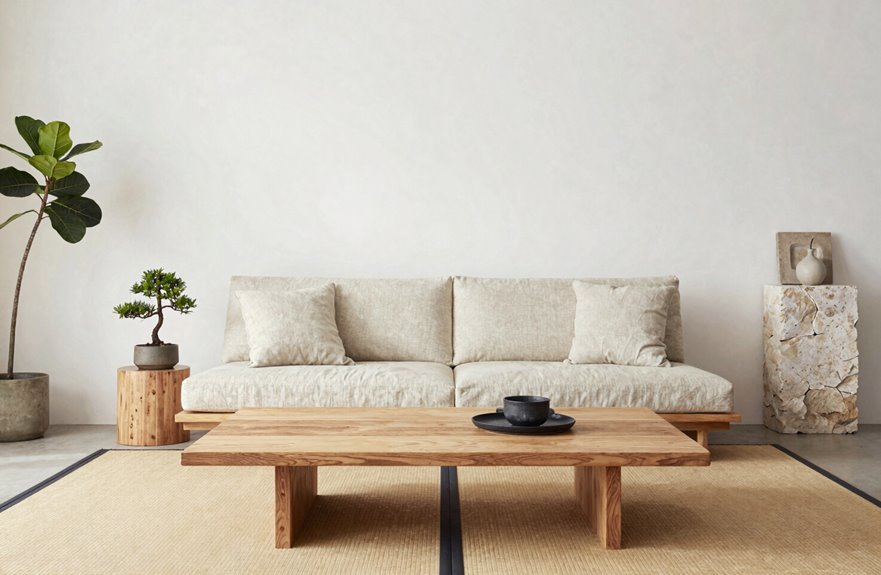
Where do we even begin with a style that somehow makes “less” feel like so much more?
Japandi emerged as a natural choice when balancing my love for Scandinavian minimalist calm with Japanese design’s soulful restraint. This hybrid delivers both: low furniture that encourages you to slow down, natural materials that age beautifully, and uncluttered spaces where every object earns its place.
Start with a neutral color palette. Think warm grays, soft whites, sandy beiges. Add paper lanterns for that gentle glow, and hunt for imperfect ceramics that celebrate wabi-sabi, the beauty of flaws. Swapping my tall bookshelf for a horizontal oak credenza transformed my living room’s entire energy.
The result feels like a deep breath: functional, serene, and quietly welcoming. You’ll want to stay awhile.

VERSATILE DESIGN: This is an off-white paper pendant light kit, not just a lampshade, including the bulb base, cord and canopy; traditional Japanese rice paper pendant light creates a soft, warm ambiance suitable for dining rooms, bedrooms, Kitchen, living spaces and offices

VERSATILE DESIGN: Traditional Japanese rice paper plug-in pendant light creates a soft, warm ambiance suitable for dining rooms, bedrooms, living spaces and offices

VERSATILE DESIGN: Traditional Japanese rice paper plug-in pendant light creates a soft, warm ambiance suitable for dining rooms, bedrooms, living spaces and offices
Organic Modern Style: Raw Materials, Refined Shapes
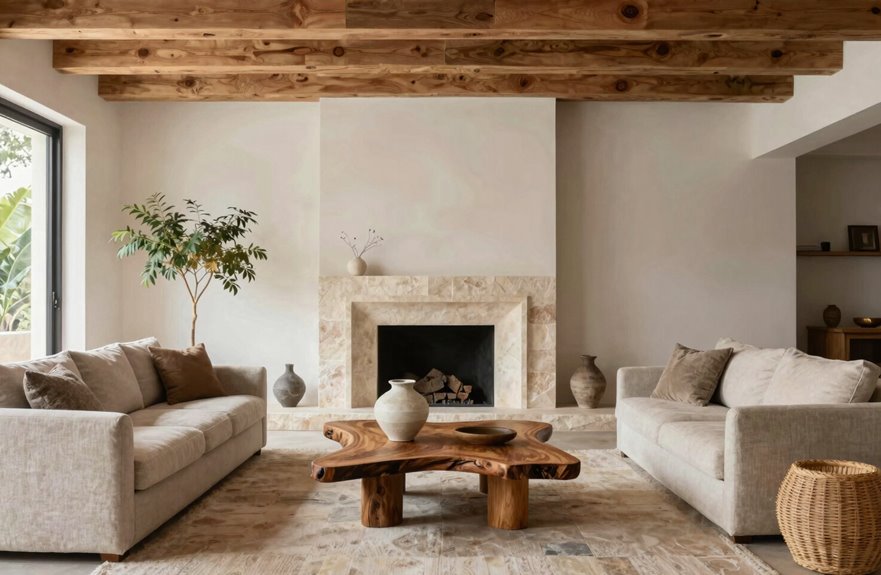
Why settle for sleek perfection when a little raw edge feels so much more alive. I discovered organic modern design when I traded glossy surfaces for raw wood and never looked back. This style wraps you in a neutral palette of warm taupes and soft whites, then layers in natural textures that beg to be touched.
I always start with organic materials. Think linen wool textiles draped over modern silhouettes, stone accents anchoring the room, untreated finishes showing every grain and groove. Tactile surfaces create that lived-in warmth we’re all craving.
- Running your palm across a live-edge table connects you to something real
- Morning light filtering through sheer linen feels like a gentle exhale
- Stone accents ground you when life spins too fast
It’s restraint with soul.

Solid Wood Construction: Crafted from 100% solid wood, this live edge dining table features distinct natural grain and rustic knots. Its unique contours and irregular edges bring out the raw, authentic charm of natural timber

Expertly designed in a mid-century modern aesthetic, this dining table features a solid wood build complemented by a striking live-edge tabletop.

Handcrafted Cedar Root Construction: Each table is handcrafted from carefully selected reclaimed cedar roots by skilled artisans. Rich wood grain, organic textures, and natural variations create a distinctive piece that showcases the beauty of authentic cedar wood.
Modern Farmhouse Style: Weathered Textures, Updated Comfort
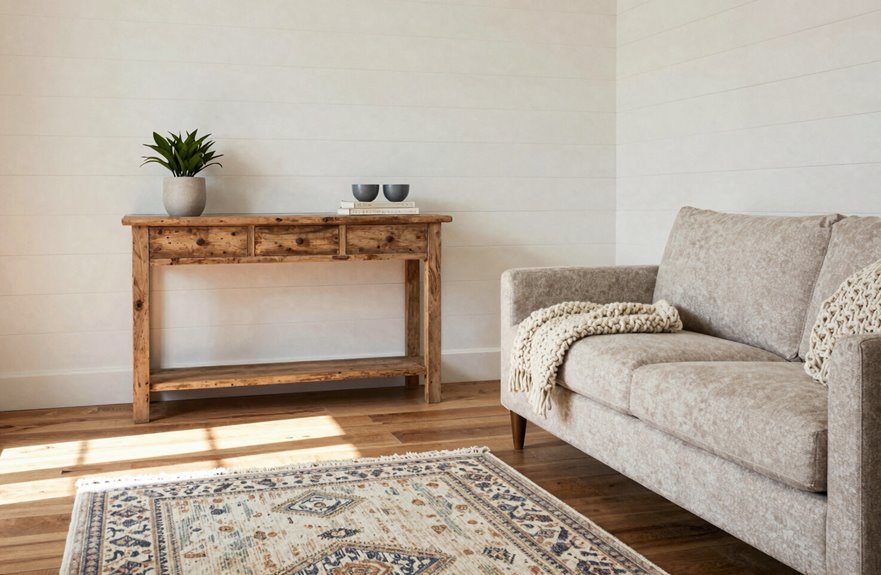
How do you make a space feel like it’s been loved for generations without actually waiting decades? Modern farmhouse style does exactly that.
Start with weathered textures: reclaimed barn wood, distressed finishes, weathered wood beams overhead. These farmhouse elements ground the room in history. Then layer in updated comfort with clean-lined sofas, practical storage, and spaces that actually work for real life.
The magic happens in the mix. Pair rustic warmth with a contemporary edge through mixed metals, such as matte black hardware against brushed brass lighting. Natural materials like linen and stone keep things honest. Anchor everything with white and black contrast; creamy walls, charcoal accents, and perhaps a soft blue create visual depth.
Cozy textiles finish the space: chunky knits and worn leather. The result feels like home immediately, as though you’ve belonged there forever.
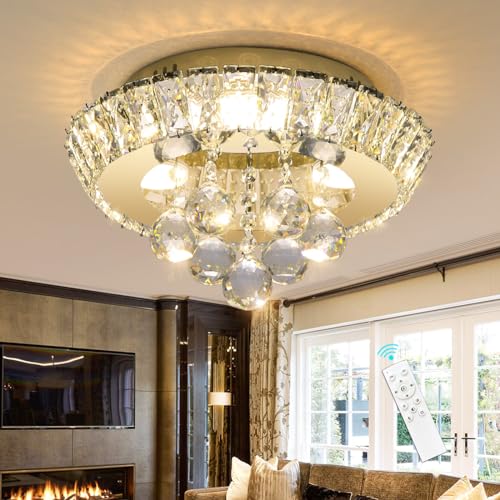
Luxury Elegant Chandelier - W 11.8" x H 7". Weight 11 lbs. 25W LEDs included, about 2000 lumens. K9 crystal and thickened stainless steel

【Design and Style】 Add a touch of glamour and sophistication to any space with this exquisite crystal chandelier. Featuring elegantly curved metal arms with a French gold electroplated finish, the fixture boasts a stylish blend of vintage and modern elements. The chrome candlesticks are adorned with numerous high-transparency crystal pendants, adding to its overall charm and appeal.

Modern LED Hight Ceiling Pendant Light - Crystal ball dia 3 inches, lamp height 13.8 inches, Canopy width 19.7" inches, Adjustable hanging wire min 3.9 inches, max 118 inches, Weight 26.5 lbs
Hollywood Glam Style: Bold Drama for Statement Spaces
Some spaces whisper, but Hollywood Glam shouts in the best way possible. This style merges Art Deco and mid-century modern influences into something that feels both nostalgic and utterly current. When you entertain, guests arrive feeling like they’ve entered somewhere special, and Hollywood Glam delivers that entrance-moment magic.
These elements transform a room into your own statement space:
- Layer jewel-tone textiles against high-gloss finishes so light dances everywhere you look
- Hang chandeliers that command attention without competing with your mirrored furniture
- Balance reflective surfaces with grounded pieces to keep the drama feeling curated, not chaotic
Luxurious design doesn’t require clutter. A few bold choices, such as lacquered credenzas and hot pink accents, create belonging through confidence. Your home becomes the gathering place everyone remembers.

28.8-Inch Deep Seat Sofa: A generous 28.8-inch seat depth gives you plenty of room to sit cross-legged, stretch out or lounge comfortably. This deep seat couch creates a spacious setup for reading, movie nights and everyday relaxation.

【Spacious & Versatile Design: This L-shaped modular sectional sofa features an expansive 122" width, offering flexible and stylish seating perfect for living rooms, bedrooms, or home offices. Its adaptable design creates a cozy yet sophisticated lounging experience.

【Modern Minimalist Design】This coffee table features a sleek, modern minimalist design that complements a wide range of home decor styles. Its simple yet elegant appearance, crafted from premium wood materials, not only elevates the aesthetic appeal of your living room but also offers practical functionality. A perfect addition to any contemporary space.